

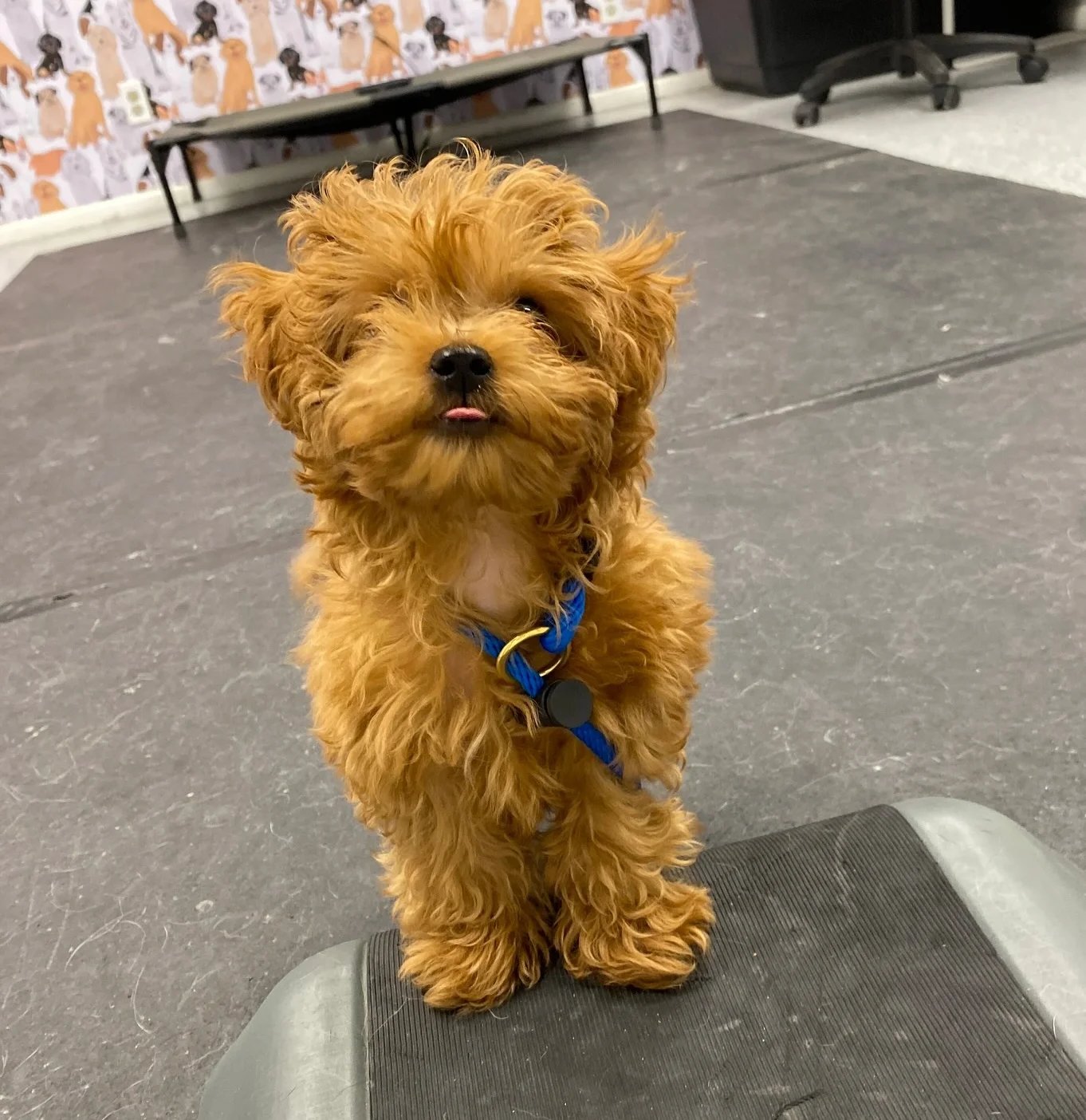
Bringing home a puppy is one of the most exciting experiences for any dog owner. Along with the fun moments come many questions, and one of the most common is when training should begin. Some people assume puppies are too young to learn, while others worry about starting too early. The truth is that puppies begin learning from the moment they enter your home, whether training is intentional or not.
Every interaction helps shape your puppy’s future behavior. Early training teaches good habits before unwanted behaviors become established. By understanding what puppies can learn at each stage of development, owners can set realistic expectations and help their dogs grow into well-mannered, confident companions.
Why Starting Early Makes a Difference
Puppies are constantly absorbing information from their environment. They learn through routines, experiences, and interactions with people. Waiting too long to begin training can allow habits like jumping, chewing, or pulling on the leash to become harder to change later. Early guidance helps puppies understand boundaries and expectations from the beginning.
Starting early does not mean expecting perfect obedience from a young puppy. Instead, it means introducing simple skills and creating positive experiences that encourage learning. Training should be fun, rewarding, and consistent so puppies develop confidence while building trust with their owners.
8 to 10 Weeks: The First Days at Home
Most puppies go to their new homes between eight and ten weeks of age. This period is often their first experience away from their littermates and familiar surroundings. A predictable routine helps puppies feel secure and adjust more quickly to their new environment.
At this stage, focus on simple life skills rather than advanced obedience. Teaching your puppy where to sleep, when to eat, and where to go potty creates structure and reduces confusion. Keeping expectations realistic allows puppies to learn without becoming overwhelmed.
Skills to Teach During the First Few Weeks
The first weeks at home are all about building foundations. Puppies have short attention spans, so training sessions should remain brief and positive. Using rewards like treats, praise, and toys helps encourage learning while strengthening your relationship.
Some important skills to begin teaching include:
- Name recognition and attention
- Crate training and potty training
- Gentle handling of paws and ears
- Learning household boundaries
- Calm behavior around people
Establishing these habits early creates a strong base for future training. Puppies that experience consistency often adapt faster and develop better long-term behaviors.
10 to 12 Weeks: Introducing Basic Obedience
As puppies become more comfortable in their new home, they are ready to begin learning simple commands. Basic obedience improves communication and gives puppies clear guidance about expected behavior. This stage is less about perfection and more about introducing concepts in a positive way.
Short, frequent sessions work best for young puppies. A few minutes of training several times throughout the day is often more effective than one long session. Repetition and patience help puppies understand what is being asked while keeping learning enjoyable.
Building Communication Through Everyday Training
Basic commands such as sit, come, and down help establish communication between dogs and owners. Training can also be incorporated into daily activities like meal times, walks, and play sessions. This makes learning feel natural and helps puppies apply their skills in real-life situations.
Owners should remain consistent with cues and rewards. If everyone in the household follows the same rules, puppies learn faster and experience less confusion. Consistency during this stage builds habits that become more reliable as dogs mature.
12 to 16 Weeks: The Critical Socialization Period
Many trainers consider this one of the most important stages in a puppy’s development. During this period, puppies are especially open to new experiences, making it an ideal time for socialization. Positive exposure to different people, environments, and sounds can help prevent fear and anxiety later in life.
Socialization should be approached thoughtfully and at a pace that matches the puppy’s comfort level. The goal is to create positive associations rather than forcing interactions. Puppies that feel safe while exploring new experiences often grow into more adaptable adult dogs.
Safe Ways to Socialize Your Puppy
Socialization does not simply mean meeting as many dogs and people as possible. Quality experiences matter more than quantity. Calm, positive interactions help puppies build confidence while reducing stress.
Helpful socialization experiences include:
- Meeting friendly adults and children
- Visiting new environments safely
- Hearing common household sounds
- Seeing bicycles, strollers, and traffic
- Interacting with vaccinated dogs
Watch your puppy’s body language during these experiences. If they appear nervous or overwhelmed, create distance and allow them to observe at their own pace.
4 to 6 Months: Reinforcing Good Habits
As puppies continue growing, they often become more curious and independent. This is a stage where many owners begin seeing testing behaviors. Puppies may become distracted more easily or start experimenting with behaviors that were previously not an issue.
Consistent reinforcement becomes especially important during this period. Behaviors that seem harmless in a small puppy can become challenging in a larger dog. Continuing to practice good habits now helps create reliable behavior later in life.
Managing Teething and Growing Independence
Teething commonly occurs during this stage, leading many puppies to chew on furniture, shoes, or household items. Providing appropriate chew toys helps satisfy this natural need while protecting belongings. Redirecting unwanted chewing teaches puppies what is acceptable.
This period is also a good time to strengthen skills such as loose leash walking, impulse control, and settling calmly indoors. Daily practice, mental enrichment, and structured routines help puppies stay engaged and continue making progress.
6 to 12 Months: Navigating the Teenage Phase
Adolescence can be one of the most challenging stages of dog ownership. Puppies may suddenly seem less responsive or test boundaries more frequently. Owners often feel frustrated when dogs appear to forget commands they previously knew well.
This behavior is a normal part of development. Maintaining consistent rules and continuing training through adolescence helps dogs mature into reliable adults. Patience is important during this stage because temporary setbacks are common and often improve with time and practice.
When Should You Consider Professional Training?
Professional training can benefit both first-time dog owners and experienced handlers. Structured classes provide guidance while exposing puppies to controlled social situations. Trainers can also identify potential concerns early before they become larger behavioral challenges.
Seeking support early is often easier than correcting established habits later. Whether your puppy struggles with leash walking, excessive barking, or confidence, professional guidance can help create a smoother training experience and strengthen the bond between you and your dog.
Start Early for Lifelong Success
The best time to start training a puppy is the day they come home. Early training focuses on building trust, creating routines, and teaching life skills that support good behavior for years to come. Small daily efforts during puppyhood can have a lasting impact on your dog’s development.
Training is not about perfection but about progress and consistency. With patience, positive reinforcement, and realistic expectations, puppies can develop into confident and well-behaved companions. If you’re ready to give your puppy the best start in life, the team at Train Walk Poop is here to help. Contact us at 801-516-4012 to learn more about our puppy training programs and professional guidance for every stage of your dog’s development.
