
STORY AT-A-GLANCE
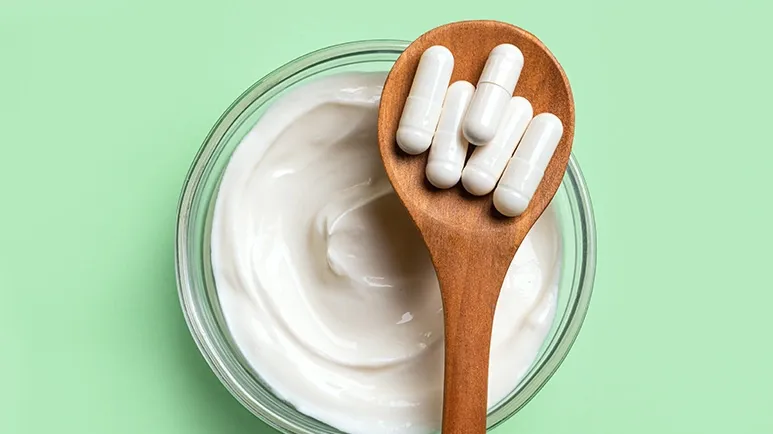
- Probiotics are gut-friendly bacteria, and many vets now routinely recommend probiotic supplementation for dogs and cats
- Probiotics maintain healthy levels of good bacteria in your pet’s GI tract, support the immune system and may prove beneficial for a wide range of health conditions
- They’ve proved as or more effective than antibiotics in treating acute stress colitis in shelter dogs; they’ve also been shown to provide GI, systemic and immune system benefits to healthy cats
- It’s important to offer a high-quality probiotic for your pet, as well as a nutritionally balanced, species-appropriate, whole food diet
- Also consider offering fermented vegetables, which are packed with probiotics and other nutritional benefits
Editor’s Note: This article is a reprint. It was originally published April 14, 2018.
Unless you’ve been living under a rock for the last decade or so, you’ve undoubtedly heard of probiotics. You may even use them yourself on a daily basis, or to treat occasional digestive issues, or when you’re taking antibiotics.
Probiotics are living microorganisms or gut-friendly bacteria. Russian Nobel Laureate Elie Metchnikoff discovered them in the early 1900s. Metchnikoff knew that people living in rural areas who consumed fermented milk on a regular basis lived long lives. He assumed their longevity was connected to the Lactobacillus organism found in milk, so he began advising people to use fermented milk to decrease pH levels in the gastrointestinal (GI) tract and suppress growth of harmful gut bacteria.
Holistic veterinarians have been recommending probiotics for pets for decades, and in recent years, conventional veterinarians have become more aware of their benefits as well. As a result, many vets now routinely recommend probiotic supplementation for patients with diarrhea and those receiving antibiotic therapy.
Probiotics Help Keep Pets’ Digestive and Immune Systems in Good Working Order
Probiotics are beneficial strains of bacteria that maintain healthy levels of good bacteria in your pet’s GI tract, and also defend against opportunistic, pathogenic bacteria. They’re a key part of a healthy microbiome in all healthy animals.
Your pet’s digestive tract is the largest immune organ in her body, and is home to even more intestinal bacteria than a human GI tract, despite her much smaller size. The digestive system of companion animals is designed to handle a tremendous bacterial load — bacteria that would very likely trigger a life-threatening infection if found elsewhere in the body.
A healthy population of friendly bacteria keeps your pet’s immune system in good working order. If the balance of good-to-bad intestinal bugs gets out of whack, your dog or cat will eventually develop GI symptoms and an increased susceptibility to illness. When your pet’s gut bacteria are in balance with the right amount and type of healthy bugs on board, there is symbiosis. Good things happen inside your pet’s body. For example:
- Vitamins are made
- Vegetable fiber is processed efficiently
- Unfriendly bacteria are kept in check
- Toxins are well-managed
When unfriendly, pathogenic bacteria take over the digestive system, it creates dysbiosis, which is more or less the opposite of symbiosis. Dysbiosis, also called leaky gut syndrome, results in increased permeability (leakiness) of the intestinal wall, which means your pet’s GI tract will be less able to allow healthy bacteria and nutrients in and keep disease-causing bacteria out. A healthy GI tract is selective about what is absorbed. Nutrients are taken in and non-nutritive substances, including toxins, are filtered out.
Probiotics May Be Valuable in Treating a Wide Range of Health Issues
We tend to view probiotics as being primarily beneficial for digestive issues. But studies in both humans and pets indicate the positive effects of probiotics may reach far beyond the gut. A growing body of research suggests probiotics can have therapeutic benefits for a wide range of health conditions, including chronic GI malfunction, allergies, diabetes, obesity, liver disease, and mood and behavior disorders. Human studies suggest that probiotics may:1
- Improve glucose tolerance
- Improve outcomes in ICU patients
- Support weight loss efforts
- Reduce inflammation
- Alleviate the occurrence or symptoms of atopic dermatitis
- Relieve diarrhea as a symptom of certain disorders
- Provide benefits to people with liver disease
- Decrease respiratory infections in children in daycare settings
- Improve symptom management in inflammatory bowel disease
- Reduce cavities in children and the incidence of severe gum disease in adults
- Decrease lipid levels in people with high cholesterol
In studies of dogs and cats with acute or chronic unexplained diarrhea and dogs with diet-related diarrhea, probiotic supplementation had the following non diarrhea-related benefits:2
- Reduced inflammation in allergic dogs
- Improved vaccine response and growth rates in puppies
- Lowered cholesterol in healthy dogs and those with intestinal disease
- Reduced levels of certain fecal bacteria in dogs
- Reduced incidence of feline herpes (FHV-1) infections
Studies also suggest there are no side effects of probiotic therapy, and that supplementation is safe and easy to administer in pets.
Probiotics Have Proved as or More Effective Than Antibiotics to Treat Colitis in Shelter Dogs
Dogs relinquished to animal shelters tend to develop acute stress colitis, which is severe inflammation of the colon. The condition is thought to be triggered by the trauma of suddenly being locked in a kennel in an unfamiliar environment full of strange noises, sounds and smells.
Other contributing factors to acute stress colitis can be parasites, infectious diseases and the abrupt change in diet that every dog entering a shelter undergoes. The primary symptom is diarrhea, which creates challenges not only in managing the health of the animals, but also with shelter hygiene and the adoptability of the dogs suffering with the condition.
The standard treatment for stress colitis in adult shelter dogs includes antiparasitic drugs and antibiotics. In fact, many conventional veterinarians in private practice treat dogs with diarrhea and other GI issues with the antibiotic metronidazole.
Antiparasitics and antibiotics put the GI tract under additional physiological stress, which can prevent full recovery and prolong symptoms and suffering. In addition, overuse of antibiotics in veterinary medicine has resulted in the widespread problem of highly resistant strains of deadly bacteria like MRSA.
Researchers at North Carolina State University’s College of Veterinary Medicine conducted a study to compare the use of probiotics versus metronidazole to treat acute diarrhea caused by stress colitis.3 The dogs in the study were from a Raleigh, NC animal shelter and were suffering from severe diarrhea. The researchers examined the dogs, recorded their weights and body scores, and ran blood, urine and fecal tests.
Then the dogs were randomly selected to receive either a probiotic or metronidazole to treat the diarrhea. All were fed either an adult maintenance or growth life stage diet. Food intake and fecal characteristics were recorded daily. There were 50 dogs total; 25 received the probiotic and 25 received the antibiotic. At the end of the study, 11 of the dogs treated with metronidazole were unresponsive. They were then given the probiotic.
The fecal scores of all three groups of dogs (including those that didn’t initially respond to the metronidazole) improved approximately twofold. Even the parasite-infected dogs showed the same level of improvement at the end of treatment.
The weight and body condition scores of the 50 dogs didn’t change significantly during the treatment period. Based on the fecal score data, study researchers concluded the probiotic “… is an equally effective treatment to the traditional antibiotic regime for the treatment of acute diarrhea in shelter dogs.” The researchers further acknowledged that, “Antibiotic-treated dogs with limited improvement appeared to benefit significantly from subsequent probiotic treatment.”
Probiotics Provide GI, Systemic, and Immune System Benefits to Healthy Cats
A study published in 2006 suggested that feeding cats a probiotic supplement can result in systemic and immune system health benefits as well as positively altering GI flora.4 The study ran five weeks and involved 15 healthy adult cats. Results showed the L. acidophilus strain given to the cats survived transit through the GI tract and decreased the numbers of two types of unfriendly gut bacteria.
In addition to improving the good-to-bad GI bacteria balance, administration of the probiotic also improved the performance of phagocytes (cells that absorb waste and harmful microorganisms in the bloodstream and tissues) and the production of cells involved in immune system performance.
Using spore-forming probiotics (“sporbiotics”) is a great idea for many pets who are stressed, have chronic disease, are taking regular doses of drugs or have “sensitive” GI tracts. They can also be beneficial for pet parents looking to create “guts of steel” in their dog or cat by optimizing GI defenses.
Selecting a High-Quality Pet Probiotic
The bacteria in probiotic supplements need to be live and able to reproduce in order to be effective. That’s why commercial pet foods containing probiotics aren’t worth the money. The manufacturing process kills many of the live bacteria, which means there’s little to no probiotic effect by the time the product hits store shelves. When selecting a high-quality pet probiotic, look for the following five important characteristics:
- The correct strains of bacteria beneficial for pets, not people
- Easy to give to your dog or cat
- The ability to survive the acidic environment of your pet’s stomach
- Enough live organisms to colonize the intestines
- Product stability under normal storage conditions
And remember that your dog or cat should receive the majority of his nutrients from a fresh, whole food diet that is nutritionally balanced and species-appropriate. Also consider adding some fermented veggies to your pet’s diet, since they not only provide a wider variety of beneficial bacteria than probiotic supplements, but also far more of them.
In this free guide, you’ll discover:
-
How your pet’s biology influences their nutritional needs -
Why conventional feeding advice often falls short -
Practical ways to choose better food for your dog or cat
View our Privacy Policy and Terms of Service.
