

STORY AT-A-GLANCE
- A hot spot is an inflamed, infected area of skin that your pet obsessively scratches, licks and bites
- Hot spots can develop very quickly and are painful and sensitive to the touch
- Resolving hot spots involves not only healing the wound, but also finding the underlying cause to prevent recurrence
- Ensuring your pet leaves the hot spot alone is critical to healing. If she continues to re-traumatize the wound, the infection won’t clear up and the hot spot will get bigger
- To help your pet heal and prevent future hot spots, it’s important to try to find and resolve the root cause
Editor’s Note: This article is a reprint. It was originally published July 5, 2017.
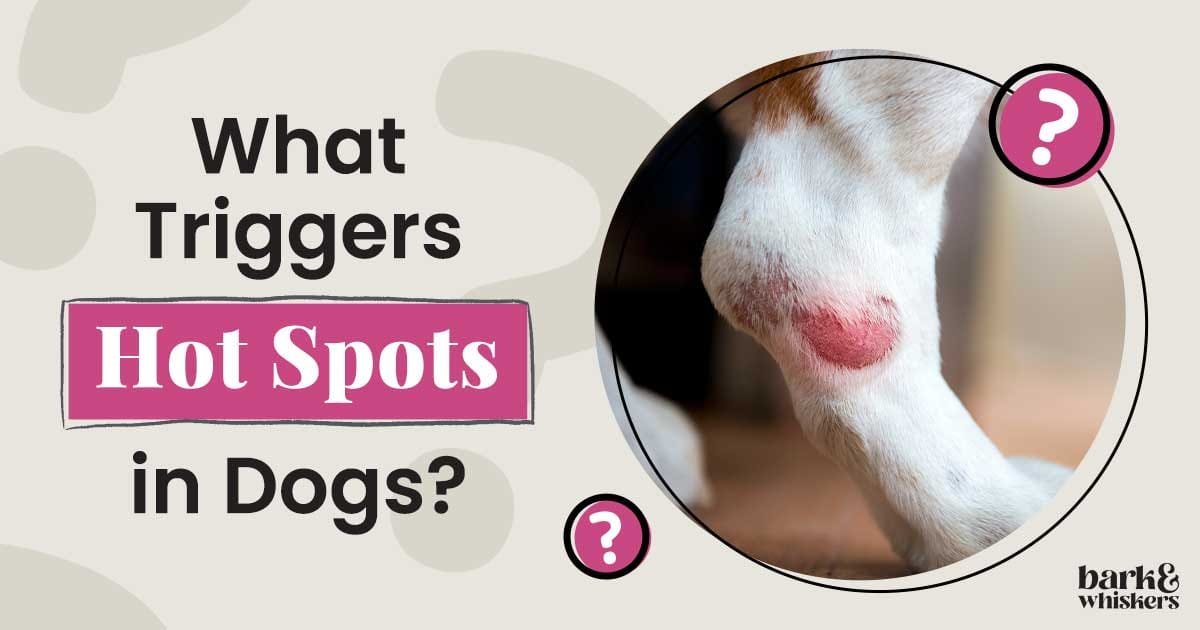
A hot spot on your dog (or less likely, your cat) is a raw, painful area of skin that is usually an angry red color and the hair has often been licked, rubbed or bitten off. The area over and around the hot spot is typically crusty and stinky. The medical term for hot spots is pyotraumatic dermatitis or superficial pyoderma. But hot spot is a much better descriptive term for your pet’s inflamed, infected skin.
What Triggers Hot Spots?
Just about anything (think flea bites or seasonal allergies) that causes your dog to scratch, lick or bite at an area of skin until it is irritated and inflamed sets the stage for a hot spot.
Hot spots are also created when your dog’s natural bacteria overpopulates areas of his skin. When an infection arises from a dog’s own bacteria, there is almost always a root cause. Hot spots often occur in dogs with underperforming immune systems. Once the skin is red and raw, it is primed for infection, which creates a vicious cycle of itching, scratching and further injury to the skin.
It’s important to realize that hot spots can come on very quickly. For example, you might leave your perfectly comfortable dog one morning to go to work, and by the time you get home, she’s obsessing over an area of skin that is irritated, inflamed and oozing. Hot spots tend to be very painful and sensitive to the touch. Any dog can develop the condition, but it’s most commonly seen in dogs with thick coats, dirty and/or moist skin and dogs with allergies, including flea allergies.
Treating the Wound
- Step No. 1: Hair removal — Shave the hair on, in and around the affected area. You may not love this idea, but if you don’t take off the hair, it will become trapped in the wound by pus and you’ll have a much harder time healing the hot spot.
In fact, hair in and around the affected area can create a perfect environment for the wound to enlarge and the infection to get worse. Shave the area of the hot spot, and then mark the edges of the lesion with a Sharpie type pen so you can tell if the infection is expanding.
If the infection continues to spread, you know you’re not treating it effectively at home and you should get your dog to your veterinarian as soon as possible. Some hot spots can result in fever and serious underlying skin problems, so if you see the wound growing rather than improving after a couple of days, it’s time to seek veterinary care. Once you’ve shaved the area and identified the margins, clip the hair back until you see healthy skin.
- Step No. 2: Disinfect the wound — Now you can begin gently disinfecting the wound with a solution that will remove bacteria. Use povidone iodine (brand name Betadine). It’s organic, has no side effects and is effective at controlling most skin bacteria. Dilute the solution with purified water until it’s the color of iced tea. Apply it to the wound using a soft washcloth or gauze.
For the first couple of days there will probably be quite a bit of oozing from the wound, so you’ll need to repeat the disinfecting procedure as often as necessary to keep the area clean, dry and pus-free. The first couple days you might need to disinfect as often as every two hours. Depending on the severity of the infection and the amount of pus, disinfecting two times a day should be an absolute minimum.
- Step No. 3: Apply a topical solution — After you clean the wound, apply a topical solution like colloidal silver, raw aloe, a thin layer of manuka honey or hold a cool chamomile tea bag against the wound to provide a soothing effect. Be sure not to use anything that might aggravate an open, raw wound. Solutions like vinegar or tea tree oil have antimicrobial properties, but can cause significant pain when applied to an open sore.
Repeat the disinfecting procedure and application of a light, natural topical soothing gel afterwards until the wound shrinks in size, the infection clears and your pet is no longer obsessing over the hot spot.
- Step No. 4: Protect the wound — Insuring your pet leaves the hot spot alone is critical to healing. If she continues to re-traumatize the wound, the infection won’t clear up and the hot spot will get bigger. You’ll probably need to put an E-collar on your dog to prevent her from licking the affected skin. An alternative might be to apply a light wrap or put a t-shirt on her. Just make sure she can’t get her tongue or paws on the sore.
Finding the Underlying Cause
To help your pet heal and prevent future hot spots, it’s important to try to find and resolve the root cause.
- Food allergies can cause hot spots. If you notice that each time your dog eats a certain type of kibble he gets a hot spot, there’s a very good chance he has an allergy to an ingredient in the food. If that’s the case, you’ll want to evaluate the ingredients in the food you feed your pet and make adjustments as necessary.
- Environmental allergies can also cause hot spots. Ragweed, grasses, pollens and molds are typical allergens; so are polluted water and dirty air. You’ll need to evaluate not only your dog’s diet, but also her environment to search for sources of allergens that could be causing hot spots.
- Flea allergy dermatitis is also a major reason why animals get hot spots. You might not even be able to see the fleas, but if your dog is sensitive, the bite of just one flea can cause a raging hot spot. Check your pet with a flea comb for fleas and flea dirt regularly.
- Underlying painful conditions can cause hot spots. For example, if you have an older dog who has never suffered from hot spots but suddenly starts bothering the skin over a hip joint, it could be a response to arthritis pain. If your pet has sciatica, which is an irritated, tingling nerve pain, you might notice him chewing on an ankle or a toe.
- Sometimes there are underlying mental or emotional causes for your dog’s hot spots, such as obsessive-compulsive disorder, separation anxiety or even boredom. Behavioral issues can cause licking and chewing which creates hot spots.
- Wet or dirty skin. Summer humidity can exacerbate yeast and bacterial growth on the skin, so keeping your pet’s skin clean and dry is important when it comes to preventing hot spots from occurring. If your dog enjoys swimming in lakes or ponds during the summer, it’s important to disinfect her skin after each swim to avoid hot spots from forming.
It can sometimes be very challenging to discover the cause of a pet’s hot spots, but if you treat only the wound and don’t find the source of the problem, there’s a good chance the condition will recur.
In this free guide, you’ll discover:
-
How your pet’s biology influences their nutritional needs -
Why conventional feeding advice often falls short -
Practical ways to choose better food for your dog or cat
View our Privacy Policy and Terms of Service.
