

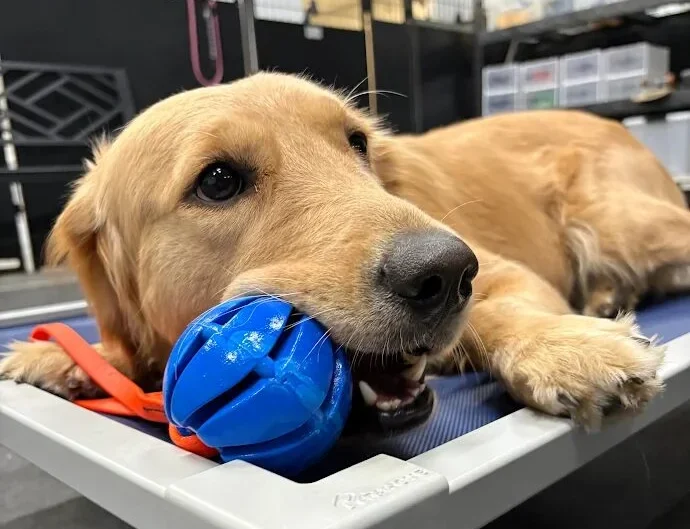
Puppy biting and nipping are among the most common challenges new dog owners face. Those tiny teeth may seem harmless at first, but without proper guidance, playful nipping can develop into unwanted behavior as your puppy grows. Many owners worry that biting means their puppy is aggressive, but in most cases, puppy biting is a completely normal part of development.
Puppies use their mouths to explore the world, interact with littermates, and learn social skills. The good news is that biting can be managed and redirected through consistent training and patience. Understanding why puppies bite is the first step toward teaching better habits that last into adulthood.
Why Do Puppies Bite and Nip?
Biting is a natural behavior for young puppies. Just like babies use their hands to explore, puppies use their mouths to investigate objects, people, and new experiences. During play, puppies also learn bite inhibition, which is the ability to control the force of their bite.
Puppies that leave their littermates often continue practicing these behaviors with their new families. While this can be frustrating for owners, it is a normal stage of development. The goal is not to stop all mouthing immediately but to teach puppies what is appropriate and what is not.
Understanding Bite Inhibition
Bite inhibition is one of the most important lessons a puppy learns. When puppies play together, they naturally teach one another that biting too hard ends the game. This feedback helps them develop self-control and appropriate social behavior.
As owners, we continue teaching this skill at home. Rather than punishing puppies harshly, focus on helping them understand that gentle play continues while rough play stops. Consistent responses help puppies learn boundaries more effectively.
Common Reasons Puppies Nip at People
Puppies bite for many different reasons, and understanding the cause can make training easier. Sometimes biting happens because puppies are excited, while other times they may be tired, overstimulated, or teething.
Common reasons puppies nip include:
- Teething discomfort
- Excitement during play
- Seeking attention
- Overtiredness
- Exploring their environment
Identifying when and why biting occurs allows owners to address the behavior more effectively. Patterns often emerge that make prevention easier.
Redirect Biting to Appropriate Toys
One of the best ways to manage puppy biting is by redirecting your puppy toward appropriate chew toys. Puppies need an outlet for chewing, especially during teething, and providing suitable alternatives helps prevent unwanted habits.
Keep toys readily available throughout your home so you can quickly redirect biting when it happens. When your puppy chooses a toy instead of your hands or clothing, reward that choice with praise or play. Over time, your puppy learns what items are appropriate to chew.
Avoid Encouraging Rough Play
Many owners accidentally encourage biting by using their hands during play. Wrestling with puppies or allowing them to chase fingers can make it difficult for them to understand boundaries later on.
Instead, use toys for interactive games such as tug or fetch. Keeping hands out of play sessions helps puppies learn that human skin is never a toy. Clear and consistent rules prevent confusion and support better habits.
What to Do When Your Puppy Bites
When your puppy bites, respond calmly and consistently. Yelling or physical punishment can create fear and may worsen behavior. Puppies learn best through clear consequences and positive reinforcement.
If biting becomes too rough, calmly stop interacting and remove attention for a short period. Once your puppy settles down, resume play or training. This teaches puppies that gentle behavior keeps fun activities going while biting causes them to end.
Teach Calm Behavior and Impulse Control
Puppies often nip when they become overly excited or overstimulated. Teaching calm behaviors helps reduce biting while improving self-control. Simple exercises like asking for a sit before receiving attention can encourage patience.
Regular training sessions also provide mental stimulation, which can reduce unwanted behaviors. A tired puppy is often less likely to engage in excessive biting than a puppy with unspent energy.
When to Seek Professional Help
Most puppy biting improves with consistent training and maturity. However, if biting becomes intense, frequent, or difficult to manage, professional guidance may be beneficial. Early intervention often prevents small issues from developing into larger behavioral challenges.
Professional trainers can help identify triggers, teach effective strategies, and create customized plans for your puppy. Seeking support early can make the training process easier and more enjoyable for both dogs and owners.
Building Better Habits for the Future
Puppy biting is a normal stage of development, but it should not become a long-term habit. Through patience, consistency, and positive reinforcement, puppies can learn appropriate ways to interact with people and their environment.
If you need help with puppy training or behavior challenges, Train Walk Poop is here to help. Our experienced trainers provide structured guidance to help puppies build better habits and develop into well-mannered companions. Contact us at 801-613-1364 to learn more about our puppy training programs and services.
