

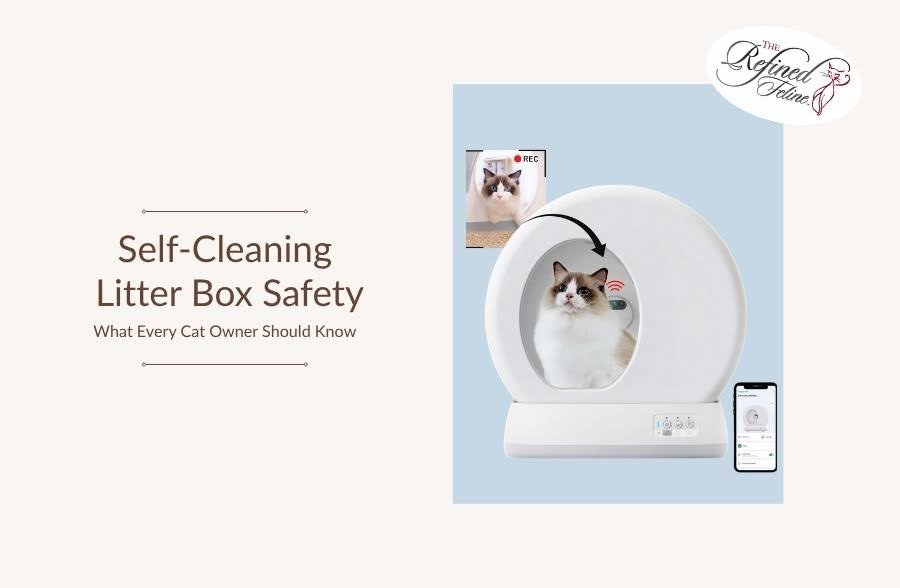
Automatic litter boxes promise hands-free convenience, but not all models prioritize your cat’s safety. Reports of cats being injured by poorly designed cleaning mechanisms have raised concerns among cat parents. Knowing what safety features to look for keeps your cat protected while you enjoy the convenience.
How Self-Cleaning Litter Boxes Work
Most automatic litter boxes use one of three cleaning methods: rotating drums that sift waste through a screen, raking systems that push waste into a sealed compartment, or conveyor-style mechanisms. After your cat exits, sensors detect the absence and trigger a cleaning cycle, usually after a preset delay of 5 to 20 minutes.
Why the Delay Timer Matters
A cleaning cycle that starts too soon catches cats who step away briefly and return. Quality models wait at least 5 to 10 minutes before activating, giving your cat time to come back if they feel unfinished. Adjustable delay timers give you control over this window based on your cat’s habits.
Safety Risks with Cheap or Generic Models
Recent reports have highlighted dangerous design flaws in budget automatic litter boxes sold under multiple brand names on online marketplaces. Understanding these risks helps you avoid products that put your cat in danger.
Entrapment from Closing Doors
Some models feature a single-piece plastic door that rotates upward during the cleaning cycle, completely closing the entrance. If the sensor fails to detect your cat inside, the door shuts with the cat trapped. Reputable brands design their automatic litter boxes with open-top designs where the entryway stays accessible during the entire cleaning cycle, so a cat can simply hop out at any time.
Unreliable Sensors
Cheap sensors may pause the cycle briefly when triggered, then resume before the cat has time to exit. Quality models use multiple redundant sensors, including weight sensors, infrared motion detection, and pinch resistance detection, that fully stop and reverse the cycle until all sensors confirm the box is clear.
Sharp or Poorly Made Components
Budget models sometimes use sharp plastic rims on doors and moving parts that can injure a cat during a malfunction. Inspect any automatic litter box for rough edges, exposed gears, or flimsy construction before letting your cat use it.
What Safety Features to Look For
Safe self-cleaning litter boxes share several design principles that protect cats during every cycle.
Open-Top or Always-Open Entry Design
An open entryway eliminates the risk of trapping. Even if every sensor fails, your cat can exit freely because nothing blocks the opening during cleaning. The UBPET Pro Self-Cleaning Litter Box uses an open-entry design where the drum rotates to sift litter while the entrance remains completely accessible.
Multiple Redundant Sensors
A single sensor is a single point of failure. Look for models with at least two independent detection methods. Weight sensors recognize when a cat is inside, while infrared sensors detect motion near the entrance. When either sensor triggers, the cycle should stop immediately, not just pause briefly.
Slow, Gentle Cleaning Mechanisms
The cleaning mechanism should rotate slowly enough that a cat inside can walk out calmly. Quiet motors below 45 decibels also reduce the chance of startling your cat, which matters because a frightened cat may avoid the box entirely.
Introducing a Self-Cleaning Litter Box Safely
Even the safest model can scare a cautious cat. A gradual introduction prevents litter box avoidance.
Step-by-Step Introduction Process
Place the new automatic box next to your cat’s current litter box. Leave it unplugged for three to five days so your cat can explore it at their own pace. Transfer a small amount of used litter from the old box to create a familiar scent. Once your cat uses the new box consistently, turn on manual cleaning mode for another week before switching to automatic mode. A slow transition reduces stress and gives your cat confidence in the new system.
Monitoring Your Cat’s Behavior
Watch for signs of anxiety: reluctance to enter the box, excessive vocalizing near it, or choosing to eliminate elsewhere. Any of these signals means you need to slow the introduction or adjust the delay timer to give your cat more time between their exit and the cleaning cycle.
Maintenance That Keeps Your Cat Safe
A well-maintained automatic litter box is a safe one. Neglecting maintenance can cause mechanical issues that compromise safety.
Regular Cleaning and Inspection
Empty the waste drawer before it overflows. Wipe sensors with a dry cloth weekly to prevent dust buildup that could cause false readings. Check moving parts monthly for wear or unusual noises.
Firmware and Software Updates
Connected models occasionally release firmware updates that improve sensor accuracy and safety. Keep your device updated. Models like the UBPET Pro offer app-based monitoring that lets you track usage patterns and receive alerts.
Replacing Worn Components
Sensors degrade over time. If your automatic box starts cycling at unexpected times or fails to detect your cat, contact the manufacturer for replacement parts. Do not use a box with unreliable sensors.
Monitoring Your Cat’s Health Through the Litter Box
One advantage of automatic litter boxes with app connectivity is health tracking. Usage data can reveal changes in bathroom frequency, visit duration, and weight over time.
What Changes to Watch For
Increased frequency may indicate a urinary tract infection. Decreased visits could signal constipation or kidney issues. Sudden weight changes deserve a veterinary check. Paying attention to litter box habits remains important even when scooping is automated.
Hiding Your Automatic Litter Box in Furniture
Safety is the first consideration, but aesthetics matter too. A self-cleaning litter box cabinet conceals the unit behind furniture-grade wood with ventilation slots and rear cord access. Cabinets compatible with popular automatic models let you enjoy self-cleaning technology without the appliance-like appearance.
Shop the Collection
Your cat’s safety comes first, always. A well-designed self-cleaning litter box with proper sensors, open-entry design, and gentle cleaning mechanics gives you the convenience you want without compromising the safety your cat needs.
View full modern litter box solutions that put both you and your cat at ease.
Frequently Asked Questions
Q. Are self-cleaning litter boxes safe for cats?
Yes, when you choose a model with multiple safety sensors, an open-entry design, and a slow cleaning mechanism from a reputable manufacturer. Avoid cheap generic models with closing doors.
Q. Can a cat get trapped in an automatic litter box?
Cats can become trapped in models where a fixed door closes during the cleaning cycle. Open-top designs eliminate this risk because the entryway stays accessible throughout the entire cycle.
Q. What sensors should a safe automatic litter box have?
Look for at least two independent sensor types: a weight sensor to detect a cat inside the box and an infrared sensor to detect motion near the entrance. Both should fully stop the cycle when triggered.
Q. How do I introduce my cat to a self-cleaning litter box?
Place the new box unplugged next to the current litter box for several days. Add familiar-scented litter, then activate manual mode before switching to automatic. Most cats adjust within one to two weeks.
Q. Do automatic litter boxes require special litter?
Most quality models work with standard clumping clay litter. Check the manufacturer’s recommendations, as some systems require specific grain sizes for effective sifting.
Q. How often should I clean a self-cleaning litter box?
Empty the waste drawer when full, wipe sensors weekly, and deep clean the entire unit monthly with mild soap and water. Regular maintenance ensures both safety and hygiene.
Previous Post
Can You Put a Litter Box in the Bedroom? What You Need to Know
Next Post
