

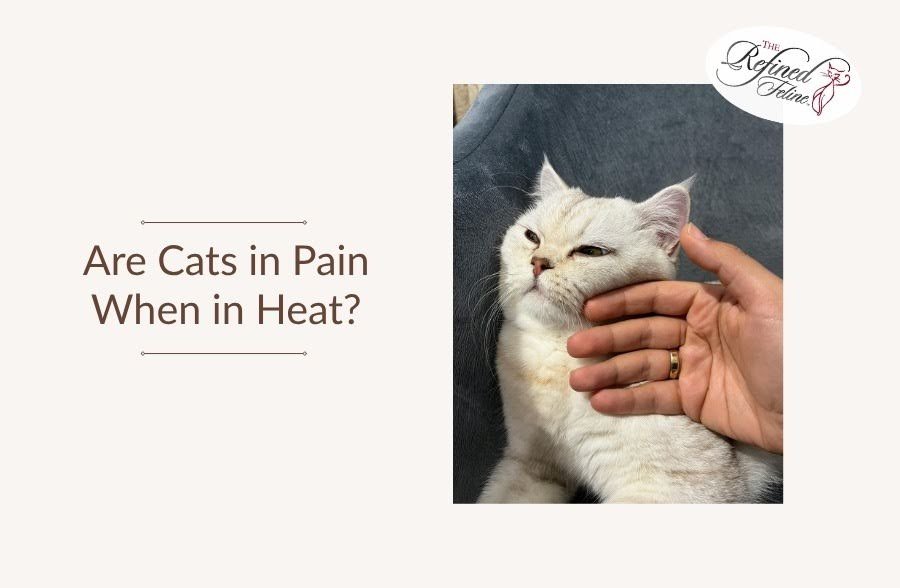
The yowling, restlessness, and dramatic behavior changes that come with a cat in heat can alarm any cat parent. Watching your cat cry out and pace the house naturally makes you wonder if she is hurting. The reassuring answer, supported by veterinary consensus, is that cats in heat are not experiencing pain. What they feel is intense hormonal frustration and a powerful drive to find a mate.
What Happens During a Cat’s Heat Cycle
The heat cycle, known as the estrus cycle, is the reproductive phase when a female cat is fertile and receptive to mating. Understanding the stages helps you recognize what your cat is going through.
Stages of the Feline Estrus Cycle
The complete cycle includes four stages. Proestrus lasts one to two days, when your cat may attract males but is not yet willing to mate. Estrus is the active heat phase, lasting four to ten days, when behavioral changes peak. Interestrus is the quiet period between cycles if no mating occurs. Anestrus is the dormant phase during shorter daylight months, though indoor cats may cycle year-round.
When Cats First Go Into Heat
Most cats reach sexual maturity around six months of age, though some can experience their first heat as early as four months. Once the first cycle begins, an unspayed cat will continue to cycle every two to three weeks during breeding season unless she mates, becomes pregnant, or is spayed.
Signs Your Cat Is in Heat
The behavioral signs of a cat in heat are often dramatic and hard to miss. Knowing what to expect helps you respond with patience rather than panic.
Loud Vocalization
The most recognizable sign is persistent, loud yowling or calling. Your cat is not crying in pain. She is vocalizing to attract a male mate. The sound can be startling, especially at night, and may sound distressed to human ears, but it is a normal part of the mating call.
Increased Affection and Rubbing
A cat in heat often becomes unusually affectionate, rubbing against furniture, door frames, and your legs. Rubbing deposits pheromones from scent glands on her cheeks and body, signaling her reproductive state to potential mates.
Lordosis Posture
Your cat may lower her front end, raise her hindquarters, and hold her tail to one side. Lordosis is the mating position and a clear physical sign that your cat is in estrus.
Restlessness and Escape Attempts
Hormones drive a powerful urge to find a mate. Your cat may pace constantly, scratch at doors and windows, and attempt to escape the house. Keeping doors and windows secure during the heat is essential to prevent unwanted pregnancy and outdoor dangers.
Increased Grooming
Some cats in heat groom their genital area more frequently. Slight swelling is normal, and self-grooming provides comfort during the cycle.
Are Cats in Pain When in Heat?
Veterinary experts agree that estrus itself is not a painful process for cats. The yowling, agitation, and restlessness are driven by hormones, not by pain signals.
What Cats Feel During Heat
Your cat experiences intense frustration. Every instinct pushes her to find a mate, and when she cannot, the result is agitation and vocal distress. The discomfort is hormonal urgency, not physical pain.
When to Be Concerned
While heat itself is not painful, certain symptoms during the cycle warrant veterinary attention. Bloody discharge beyond trace amounts, signs of abdominal pain when touched, lethargy, loss of appetite, or cycles that last longer than two weeks can indicate an underlying issue like pyometra, a potentially life-threatening uterine infection. Contact your veterinarian if your cat’s behavior seems abnormal beyond typical heat signs.
How to Comfort a Cat in Heat
You cannot stop the heat cycle once it starts, but you can make your cat more comfortable until it passes.
Keep the Environment Calm
Reduce loud noises, limit visitors, and maintain a quiet, predictable routine. Stress amplifies the discomfort your cat already feels. A calm environment with familiar resting spots, like a cozy cat bed or a favorite perch on a cat tower, helps her settle.
Provide Extra Attention and Play
Interactive play sessions redirect your cat’s restless energy. Feather wands, laser pointers, and toss toys give her something to focus on besides her hormonal drive. Extra gentle petting and soft talking provide reassurance.
Keep the Litter Box Clean
Cats in heat may urinate more frequently, sometimes outside the litter box, to spread pheromones. A consistently clean litter box setup reduces the chance of accidents and keeps your cat’s bathroom habits as normal as possible.
Secure Your Home
Close windows, check door seals, and block potential escape routes. A cat in heat is determined when seeking a mate. Indoor cats who escape face risks including traffic, fights, and unplanned pregnancy.
Spaying: The Permanent Solution
Spaying eliminates heat cycles by removing the ovaries and uterus. The procedure stops the hormonal fluctuations that cause calling, restlessness, and escape behavior. Spaying also prevents serious health conditions like pyometra and reduces the risk of mammary tumors.
When to Spay
Most veterinarians recommend spaying before the first heat, typically around four to five months of age. Spaying can also be performed after a heat cycle, usually one to two weeks after the cycle ends. Spaying during active heat carries a slightly higher bleeding risk, so timing matters.
Shop the Collection
Your cat deserves comfort in every phase of life, from playful kittenhood to the quiet moments in between. Creating a home filled with enriching spaces, cozy retreats, and clean routines is one of the best ways to support your cat’s wellbeing.
View the full range of modern cat furniture and give your cat a space that feels like love.
Frequently Asked Questions
Q. Are cats in pain when they are in heat?
No. Veterinary experts agree that estrus is not painful. Cats experience hormonal frustration and a strong drive to mate, which causes yowling and restlessness, but not pain.
Q. How long does a cat stay in heat?
The estrus phase typically lasts four to ten days. If the cat does not mate, the cycle repeats every two to three weeks during the breeding season.
Q. How can I calm a cat in heat?
Provide a quiet environment, engage in interactive play, offer extra gentle attention, and keep the litter box clean. A warm blanket and familiar resting spots also help.
Q. Can I spay my cat while she is in heat?
Spaying during heat is possible but carries a slightly higher risk due to increased blood flow. Most veterinarians recommend waiting one to two weeks after the cycle ends.
Q. Do indoor cats go into heat?
Yes. Indoor cats can cycle year-round due to artificial lighting, which mimics the longer daylight hours that trigger breeding season.
Q. At what age do cats first go into heat?
Most cats experience their first heat around six months of age, though some can cycle as early as four months. Spaying before the first heat is recommended when possible.
Previous Post
