

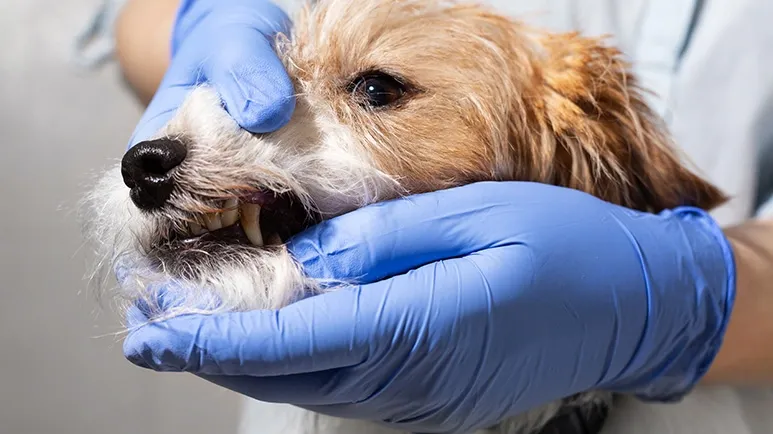
Tooth infections are one of the most overlooked sources of pain in dogs. Here is how to catch the early signs and protect your dog’s dental health at home.
Advertisement
Join the Bark & Whiskers™ Family
Sign up today for our FREE newsletter, packed with expert advice and insider tips to keep your beloved pet in tip-top shape.
View our Privacy Policy and Terms of Service.
STORY AT-A-GLANCE
- Tooth infections in dogs usually begin with plaque and tartar buildup along the gumline, where bacteria slip below the gum tissue and trigger gingivitis, then periodontal disease
- Dogs often continue to eat and act relatively normal despite chronic dental pain, which makes tooth infections surprisingly easy for pet parents to miss
- The earliest warning signs include stronger bad breath, chewing on one side, less interest in favorite chew toys, and subtle behavior changes
- Untreated dental infections can extend well beyond the mouth. Bacteria entering the bloodstream have been linked to heart, kidney, and liver issues, and hormone imbalances
- Regular brushing, routine dental exams, and providing appropriate chewing options and a fresh-food diet can help support your dog’s long-term dental health
Most dog parents stay on top of the basics — diet, grooming, exercises, and regular veterinary checkups. Dental health is one area that tends to slip through the cracks. It is harder to see, easier to put off, and rarely feels urgent until something goes obviously wrong. Part of what makes it so easy to miss is that dogs are remarkably good at hiding pain and adapting.
Just like humans, dogs can develop tooth infections, gum disease, and abscesses that affect both their daily comfort and their long-term health — but they will not tell you when one starts. Recognizing the signs of a tooth infection early helps reduce your dog’s risk of unnecessary pain and more serious dental and systemic problems.
How a Tooth Infection Starts
Most tooth infections in dogs start as plaque, a sticky film of bacteria that builds up on teeth throughout the day. If it is not brushed or scraped away, it hardens into tartar within a few days and starts accumulating along the gumline. This gives bacteria a rough surface to cling to and grow on. The longer it sits there, the more it pushes the gumline back from the tooth, creating a small pocket between the two.1
That pocket is where things start to go wrong. A healthy gumline creates a tight seal against bacteria. Once the pocket forms and bacteria slip below the gumline, they are past the first line of defense and into tissue that has a much harder time fighting them off. Also, that pocket is unreachable for cleaning well with a toothbrush. The body responds with inflammation in the surrounding tissue (gingivitis). Over time, the bacteria can work their way down toward the root of the tooth and the bone that holds it in place. This is what is known as periodontal disease, and it is the most common cause of dental infections in adult dogs.2
The other common pathway is a tooth that has been cracked or broken, often from chewing on something too hard. Once the protective outer layer is damaged, bacteria have a direct route into the soft tissue and nerve in the middle of the tooth, which can lead to an abscess that develops at the root.3
The effects can also extend beyond the mouth. Bacteria from advanced dental disease may enter the bloodstream, and from there they can travel to other organs. Chronic dental disease may damage the heart valves, kidneys, and liver, which is why advanced dental disease is treated as a whole-body concern.4 Chronic inflammation from periodontal disease also raises cortisol levels and increases insulin resistance, which can lead to or exacerbate additional chronic health problems.5,6
Subtle Signs to Watch Out For
What makes a tooth infection so easy to miss is that the visible part of the tooth often looks fine. It can be loose, dying, or sitting on top of an abscess and still appear perfectly intact from above the gumline. That is what makes these signs worth watching for:7,8
- Bad breath — Your dog’s breath is not supposed to be minty, but if it suddenly smells much stronger, sour, or rotten, it might be an early sign of bacteria building up along the gumline.
- Chewing differently — Your dog may start chewing on one side, dropping food, eating more slowly, or avoiding hard treats and chew toys.
- Swollen, red, or bleeding gums — Healthy gums look pink and sit snug to the teeth. Swollen, red, irritated, or bleeding gums are often one of the first visible signs of inflammation and periodontal disease. In some advanced cases, you may even notice pus or discharge near the gums.
- Pawing at the mouth or face — Rubbing the muzzle on carpets or furniture, scraping a paw across the face, or pulling away when you touch the side of their head all suggest something is bothering them inside the mouth.
- Facial swelling — A bump or puffiness below the eye, along the cheekbone, or near the jaw usually points to a tooth root abscess and needs a veterinary visit right away.
- Behavioral changes that do not seem dental — Irritability, sleeping more, or becoming withdrawn or less playful can all be signs of chronic mouth pain. Heavy panting, shaking when not cold, and jaw chattering can also be signs.
If you notice any of these signs, it is worth scheduling a dental exam with your veterinarian sooner rather than later. Your vet will start with an oral exam and may recommend dental radiographs (X-rays) to catch what is hiding below the gumline.9
Treatment depends on how advanced the infection is, but it may involve a professional dental cleaning, removal of damaged teeth, antibiotics, and pain management.10 Catching the problem earlier usually means a simpler recovery and less discomfort for your dog.
5 Simple Tips to Help Protect Your Dog’s Teeth
What you do at home every day plays a vital role in maintaining your pet’s dental health. A few consistent habits can make a meaningful difference over time:11,12
- Brush their teeth regularly — Brushing is the single most important thing you can do for your dog’s dental health. A lot of pet parents skip this step or treat it as optional, but it is a vitally important part of your dog’s routine. Daily is ideal, but a few times a week still makes a real difference. Use a toothpaste made for dogs, since human toothpaste often contains xylitol, which is toxic to them even in tiny amounts.
- Feed a fresh-food diet — Raw food, while not right for every pet, requires more chewing and tearing than cooked diets, which can naturally aid in cleaning teeth.13Fresh, whole-food diets (cooked or raw) also tend to be much lower in the starches and fillers found in most kibble — carbohydrates that break down into sugars and feed the bacteria along the gumline.14
- Offer appropriate chewing options — Recreational bones and/or a fully digestible, high-quality dental dog chew to help control plaque and tartar are good options. Avoid anything hard enough to fracture a tooth, like antlers, hooves, and hard nylon chews. A “rule of thumb” for dental safety is that you should be able to bend the chew with your hands or press your thumb into it.
- Perform routine mouth inspections — Get your dog comfortable with letting you open their mouth, look inside, and feel around for loose teeth or unusual lumps and bumps on the tongue, under the tongue, along the gum line, and on the roof of the mouth. After a few times, you will become familiar with any changes that occur from one inspection to the next.
- Schedule routine dental exams — A yearly oral check with your veterinarian and a professional cleaning every one to three years catches most problems early. Small breeds and short-nosed dogs typically need cleanings more often.
Stay Vigilant About Your Pet’s Dental Health
Eating meals, working through treats, playing with toys — your dog uses their teeth for almost everything they enjoy, and they cannot tell you when any of it starts to hurt. The noticing has to come from you. Watch for the signs covered above. Stick with the habits that keep their mouth healthy. The attention you give now is what keeps your dog comfortable, eating well, and enjoying their daily life for years to come.
- 1,2,6,9 Harbourside Animal Hospital, Common Signs of a Tooth Infection in Dogs
- 3 VCA Hospital, Fractured Teeth in Dogs
- 4 Vet Rec. 2024 Jan 6;194(1):e3310
- 5 PetMD, December 3, 2019
- 7 Montana Pet Dentist, May 7, 2025
- 8,10,11 McQueen Animal Hospital, July 25, 2025
- 12 Cornell, Dental Disease and Home Dental Care
- 13 Raw Essentials, Dental Health
- 14 VCA Hospital, Dogs, Nutrition, and Periodontal Disease
In this free guide, you’ll discover:
-
How your pet’s biology influences their nutritional needs -
Why conventional feeding advice often falls short -
Practical ways to choose better food for your dog or cat
View our Privacy Policy and Terms of Service.
