

STORY AT-A-GLANCE
- Overgrown pet nails (technically claws, only primates have true nails) are a hidden source of chronic pain, postural strain, and joint damage
- When nails grow too long, they act like a wedge under the toe, forcing joints upward with each step and eventually stressing muscles, tendons, and even the spine
- Signs that your pet’s nails need trimming include making clicking sounds on hard floors, snagging on fabric, or noticeable discomfort while walking or running
- Most dogs need their nails trimmed every three to four weeks, while cats typically need them every two to four weeks. If your pet has a dewclaw, extra attention is needed due to lack of wear
- Trimming gradually to avoid the quick, using correct clippers, and pairing sessions with treats helps make nail care a low-stress part of preventive pet health
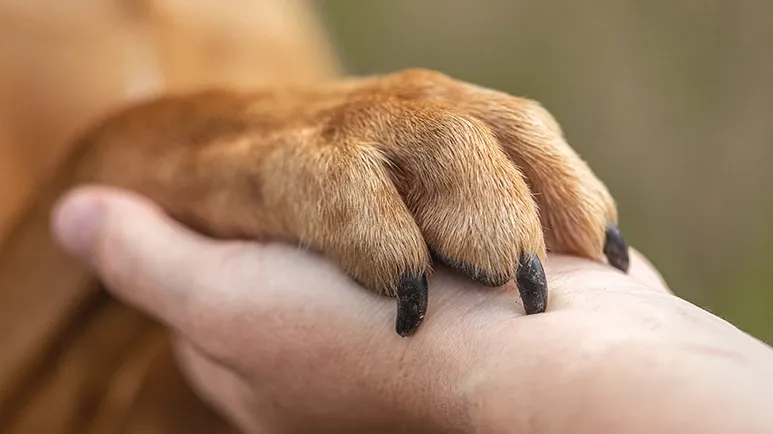
Most pet parents trim their pet’s nails to protect their floor and furniture, but the benefits go far beyond that. Overgrown nails are actually one of the most overlooked sources of chronic pain, postural strain, and joint damage in household pets.
In some cases, untrimmed nails can create injuries and infections that require veterinary care.1 The good news is that regular nail-trimming is one of the easiest ways you can support your pet’s comfort, movement, and long-term health.
Why Nail Care Plays a Role in Overall Wellness
Your pet’s nails grow continuously, just like your own fingernails. In the wild, animals walk long distances on rough terrain, which helps trim their claws without the need for tools. In contrast, household pets spend much more time indoors or walking on softer surfaces like carpet or grass, which do not provide enough friction to keep nails at the right length.2
When nails become too long, they can affect the entire structure of your pet’s feet and legs. When a nail is long enough to touch the ground before the paw pad, it functions like a wedge under the toe, forcing the joint upward with each step and gradually compressing the structures above it.3 It can also force the paw into an awkward shape when your pet walks, changing the way they move and placing extra pressure on their hips, knees, shoulders, and spine.4
Think of it like walking around in shoes that are two sizes too small or too tight. At first, it may just feel uncomfortable. But after a while, pain gradually spreads through your entire body. Your pet experiences something very similar when their nails grow too long.
So, how can you tell when it is time for a trim? A classic indicator is hearing your pet’s nails clicking on hard floors. You may also notice their nails extending past the paw when standing or getting caught on fabrics when you pick up your pet. In more severe cases, your pet may even show visible signs of discomfort when walking or running.5
The Hidden Health Problems Caused by Long Claws
Here are some of the most common issues veterinarians see when pets go too long without nail trims:6,7,8
- Pain when walking — The constant pressure on the paws can cause pain, bruises, and discomfort while walking.
- Changes in posture and gait — Instead of placing the paw flat on the ground, your pet needs to shift their weight to avoid the pressure from their nails. This changes their posture and the way they move. Over time, the strain spreads to muscles, joints, and tendons.
- Broken or split nails — When overgrown nails snag on carpets, bedding, or furniture, they can split, tear, or break. This results in pain and heavy bleeding. In some cases, the injury reaches the quick — the sensitive area inside the nail that contains nerves and blood vessels.
- Ingrown or curled nails — In some cases, nails can grow into the skin. This is not only painful but also creates an opening for infection, swelling, and abscesses, requiring medical treatment.
- Changes in behavior — Pets with sore feet or injured nails may become less active, more irritable, or reluctant to be handled. Some pets avoid walks, playtime, or jumping onto furniture.
The Optimal Trimming Interval for Your Pet’s Nails
Pet parents often ask how often they should trim their pet’s nails. There is no one-size-fits-all schedule, since nail growth depends on factors such as age, activity level, and how much time your pet spends outdoors.
As a general guideline, a dog’s nails need to be trimmed every three to four weeks. Dogs that regularly walk on hard surfaces like pavement may wear their nails down naturally and need trimming less often. Meanwhile, cats usually need trimming every two to four weeks.9 Because cats have retractable claws, they do not wear them down through walking the same way dogs do, which is why regular trimming is still important even for active indoor cats.
For many pet parents, nail-trimming can feel intimidating. You might worry about hurting your pet or cutting too much. But with the right tools and a calm approach, trimming can become a simple part of your routine. Here are some helpful tips to make this process easier:10
- Choose the right tools — Nail-trimming begins with a good pair of nail clippers; they should be sharp and sized correctly for your pet. Dull clippers can crush the nail instead of cutting it cleanly, which can cause discomfort.
- Trim a little at a time — Instead of trying to cut off a large portion of the nail to save time, it is better to trim gradually to reduce the risk of cutting into the quick, which can cause bleeding and pain. Slow, careful trimming also helps your pet stay calm during the process.
In pets with light-colored nails, the quick is easier to avoid, as it is visible as a pink area inside the nail. For pets with dark nails, trim small amounts at a time until you see a chalky or light-colored ring in the center of the nail. This means you are getting close to the quick and need to stop.
- Create a positive experience — Nail-trimming does not have to be stressful. Try making the experience positive for your pet by offering treats, praise, and gentle handling. Over time, your pet will begin to associate nail trims with rewards rather than fear.
What if Your Pet Still Hates Getting Their Nails Trimmed?
Some pets simply refuse to cooperate during nail trims. If your dog pulls away or your cat hides the moment they see the clippers, you are not alone. Many pets dislike having their paws handled. But do not give up, as you still have options.
If nail-trimming at home becomes too stressful for you or your pet, seeking professional help is a great solution. Visit a professional groomer or veterinarian who is equipped to handle nervous pets safely.11 Some clinics use gentle restraint techniques or calming strategies to reduce stress during the process.
Of course, nail-trimming is not the only way to keep your pet’s claws in a healthy state. If you have a dog, the simplest solution is to go for daily walks outside with a portion of it on hard ground or on pavement.12 If you have a cat, it would be wise to provide them with scratching mats and posts or a dedicated cat patio (“catio”).
Access to these surfaces helps cats shed the outer layer of their claws and keep them shorter between trims. It also gives them a safe outlet for their natural behavior and deters them from scratching your furniture. You may also consider soft nail caps for indoor cats as a temporary, pet-safe option while you build better claw care habits.13
Watch Out for Your Pet’s Dewclaw
Have you spotted an extra nail placed slightly higher on your pet’s paw? That is called a dewclaw, and most dogs have it on both front legs. Interestingly, certain breeds contain double dewclaws on the rear legs, such as the Great Pyrenees, Briard, Beauceron, and Icelandic Sheepdog.14 Cats are anatomically similar — they usually have front dewclaws, but rear dewclaws can appear.15
Since a dewclaw does not usually touch the ground, it does not wear down naturally like other nails. This means a dewclaw often grows faster and requires more frequent trimming.
Left unchecked, dewclaws can curl and grow into the skin or catch on objects, causing painful injuries or infections that may require removal via surgery.16,17 So, when trimming your dog’s or cat’s nails, always check where their dewclaws are located.
Nail Care Is Part of Preventive Health
Pet parents typically focus on big, encompassing aspects like good nutrition, high-quality supplements, and regular exercise. But it is also important to pay attention to the small stuff like nail-trimming. These are also a key part of preventive care and overall wellness.
Your pet may never learn to enjoy nail trims, and that is okay. But every time you do it — calmly, carefully, on schedule — you are protecting the joints, posture, and mobility they depend on for the rest of their life. You can always shower them with plenty of love once you are done trimming.
- 1,2,3,5,6,9,11 Haarstad Veterinary Dermatology, Why Regular Pet Nail Trims Are Essential for Your Dog or Cat’s Health
- 4,8,10 Sunrise Blvd. Animal Hospital, June 13, 2024
- 7,16 Longevity Veterinary Center, December 1, 2025
- 12 Dog Trust, How to Clip Your Dog’s Nails
- 13 Cat Care Society, July 29, 2024
- 14 American Kennel Club, What Are Dog Dewclaws?
- 15,17 Patton Veterinary Hospital, November 11, 2023
In this free guide, you’ll discover:
-
How your pet’s biology influences their nutritional needs -
Why conventional feeding advice often falls short -
Practical ways to choose better food for your dog or cat
View our Privacy Policy and Terms of Service.
