

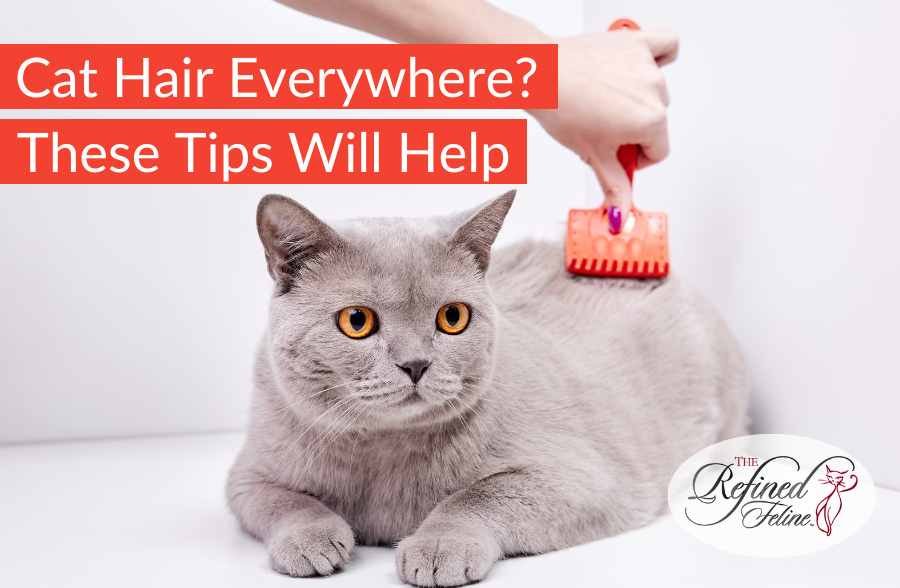
Short-haired, long-haired, somewhere in between, every cat sheds. Fur ends up on your couch, your clothes, your morning coffee mug, and somehow inside drawers you never open. While you cannot stop shedding entirely (it is a natural and healthy process), you absolutely can keep cat hair under control with the right habits and tools.
Why Is Cat Hair Everywhere in Your Home
Cats shed their coat continuously as old hair falls out and new hair grows in. Shedding peaks during spring and fall as your cat’s coat adjusts to seasonal temperature changes. Indoor cats exposed to consistent artificial lighting may shed more evenly throughout the year.
Where Hair Accumulates Most
Cat hair gravitates toward soft surfaces like couches, bedding, and carpets because static electricity causes it to cling to fabric. Your cat’s favorite lounging spots, whether a sunny windowsill or the corner of the sofa, collect the heaviest buildup. If your cat has a dedicated spot on a cat perch or cat bed, hair concentrates there rather than spreading across all your furniture.
Health and Diet Factors
Excessive shedding can also signal nutritional gaps. A diet lacking in omega fatty acids or adequate protein may lead to a dull coat and increased hair loss. If shedding seems unusually heavy, a conversation with your vet about diet adjustments is worth having.
SALE
Refined Self Cleaning Litter Box Cabinet
$249.99 – $284.99
Best Ways to Get Rid of Cat Hair in Your House
A few targeted tools and techniques make a big difference without turning cleanup into a full-time job.
Vacuum With a Pet-Specific Model
A vacuum designed for pet hair offers stronger suction and motorized brush heads that dig into carpet fibers. A powered brush bar maintains effectiveness regardless of how much hair it encounters, unlike traditional vacuums that rely on airflow alone. Robot vacuums built for pet hair can also handle daily maintenance between deeper cleanings.
Use the Dryer for Fabrics
Toss hairy blankets, throws, and clothing into the dryer for a few minutes on low heat. The combination of warmth and tumbling pulls hair loose and traps it in the lint filter. Clean the filter frequently, because cat hair fills it fast.
Rubber Gloves and Pet Hair Sponges
Running a dry rubber glove across upholstery creates static friction that lifts cat hair quickly. Pet hair sponges work similarly, sweeping across cushions in one direction to trap fur. Both methods are cheap, reusable, and surprisingly effective for quick touch-ups between vacuuming sessions.
Damp Dusting for Hard Surfaces
A slightly damp microfiber cloth or dusting mop traps hair on hard floors, shelves, and baseboards instead of pushing it around. Dry sweeping tends to scatter lightweight cat hair into the air, making the problem worse.
How to Keep Cat Hair Under Control Daily
Staying ahead of shedding is easier than catching up. A few small habits, done consistently, keep cat hair from taking over your home.
Brush Your Cat Regularly
Regular brushing is the single most effective way to reduce cat hair in the home. Brushing captures loose fur before it has a chance to float onto your furniture. Start with short sessions and let your cat get comfortable with the brush. Many cats enjoy brushing once they realize it feels like extended petting. During peak shedding seasons, daily brushing makes a noticeable difference.
Designate Cat-Friendly Zones
Giving your cat dedicated furniture reduces how widely hair spreads. A cozy cat tower in the living room, a wall-mounted shelf by a window, or a plush spot on a modern cat condo all encourage your cat to lounge in designated areas instead of across every surface in the house.
Use Washable Covers
Place washable throws or blankets over your cat’s favorite spots on the couch or bed. When they collect hair, they toss it in the wash. Swapping out covers weekly is far easier than deep-cleaning upholstery.
Keep the Air Clean
An air purifier with a HEPA filter captures airborne cat hair and dander, improving overall air quality. Maintaining your HVAC filters and replacing them regularly also cuts down on circulating fur and allergens.
Feed for a Healthier Coat
Quality nutrition plays a direct role in shedding. A diet rich in omega-3 and omega-6 fatty acids supports skin health and keeps your cat’s coat strong, which means less loose hair floating around your home. Hydration matters too, so always keep fresh water available. A well-nourished cat with a shiny, healthy coat simply sheds less than one eating a diet full of fillers and low-quality protein.
Shop the Collection
Cat hair is the price of admission for sharing your life with a feline companion, and most of us would agree it is worth every last strand. A few smart habits and the right tools keep your home feeling fresh without making you choose between a clean space and a happy cat. When your cat has furniture designed just for them, the hair stays where you can manage it, and your shared home stays beautiful. Browse our collection of modern cat furniture and give your cat spots they will love, so your couch gets a break.
Frequently Asked Questions
Q. Why Does Cat Hair Stick to Everything?
Ans. Static electricity causes lightweight cat hair to cling to fabric, clothing, and upholstery. Dry indoor air increases static buildup, making the problem worse during the winter months.
Q. What Is the Best Way to Clean Cat Hair from Furniture?
Ans. A pet hair sponge, dry rubber glove, or lint roller works well for quick cleanups. For deeper cleaning, a vacuum with a motorized upholstery attachment removes embedded hair most effectively.
Q. How to Clean a House Full of Cat Hair?
Ans. Start with vacuuming carpets and upholstery using a pet-specific vacuum, then damp-mop hard floors. Wash throws and covers, wipe surfaces with a damp cloth, and run an air purifier to capture airborne hair.
Q. How to Remove Cat Hair from a Couch?
Ans. Run a dry rubber glove or a damp sponge across cushions in one direction to gather hair. Follow up with a vacuum’s upholstery attachment for embedded fur. Washable couch covers simplify ongoing maintenance.
Q. How to Get Cat Hair Out of the Air?
Ans. A HEPA air purifier captures floating cat hair and dander. Regularly replacing HVAC filters and keeping indoor humidity balanced also reduces airborne hair and static cling.
Q. How to Stop Cat Hair Fall?
Ans. Shedding is natural and cannot be eliminated, but regular brushing, a protein-rich diet with omega fatty acids, and adequate hydration reduce excessive hair loss. Consult a vet if shedding seems abnormally heavy.
Also Read:
Previous Post
