

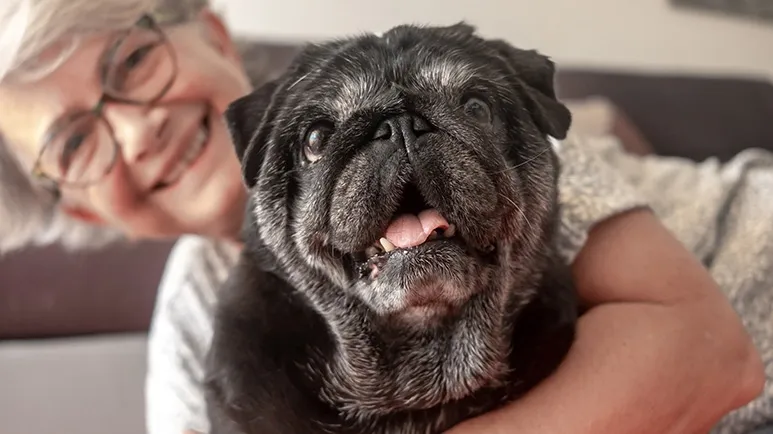
For two groups of older adults, they used monitors to get an objective measure, rather than self-reporting. The results were stunning, and quite widespread. Are there more benefits to the people or the pets? And what were they? Find out here — it’s awesome.
STORY AT-A-GLANCE
- A study shows senior citizens who own dogs are more physically active than non-dog owners
- Simply walking their pets caused senior dog parents in the study to meet internationally recognized exercise goals
- Researchers also observed that dog owners had fewer continuous periods of sitting down than non-dog owners
- Dogs also offer their owners many physical and emotional benefits beyond exercise, including alleviating loneliness and self-absorption
- Studies show dog walkers are more likely to interact socially with other people when they’re out and about with their pet
Editor’s Note: This article is a reprint. It was originally published August 9, 2017.
A study suggests senior citizens who are also dog parents are able to meet internationally recognized exercise goals as established by the World Health Organization (WHO) through the simple act of walking their canine companions.1
Study Compared Dog-Owning and Non-Dog Owning Seniors
For the study, a team of U.K. researchers compared two groups of 43 older adults aged 65 to 81. One group consisted of dog owners (average dog age for the group was 8 years); the other group did not own dogs. All the seniors lived on their own, and members of the two groups were matched by gender, height, weight, health conditions and walking abilities.
All participants were British and Caucasian. About two-thirds were female, and the average participant was at least slightly overweight. The two groups were evaluated on their time spent walking. They wore monitors to track their movements for three one-week periods over the course of a year. The weeks were chosen so the participants’ steps could be measured during different seasons and weather conditions.
Past research on this topic has relied on self-reporting by participants as to their level of physical activity. The use of activity monitors in this study provided objective data on patterns and intensity of physical activity, as well as periods of sitting.
Dog Owners Walked More and Sat for Shorter Periods
The researchers discovered the dog-owning group walked an average of 22 minutes more per day than the dog-less group, which was enough to meet both U.S. and international exercise recommendations for substantial health benefits. And the extra exercise the dog walkers received was “marching,” not “just dawdling,” according to senior study author Dr. Daniel Simon Mills.
The additional 147 minutes dog owners spent walking at a moderate pace is just three minutes under WHO’s recommendation of at least 150 minutes of moderate to vigorous weekly physical activity.
The U.S. Centers for Disease Control and Prevention (CDC) recommendation for adults is a minimum of 150 minutes a week of moderate-intensity exercise, or 75 minutes of vigorous-intensity aerobic activity a week. The researchers also found that dog owners had fewer continuous periods of sitting down than non-dog owners.
Dogs and Older Folks — It’s a Win-Win
Mills, who teaches veterinary behavioral medicine at the University of Lincoln in England, told Reuters Health:
“It’s very difficult to find any other intervention that produces this size of effect. It’s good evidence that dog ownership amongst the elderly increases physical activity in a meaningful and healthy way.”2
Mills feels the study proves that the exercise benefits of dog ownership stem from having dogs, not from the idea that dog owners are more active to begin with. The study also confirms earlier studies in which dog owners reported walking more, at a moderate pace, than non-dog owners.
However, the researchers conceded that since all the study participants were volunteers, they may have been more physically active than the general population. Study co-author Nancy Gee of the WALTHAM Centre for Pet Nutrition told EurekAlert!:
“Our results indicate that dog ownership may play an important role in encouraging older adults to walk more. Ultimately, our research will provide insights into how pet ownership may help older people achieve higher levels of physical activity or maintain their physical activity levels for a longer period of time, which could improve their prospects for a better quality of life, improved or maintained cognition, and perhaps, even overall longevity.”3
Dogs Offer Many Benefits to Retirees Beyond Exercise
If you’re in good health and have the financial means to support a pet, there are incredible benefits of dog ownership, no matter your age. For example, in addition to encouraging you to stay active, dogs provide companionship and alleviate loneliness. Another important benefit is that dogs become a focal point for our attention and require us to provide a certain amount of structure to each day.
Dogs are also something to touch, which can be especially beneficial for older folks who live alone. People derive comfort from the presence of a dog on their lap or lying next to them. Dogs also need to be cared for, and the act of nurturing a pet enhances emotional and physical relaxation.
Dogs are, of course, fun and funny, which can bring much-needed joy and laughter to the lives of seniors. In addition, studies show dog walkers are more likely to interact socially with other people when they’re out and about with their pet.
Dogs Also Offer a Cure for Self-Absorption
Another reason a dog can have such a powerful influence on your health is because his presence pulls your attention away from yourself. One of the most effective ways to reduce stress and increase feelings of optimism is to focus on something other than you. This can be a struggle for people who sense their independence slipping away and who are also dealing with the physical limitations of an aging body.
A small research project conducted years ago in California illustrates how the presence of a pet influences several important aspects of life for people who are aging.4 Researchers recorded the casual conversations of senior citizens as they walked their dogs in a mobile home park.
All dog owners talked to and about their dogs. They gave their dogs instructions and used their names and nicknames frequently. The dogs caused their owners to stay in the present moment. This is often difficult for older people, who tend to think often about the past or worry obsessively about the future.
Other people out for walks talked to the owners about their dogs whether the dogs were present or not. The conversations of dog owners frequently were about things in the here and now, whereas non-dog owners focused on stories about past events.
Dog owners took twice as many daily walks on average as non-owners, and reported much less dissatisfaction with their social, physical and emotional states. This shows a healthy lack of self-absorption and a happier, healthier, more hopeful outlook. Mills offers some great advice for seniors contemplating pet ownership: “If you’d like to get a dog, don’t be put off by the fact you’re elderly. It’s good for the dog, and it’s good for you,” he says.
In this free guide, you’ll discover:
-
How your pet’s biology influences their nutritional needs -
Why conventional feeding advice often falls short -
Practical ways to choose better food for your dog or cat
View our Privacy Policy and Terms of Service.
