

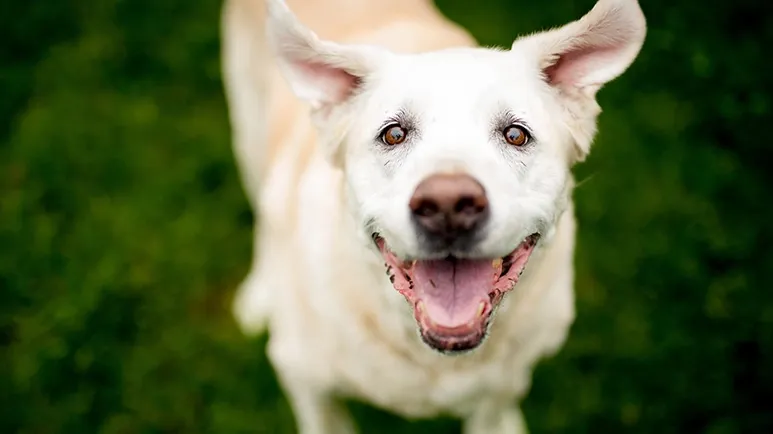
STORY AT-A-GLANCE
- Senior dogs experience brain and body changes, such as slower signaling cells, joint stiffness, and reduced senses. These are addressable, and owners have more influence than they realize
- Daily gentle movement, even a 20-minute walk, maintains muscle strength, supports heart health, improves circulation, and boosts mood without straining an aging dog’s body
- Mental stimulation through puzzle toys, scent games, and positive training helps slow cognitive decline, keeps dogs engaged, and deepens the bond between dog and pet parent
- Nutrition matters more with age. Ensuring your senior dog gets sufficient omega-3 fatty acids, antioxidants, and vitamins C and E will help support their brain, joint, and immune health
- Routine, connection, dental care, and regular vet visits form the foundation of senior dog wellness, enabling early detection of issues and a better quality of life
With senior age comes a downturn in your dog’s physical activity — the hesitation before the stairs, the toy left untouched, and the walk cut short because they just don’t have it in them today. If you’re noticing these changes in your pet, you’re not imagining it, yet you’re not powerless against it.
There’s a lot you can do to support your dog during this stage of life. With a few thoughtful adjustments, you can help your senior dog stay comfortable, engaged, and happy. In fact, your dog’s later years can still be full of meaningful moments and connection.
Understanding Why Your Dog Slows Down
As your dog ages, their body and brain undergo changes similar to those in humans. You might notice that your dog seems more tired, sleeps longer, or occasionally appears confused. These can happen because the brain doesn’t function as efficiently over time due to the signaling cells becoming less efficient at doing their job. In other words, messages still get through, but more slowly and with more interference.1
At the same time, your dog’s body is also changing. Joint stiffness, reduced hearing or vision, dental problems, and a slower metabolism can all make daily life more challenging. These physical shifts often contribute to the drop in energy you may be seeing.
Even though these are typically accepted and considered a normal part of aging, they don’t mean your dog can’t enjoy life. With the right support, you can help them stay active and engaged in ways that suit their abilities.
Tips to Help Your Senior Dog Stay Energetic
Energy plays a bigger role than you might think. When your dog has low energy, it can affect more than just how much they move. It can also impact their mood, appetite, and mental sharpness. In some cases, lower energy levels may be linked to mild changes in brain function, which can lead to confusion or a reduced interest in surroundings.2 That’s why it’s so important to keep your dog both physically and mentally active.
Here are some strategies that you can try to give your senior dog a boost in both body and mind:
- Gentle movement — Even though your dog may not be as energetic as before, regular movement is still very important. The goal is not intense exercise, but steady, gentle activity that supports their body without causing strain.
A simple daily walk can do wonders. Even about 20 minutes of walking at a comfortable pace can help maintain muscle strength, support heart health, and improve circulation.3 Movement also helps prevent stiffness and can boost your dog’s mood.
As you exercise your dog, it’s important to pay attention to how they feel. Let them set the pace and take breaks when needed. You may also want to avoid rough terrains or slippery surfaces to reduce the risk of injury. Remember, short, consistent sessions are often more beneficial than long, tiring ones.
- Mind exercises — Simple activities can make a big difference. For example, food puzzle toys encourage your dog to think and solve problems as they work to find treats — just start with the simplest level and only increase the difficulty if your dog solves it easily. Scent games are another great option. Dogs naturally love to use their noses, so hiding treats around the house can turn into a fun and rewarding activity.
Training is also valuable, even for older dogs. It’s a common myth that older dogs can’t learn new tricks. In reality, they can still learn, especially when the pace is gentle and positive. These activities not only stimulate the brain but also strengthen your bond with your dog.4
Even something as simple as allowing your dog to explore their surroundings during a walk can provide important mental stimulation. Letting them stop and sniff gives their brain a workout in a natural and enjoyable way.
- Good nutrition — A diet for a senior dog should ideally be rich in nutrients that support their overall health. Omega-3 fatty acids — found in krill oil and fatty fish like sardines — help maintain the flexible membranes around brain and joint cells, keeping communication sharp and inflammation low. In this case, an omega-3 supplement can work.5
Certain nutrients can also help with aging-related changes. For example, vitamins like C and E can support memory and reduce inflammation. Meanwhile, antioxidants play a role in protecting the body and supporting the immune system.6
Including safe, nutrient-rich foods such as blueberries or apples (with the seeds removed) can also provide added benefits. However, before making any changes to your dog’s diet, it’s always best to talk with your veterinarian.
- A comfortable home environment — As your dog gets older, comfort becomes even more important. Small changes in your home can make daily life much easier for them.
A soft, supportive bed can help relieve pressure on sore joints, especially if your dog has arthritis or stiffness. Placing the bed in a quiet, warm area can also improve their rest. Keeping food and water within easy reach can reduce strain, and adding ramps can help dogs who struggle with stairs.7
The Role of Routine and Regular Connection
Routine is especially important for senior dogs. Knowing what to expect each day helps them feel safe and reduces anxiety. For example, feeding your dog at the same time each day, taking walks on a regular schedule, and maintaining consistent sleep routines all contribute to a sense of stability. This can be especially helpful if your dog is experiencing confusion or memory changes.8
One of the most meaningful things you can give your dog is your time. As they age, your presence becomes even more important. Spending quiet time together, gently petting your dog, or simply sitting beside them can provide emotional comfort, making them feel secure and supported.9
Even calm activities can provide mental stimulation and strengthen your bond. This connection plays a key role in your dog’s overall well-being.10 Lastly, if changes to the routine are necessary, introducing them gradually can help your dog adjust more easily.11
Don’t Overlook Dental Care
Here’s a connection many pet parents miss: Dental pain is one of the most common reasons older dogs lose interest in food, play, and interaction. A dog whose mouth hurts will naturally withdraw. Problems with teeth and gums can cause pain and may even lead to more serious health issues.
Brushing your dog’s teeth regularly can help reduce plaque buildup. Dental chews can also support oral health, and your veterinarian may recommend professional cleanings. Overall, keeping your dog’s mouth healthy helps them eat comfortably and reduces the risk of infection.12
Regular Vet Visits Matter More Than Ever
As your dog ages, veterinary visits become essential. Senior dogs benefit from checkups at least twice a year, which can help catch potential health issues early.13
This routine allows your vet to monitor your dog’s condition, recommend dietary changes, and suggest treatments or supplements if needed. Early detection of problems like arthritis, kidney disease, or dental issues can make a big difference in your dog’s quality of life.
Senior dogs may not always show discomfort in obvious ways, so it’s important to watch for subtle signs. These include changes in movement, appetite, or behavior. If your dog seems reluctant to move, appears restless, or shows changes in eating habits, it’s a good idea to consult your veterinarian. Addressing these issues early can help prevent discomfort from getting worse.
You Have the Power to Help Your Dog Age Gracefully
While aging is a natural process, there are many ways to help your dog feel more energetic and engaged. By focusing on gentle activity, mental stimulation, proper nutrition, and a comfortable environment, you can support both their body and mind.
Many older dogs can regain some of their enthusiasm when these areas are addressed. With consistent care, they may even show playful behaviors that remind you of their younger days.14
Your pet’s golden years will ask a lot from you: more patience, more observation, more intention. But they also offer something rare, which is the chance to repay, in small daily ways, the unconditional love and loyalty your dog has given you throughout their life.
- 1,2,4,9,10 Animal Wellness Magazine, April 9, 2026
- 3,5,7,8,11,12,13 Dogwood Trails Animal Hospital, July 31, 2025
- 6,14 The Grey Muzzle Organization, Ways to Help Your Senior Dog Feel Like a Pup Again
In this free guide, you’ll discover:
-
How your pet’s biology influences their nutritional needs -
Why conventional feeding advice often falls short -
Practical ways to choose better food for your dog or cat
View our Privacy Policy and Terms of Service.
