

STORY AT-A-GLANCE
- Prostatitis in dogs refers to inflammation or infection of the prostate gland
- While prostatitis is most common in male dogs over 9 years old who have not been neutered, it can also occur in younger dogs and those who are neutered
- Symptoms of acute prostatitis in dogs include fever, loss of appetite, depression, pain when urinating or defecating and blood in the urine
- Chronic prostatitis can occur without any noticeable symptoms
- Acute prostatitis is usually caused by an underlying bacterial infection, while chronic cases may be due to an underlying health condition, such as an enlarged prostate or prostate cancer
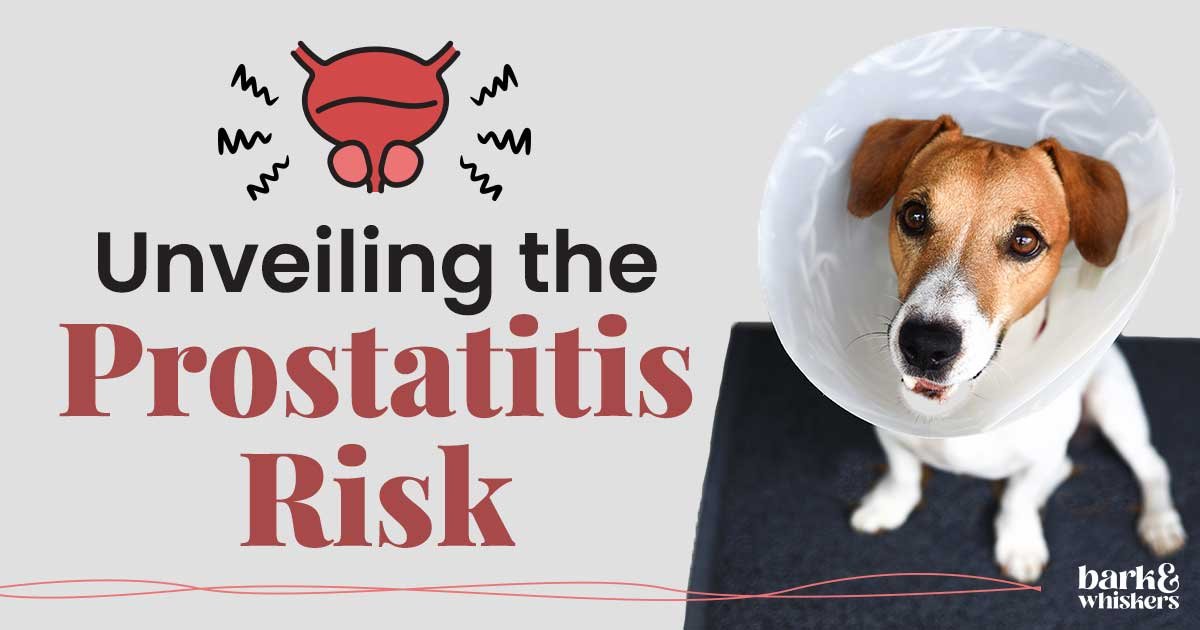
Prostatitis in dogs refers to inflammation or infection of the prostate gland, a health issue that’s most common in middle-aged and older dogs that aren’t neutered. The prostate gland is a reproductive organ that surrounds the urethra — the tube that carries urine out of the body — near the bladder.
It’s responsible for producing a significant portion of the fluid that makes up semen, which supports and transports sperm during reproduction. Prostatitis in dogs can be acute — meaning it comes on suddenly — or chronic, a long-term condition that develops gradually.
Either way, it’s important to get to the root cause of the issue to ensure your dog gets proper treatment, and relief from serious complications and symptoms.
What Are the Signs of Prostatitis in Dogs?
In acute prostatitis, the inflammation and related symptoms are typically severe and appear suddenly. This usually happens because bacteria, such as E. coli, have moved up from the urethra into the prostate. Bacteria such as Staphylococcus, Streptococcus and Pseudomonas can also cause prostatitis, as can:1
- Brucella canis — These bacteria can lead to a chronic type of prostatitis where inflammation occurs slowly and persists over time.
- Fungal infections — Fungi like Blastomyces, Cryptococcus neoformans and Coccidioides can spread throughout your dog’s body and reach the prostate, causing what’s known as granulomatous prostatitis. This is where the immune system tries to wall off the fungus with immune cells, leading to inflammation.
- Other organisms — Less commonly, organisms like Mycoplasma canis and Leishmania spp. can also cause prostate inflammation.
In some cases, an ongoing bacterial infection that has gone undetected can cause an abscess of the prostate, which may rupture.2 Symptoms of acute prostatitis in dogs may include:3
- Fever
- Loss of appetite
- Lethargy or depression
- Difficulty and pain when urinating or defecating
- Pain in the lower belly
- Blood in the urine
- Pain during rectal exams
- Swelling in the area around the genitals and back legs
- Frequent urination
- Limping
Chronic prostatitis is usually due to an underlying health condition, such as an enlarged prostate or prostate cancer,4 and can sometimes occur without any noticeable symptoms. In one study of 82 dogs diagnosed with prostatitis, 63% had acute prostatitis while 37% had the chronic variety. In 40% of the cases, abscesses were also found in the prostate.5
When symptoms do appear, they’re often vague and may include recurrent urinary tract infections, poor semen quality, infertility, decreased interest in mating and occasional discharge from the urethra.6 If you notice any of these symptoms, it’s important to see your integrative veterinarian to rule out potential prostate problems.
How Is Prostatitis Diagnosed and Treated?
While prostatitis is most common in male dogs over 9 years old who have not been neutered, it can also occur in younger dogs and those who are neutered. While signs related to the lower urinary tract are often seen with the condition, there may be no noticeable symptoms at all, which is why prostatitis is sometimes found by accident during other examinations.7
However, if prostatitis is suspected, your veterinarian may do a blood test to check for infection or a urine test to look for bacteria or blood. A biopsy of the prostate gland may also be done and your vet may analyze prostate fluid.
If a bacterial infection is present, antibiotics may be needed, although antibacterial resistance is common in prostatitis. According to one study, 27% of cultures from dogs with prostatitis were resistant to at least one antimicrobial drug, while 49% were resistant to two or more.8
For this reason, a bacterial culture is useful to be sure you’re giving your dog the most effective antibiotic and avoiding delayed effective treatment by knowing the antibiotic is actually working. In chronic prostatitis cases, conventional treatment usually involves anti-inflammatory medications and, if necessary, treatment to resolve an underlying enlarged prostate (benign prostatic hyperplasia, BPH). Older, intact male dogs can develop moderate to severe enlargement of the prostate that may be improved with conventional neutering because it removes the root cause, testosterone.
In these cases, there are no hormonal deficiencies, post neutering. This is important to note, as it’s not the case when puppies are desexed. If your adult, intact dog has recurrent prostate infections or progressing BPH, neutering is oftentimes curative. Our family neutered our family dog at 13 years of age for this reason, and he went on to live to 20 with no signs of hormonal imbalances because of his late-age neuter.
How to Prevent Canine Prostatitis
Many veterinarians will recommend early desexing (neutering) to reduce the risk of prostatitis, but this comes along with many adverse health effects. Whenever possible, dogs should be left intact, assuming the pet guardian is fully committed to and capable of preventing the dog from mating (unless the owner is a responsible breeder and that’s the goal).
Ensuring your dog leads a healthy lifestyle will naturally help prevent prostatitis. This includes feeding your pet (and your entire family) as much unprocessed, fresh food as you can afford. The top five types of recommended pet foods are a variety of nutritionally balanced, unprocessed (living) or minimally processed (frozen, freeze dried or gently cooked), whole food diets. It’s important to feed human grade, minimally processed, species-appropriate diets that are loaded with antioxidants that bolster immune defenses.
Fresh food diets will also help keep your dog at a healthy weight — another important factor in avoiding prostatitis. Regular daily exercise is also necessary. As a good rule of thumb, your dog should be getting a minimum of 20 minutes of sustained heart-thumping exercise at least three times a week — although most dogs can benefit from longer, more frequent sessions.
Your dog should also get annual wellness checkups with your integrative veterinarian, and visits every six months as he gets older. This will help identify any problems with the prostate gland early to avoid more severe symptoms and complications.
In this free guide, you’ll discover:
-
How your pet’s biology influences their nutritional needs -
Why conventional feeding advice often falls short -
Practical ways to choose better food for your dog or cat
View our Privacy Policy and Terms of Service.
