

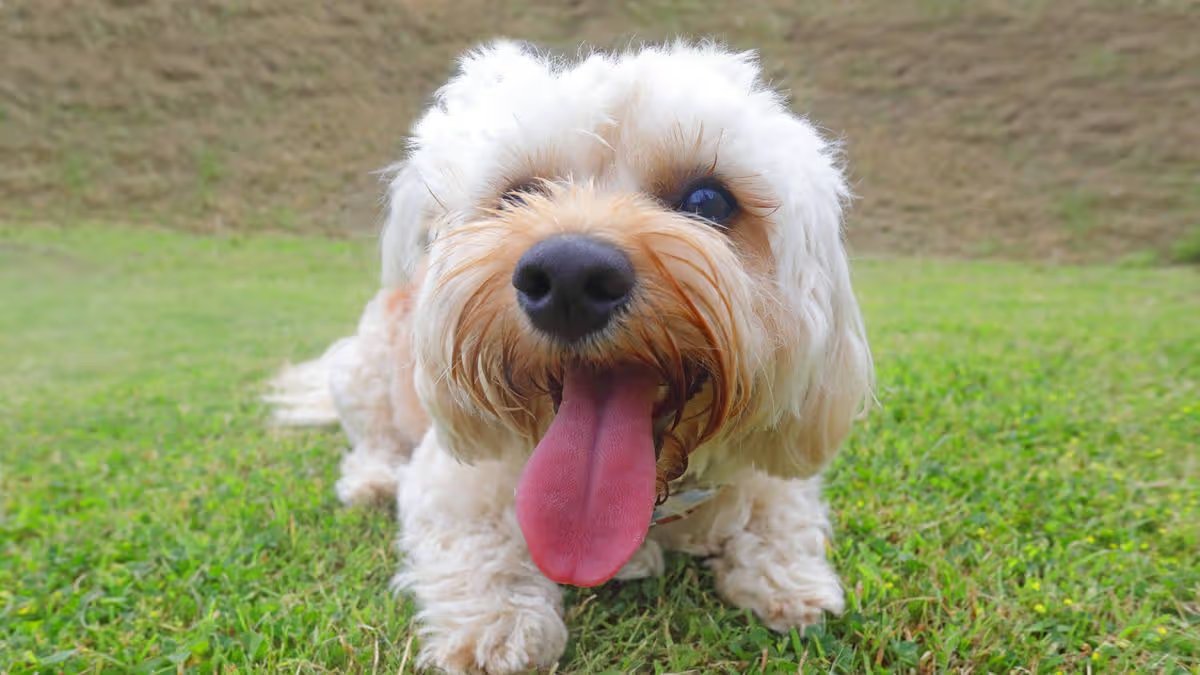
Protect your dog from dangers with these essential tips
07:39, 19 Jun 2026Updated 08:02, 19 Jun 2026
Millions of dog owners have been warned(Image: Peter Cade via Getty Images)
With temperatures in some parts of the UK set to reach 30C or more in the coming days, dog owners are being urged to make some all-important checks.
Owners are particularly being advised to look at three things in the garden, or risk putting their animals in potentially hazardous situations. Chris Maxted, director of dog gate supplier Dog-G8, warns that failing to prepare your outdoor spaces could put dogs at serious risk, while also highlighting other common garden hazards to watch out for.
He has shared a number of tips, one of which involves a “seven second” rule. Dogs can suffer from heat-related illness, and can even die from prolonged exposure, making it absolutely essential to look after your pets.
Here are Chris’ things to look out for during this heatwave:
No shady areas
“Shaded areas are a must, especially during summer, as dogs can overheat quickly. Temperatures above 20 degrees can increase the risk of heatstroke, with anything over 24 degrees posing serious risks.”
Surfaces prone to heat
“The surfaces in your garden matter just as much as the plants. Gravel can get stuck in paws, and tarmac heats up quickly, making it unsafe in hot weather. Even artificial grass can become too hot, so always use the seven-second rule”.
Place the back of your hand on the surface for seven seconds. “If it’s too hot for your hand, it’s too hot for your dog.”
Lack of outdoor shelter
“Dogs often enjoy being outdoors in different weather conditions, but if no one is home to let them inside, they should have access to a kennel or a safe sheltered area to keep them comfortable and protected.”
Other things all dog owners should watch out for:
An inadequately secured fence
“A secure fence is essential for keeping your dog safe and preventing escapes. The height of the fence should match the needs of your dog’s breed, as some dogs can easily jump several times their height.
“For most properties in the UK, fences up to two meters are usually allowed without planning permission, making this a good benchmark for a dog-proof garden. This will also help keep other unwanted visitors, such as rabbits and squirrels, out of your garden as well.”
Gaps in the fence
“Look closely for gaps your dog might squeeze through or dig under. Fence panels should be sunk well into the ground and sturdy enough to resist jumping or digging.”
A weak gate
“While a sturdy fence provides protection, the gate is often the weakest point in a garden’s security. A reliable locking mechanism that your dog cannot manipulate is important.
“For particularly determined or clever dogs, consider adding a secondary lock or even a motion-sensor alarm to make sure they stay safe.”
Unsupervised roaming indoors and out
“Having a retractable gate between your home and garden can provide added safety for your dog while giving them the freedom to enjoy the outdoors. This type of gate helps create a clear boundary, preventing your dog from wandering into areas like the kitchen, where potential hazards such as hot appliances or open cupboards could pose risks.
“It’s especially useful when you’re not home, as it keeps your dog safe in an enclosed environment without accessing spaces that might lead to accidents.”
Toxic plants and chemicals
“Stick to non-toxic plants like lavender, sunflowers, or calendula, and never use slug pellets, weed killers, or rat poison, as these are extremely toxic. Check that other products you use in your garden are safe, such as insect deterrents or water treatments.
“For added safety, place any potentially harmful plants in areas your dog can’t reach, such as hanging baskets or raised planters.”
