

As summer hits its stride, heatstrokes are becoming a growing concern
for pet parents. Unlike humans, dogs and cats have limited ways to cool
themselves down, making them especially vulnerable during heatwaves. From
excessive panting to dehydration and burnt paw pads, veterinarians warn that
seemingly minor symptoms can quickly escalate into a serious medical emergency
if ignored.
When does heat become dangerous for pets?
All pictures: Shutterstock
One of the first signs that a pet is struggling with the heat is a
change in behaviour. Excessive panting, unusual lethargy and a tendency to seek
out cooler surfaces — such as bathroom floors, damp corners or tiled areas —
often indicate that the animal is under heat stress.
“If you notice your pet spending more time on cool floors than usual, it
may be trying to regulate its body temperature,” said Kolkata-based
veterinarian Kaustav Basu.
Excessive panting is a red flag
Panting is normal, but persistent panting, despite being moved into a
cooler room, should not be ignored.
He advised pet parents to monitor whether their pet continues panting
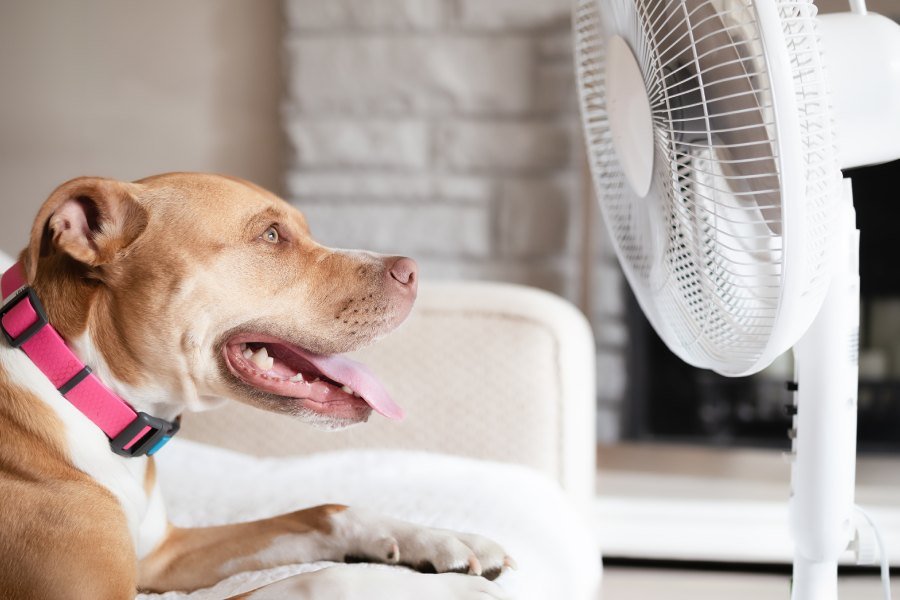
even after being placed under a fan or in an air-conditioned room. If the
tongue remains extended and the animal is unable to settle down, it could be an
indication that heat stress is progressing towards heatstroke.
In severe cases, body temperatures can rise above 104°F, turning the
situation into a medical emergency that requires immediate veterinary
intervention.
Why shaving your pet may not help
A common misconception among pet parents is that shaving a dog’s coat
during summer will help keep it cool.
However, for breeds such as Shih Tzus, Lhasa Apsos and Pekingese dogs,
the fur actually serves as insulation. The coat creates air pockets close to
the skin, helping protect the animal from excessive external heat.
Instead of shaving the coat completely, veterinarians recommend trimming
and regular grooming. Complete shaving may expose the skin to sunburn and other
heat-related injuries.
Avoid walks during the hottest hours
Taking pets outdoors between 8am and 6pm can significantly increase the
risk of heatstroke.
Besides direct exposure to sunlight, hot pavements can cause burns,
blisters and irritation on paw pads. Early morning or late evening walks are
safer options during the summer months.
Hydration is key
Dehydration often accompanies heat stress. Since pets cool themselves
largely through panting and salivation, they lose fluids rapidly during hot
weather.
Fresh drinking water should always be available. Experts-approved
electrolyte solutions may also help maintain hydration levels. However, experts
caution against giving glucose or sugar solutions unless specifically
recommended, as they may sometimes worsen the situation.
Flat-faced breeds need extra attention
Brachycephalic breeds — pets with short muzzles and flattened faces —
are among those most vulnerable to heatstroke.
Because of their narrow nasal passages, breeds such as Pugs, Bulldogs,
Shih Tzus and Persian cats have greater difficulty regulating body temperature.
Keeping them indoors, preferably in well-ventilated or air-conditioned spaces,
is strongly advised during extreme heat.
Don’t ignore the warning signs
Heatstroke can develop rapidly, but it is often preceded by clear
signals — excessive panting, lethargy, refusal to move, dehydration and a
constant search for cooler surfaces.
Recognising these symptoms early and taking prompt action can make the
difference between a temporary bout of heat stress and a life-threatening
emergency.
