

Last Updated: 16 May 2026, 03:42 PM IST
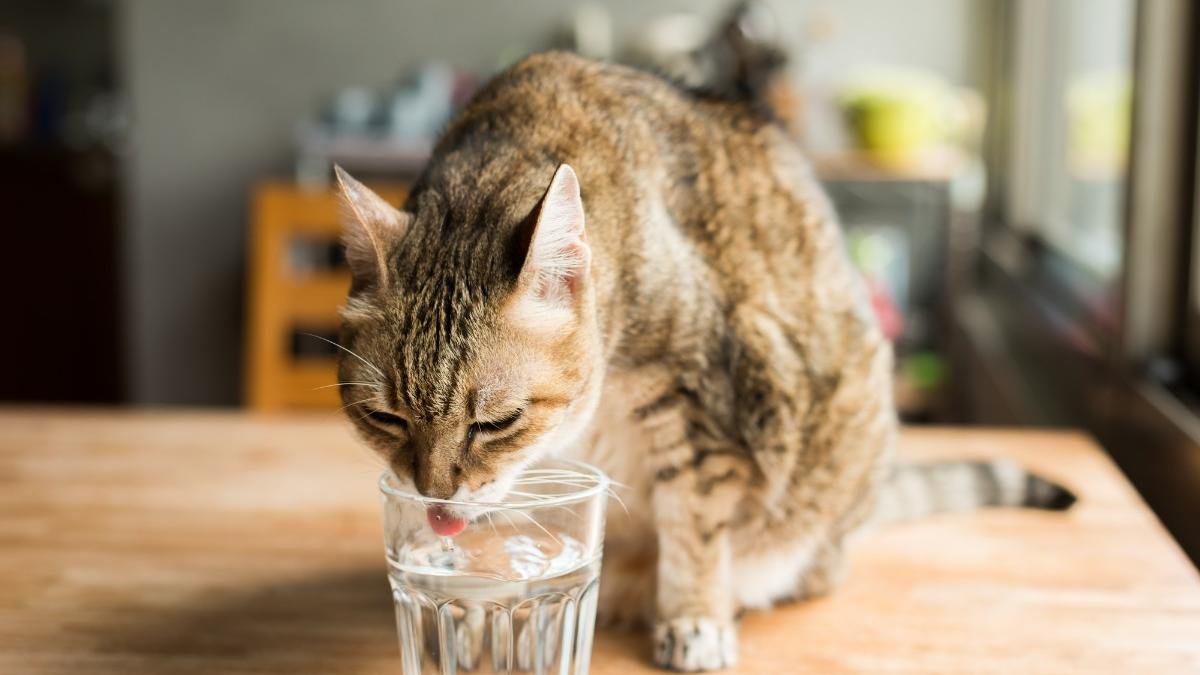
Cats naturally have a low thirst drive, making them highly prone to dehydration during hot summer months if water intake is not properly managed
Cats may look independent and low-maintenance, but when it comes to hydration, they are surprisingly vulnerable. Unlike many other pets, felines do not naturally drink large amounts of water throughout the day. This trait, combined with rising summer temperatures, can quietly turn dehydration into a real health risk for indoor cats. Experts often point out that most cats depend heavily on moisture from food in the wild, but domestic diets and indoor living change that balance completely.
Here is a closer look at why hydration matters so much and how pet parents can help their cats stay safe and comfortable during hot weather.
Why cats are naturally low water drinkers
By nature, cats have a low thirst drive. Unlike dogs, your feline friends do not eagerly drink water throughout the day. In the wild, cats often derive much of their required hydration and moisture from their prey, but your indoor cat does not have that advantage. This makes summer a genuinely risky season for them.
Cats roughly require about 50 ml of water per kilogram of body weight each day. During peak summer, when the heat becomes unbearable, this need only goes up. Water intake that is less than the required amount can result in dehydration and make your cat prone to various conditions like chronic kidney disease (CKD), Urolithiasis, and Urinary Tract Infections (UTIs), primarily due to concentration of urine or a slowed rate of toxic substance excretion from the body. So, it is imperative for pet parents to be proactive in ensuring their cat stays hydrated throughout the day.
Smart placement of water bowls makes a difference
Placement matters more than most pet parents realise. Keep water bowls in multiple spots around the house, especially near places where your cat likes to rest. Shaded corners, away from the food bowl (cats instinctively avoid water close to their food), are ideal. Refresh the water at least twice a day, as warm, stale water is a turn-off for most cats.
These small changes often make a noticeable difference in how much water your cat actually drinks without any pressure.
The right bowl can change drinking habits
Wide, shallow bowls work better than deep ones. Cats can dislike their whiskers touching the sides, so a narrow bowl can actually discourage drinking. A wide, shallow bowl also works well for some cat breeds like Persians, as they have flat snouts, which can make it difficult for them to drink if the bowl is deep and narrow.
Sometimes, something as simple as switching the bowl design can improve hydration habits almost immediately.
Water fountains and small tricks that help
It is also worth considering investing in a cat water fountain. The sound and movement of running water naturally draw them while keeping the water cooler and oxygenated. If your cat is reluctant, adding a few ice cubes to the bowl can help make it more appealing.
Many pet owners find that moving water sources encourage more frequent drinking compared to still bowls.
Wet food as a hidden hydration boost
One of the most effective ways to keep your cat hydrated during summer is to incorporate wet food into their daily diet. Wet food typically contains up to 80 percent moisture, meaning every meal actively contributes to your cat’s daily required water intake. This is particularly beneficial for cats that are reluctant water drinkers. If your cat is currently on a dry food diet, it is important to consider including wet food into their diet. But this has to be done gradually, to allow your feline friend to adjust without any digestive disruption.
This small dietary shift can play a major role in preventing long-term dehydration issues.
Warning signs pet parents should never ignore
Hydration is one of the primary requirements to keep your feline friend healthy and comfortable. But apart from keeping them hydrated, pet parents must learn to recognise signs of discomfort and dehydration in their cats.
Check for dry or sticky gums, vomiting, lethargy, sunken eyes, loss of appetite, and decreased skin elasticity regularly. If your cat shows any of these signs, contact a veterinarian promptly.
Published: 16 May 2026, 03:42 pm IST
Subscribe to our Newsletter
Get Latest Mathrubhumi Updates in English
Follow
Disclaimer: Kindly avoid objectionable, derogatory, unlawful and lewd comments, while responding to reports. Such comments are punishable under cyber laws. Please keep away from personal attacks. The opinions expressed here are the personal opinions of readers and not that of Mathrubhumi.
