

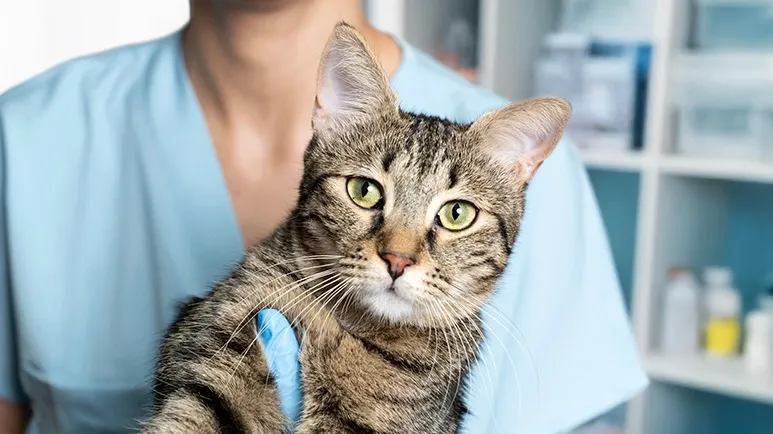
These three emergency conditions can cost up to $4,500, even in pets that aren’t injury-prone. The good news is that simple preventive steps can help pet parents avoid expensive emergencies.
STORY AT-A-GLANCE
- Cats aren’t nearly as likely as dogs to wind up in the emergency animal hospital, but it does happen occasionally
- One of the most common feline emergencies is a urinary obstruction that makes passing urine extremely difficult or impossible. This is a life-threatening situation that can be fatal within one or two days
- Another fairly common feline health crisis is congestive heart failure, which occurs in cats with both diagnosed and undiagnosed heart disease
- The third most common reason kitties are bought to the emergency room is acute kidney failure
- All health emergencies are stressful and costly, so taking steps to prevent a crisis with your pet is the best plan
Editor’s Note: This article is a reprint. It was originally published September 27, 2016.
Cats are much less likely than dogs to get an injury or illness that requires a trip to the emergency animal hospital. Because so many cats these days live indoors full-time, they aren’t exposed to the dangers and mishaps many dogs are.
In addition, kitties are extremely agile and naturally cautious, so they don’t tend to get into trouble indoors, either. With that said, there actually are a few feline health problems that are commonly seen at emergency animal hospitals.
In an interview with VetStreet, Dr. Amanda Duffy of the VCA South Shore Animal Hospital in South Weymouth, Massachusetts, discusses the top three kitty health crises she treats in her role as an emergency and critical care specialist.
No. 1 — Urinary Obstruction
A urinary obstruction occurs when clay-like material that has formed in your cat’s bladder won’t fit through the urethra, which is the tiny tube that transports urine from the bladder to the outside of the body. The blockage might be stones in the bladder, crystallized minerals or some other material.
Urinary obstructions are much more common in male cats than females because their urethras are longer and narrower. These blockages are not only extremely painful for the kitty, they are also life-threatening. Left untreated, a urinary obstruction can be fatal in one to two days.
Treatment involves a procedure to unblock the urethra, along with a urinalysis and urine culture, bloodwork and frequent monitoring of electrolytes. Either X-rays or an ultrasound will also be required to check for stones and other underlying disorders.
Most emergency veterinary hospitals suggest these kitty patients remain hospitalized and catheterized for 48 hours. Supportive measures may also be required, including pain management and IV fluids.
In very severe cases, typically involving male cats, or when a kitty is experiencing recurring blockages, corrective surgery may be recommended. Emergency treatment for urinary obstructions can be expensive. At Duffy’s hospital, it can range from $2,500 to $4,500 if surgery is required.
Prevention tips:
- Cats with feline lower urinary tract disease (FLUTD) need to drink more water and urinate more. Many cats don’t like to drink still water from a bowl, so consider a pet water fountain to encourage more drinking.
- It’s also important to offer your kitty a moisture-rich, anti-inflammatory (carb-free and grain-free) diet. Carbs can alkalize the urine, creating a ripe environment for struvite crystals to form. Cats eating dry food should be slowly transitioned to canned food, and then to a fresh, balanced and whole food diet.
Feeding your cat only dry processed food can make her chronically dehydrated and super concentrate her urine.
- It’s also extremely important to minimize environmental stress in the lives of kitties with urinary tract disorders. Environmental stressors can include a move to a new home, the birth of a baby, a divorce, a child leaving home for college or the addition of a new pet.
Depending on the environmental stressor, products such as Feliway, a calming pheromone spray for cats, may be recommended. Homeopathic remedies, including aconitum, are also available to help reduce stress. Additionally, Rescue Remedy is sometimes used to help support emotional balance in cats.
No. 2 — Congestive Heart Failure
Cats with heart disease such as hypertrophic cardiomyopathy (HCM), can suffer congestive heart failure requiring emergency veterinary care.
It’s important to know that kitties suffering from congestive heart failure don’t cough like people and dogs do. Instead, they tend to breathe through an open mouth, and there can even be some panting. They also have breathing difficulties during exertion.
Some cats with HCM and congestive heart failure have a hard time walking any distance without stopping to rest and recuperate.
Treatment for congestive heart failure typically involves hospitalizing your cat and placing him in an oxygen cage. Many kitties are lightly sedated to alleviate the significant stress they are experiencing.
Medications will be given to relieve the fluid accumulation in the chest. Some patients may also require a thoracocentesis, which is a procedure to remove fluid or air from around the lungs. Chest X-rays and an echocardiogram will be performed, along with bloodwork.
Treatment of a cardiac emergency such as congestive heart failure averages about $3,500 at Dr. Duffy’s hospital in Massachusetts.
Prevention tips:
- To help reduce the chance your kitty will acquire heart problems, feed a human-grade, meat-based diet and eliminate all fillers such as grains and unnecessary carbohydrates that offset the critical amino acids cats need for a healthy heart.
- Help your pet maintain a healthy body weight through regular aerobic exercise.
- Take excellent care of your pet’s dental health (bacteria from dirty mouths have been linked to heart valve infections).
- Talk to your holistic or integrative veterinarian about cardiovascular support supplements such as ubiquinol, amino acids (taurine, L-arginine and acetyl L-carnitine), hawthorn berries, d-ribose, TMG, heart glandulars and homeopathic and TCM formulas that specifically fit your pet’s symptoms.
- Ask your veterinarian for a proBNP test to check for early signs of heart disease. It’s a simple blood test that can provide the information you need to proactively manage your cat’s heart health.
No. 3 — Renal Failure
Kitties with chronic kidney disease can experience sudden acute kidney failure that requires emergency veterinary care. Other reasons the kidneys may suddenly fail include ingestion of a toxin and an infection or obstruction of the urinary tract.
When kidney failure is acute, symptoms appear suddenly and are often severe. The top three to watch for are vomiting, complete loss of appetite and marked lethargy. You might also notice your cat is straining to urinate with decreased urine production, is disoriented, or suffers weakness or loss of coordination.
Acute renal failure is a medical crisis that can be life-threatening, so urgent action is required to save your pet’s life. Your kitty will very likely need to be hospitalized and given IV fluids and medications depending on her symptoms. She’ll need routine blood pressure monitoring and diagnostic tests including bloodwork, a urinalysis and urine culture and an abdominal ultrasound. Emergency care for an episode of acute renal failure can run from about $2,800 to $4,500, according to Duffy.
Prevention tips:
- Insure your cat’s environment is feline-friendly. Make sure she as no access to poisonous houseplants, human medications, or other toxins.
- Provide her access to fresh, filtered drinking water at all times. Encourage her to drink with the use of a pet water fountain, or offering a special dish of bone broth or water mixed with the liquid from a can of tuna or cat food to make it more enticing.
- A diet high in excellent‑quality (human‑grade) protein and lower‑than‑normal amounts of sodium and phosphorus is generally advised. High‑quality protein is essential. If a cat relies on poor‑quality, hard‑to‑digest food, reducing the amount of low‑quality or toxic protein in the diet may be beneficial.
Darwin’s Intelligent Design is a prescription diet option formulated for cats with kidney disease. It is a grain‑free fresh‑food diet designed to support feline kidney health and can be fed lightly cooked or raw.
- B-vitamins can help with anemia, relieve nausea, and improve a kidney patient’s overall feeling of well-being.
- Antioxidants, L-carnitine and medium-chain triglycerides (coconut oil) can also be beneficial. Adding a source of blood-building supergreens, such as chlorophyll can help, along with detoxification support, such as dandelion and SOD (superoxide dismutase), if your kitty will consume it.
- Probiotics that contain specific kidney supportive strains such as Lactobacillus acidophilus, casei and plantarum, Streptococcus thermophilus, and Bifobacterium longum can also be extremely beneficial. These strains, which support healthy urea metabolism, are available in “kidney-specific” products, as well as OTC probiotics, so read labels carefully.
- Feline Renal Support by Standard Process can also be very helpful, as well as phosphorus binders and sodium bicarbonate, if appropriate. Your holistic or integrative veterinarian can help you decide if these are indicated based on your cat’s specific situation.
- Finally, consistent, vigilant monitoring of a cat’s organ systems is recommended, with the goal of identifying risks and subtle changes well before kidney failure develops.
In this free guide, you’ll discover:
-
How your pet’s biology influences their nutritional needs -
Why conventional feeding advice often falls short -
Practical ways to choose better food for your dog or cat
View our Privacy Policy and Terms of Service.
