

STORY AT-A-GLANCE
- Pears contain four main phenolic compounds: chlorogenic acid, arbutin, epicatechin and rutin, which act as strong antioxidants and are abundant in the fruit’s flesh and skin
- These phenolic compounds have been found to help protect your pets from chronic diseases, such as cardiovascular disease, as well as enhance their immune system. They also have anticarcinogenic, antimutagenic and antibacterial properties
- Pears may help boost your pet’s immune function, thanks to vitamin C, which combats free radical damage and protects the immune system, and vitamin A precursors (beta-carotene), which enhance immune function by inhibiting inflammation
- Pears contain high levels of fiber, which is important for promoting the metabolic and digestive health of your pets
- When feeding pears to your pets, be sure to cut them into small pieces to avoid any choking hazards
Editor’s Note: This article is a reprint. It was originally published March 25, 2021.
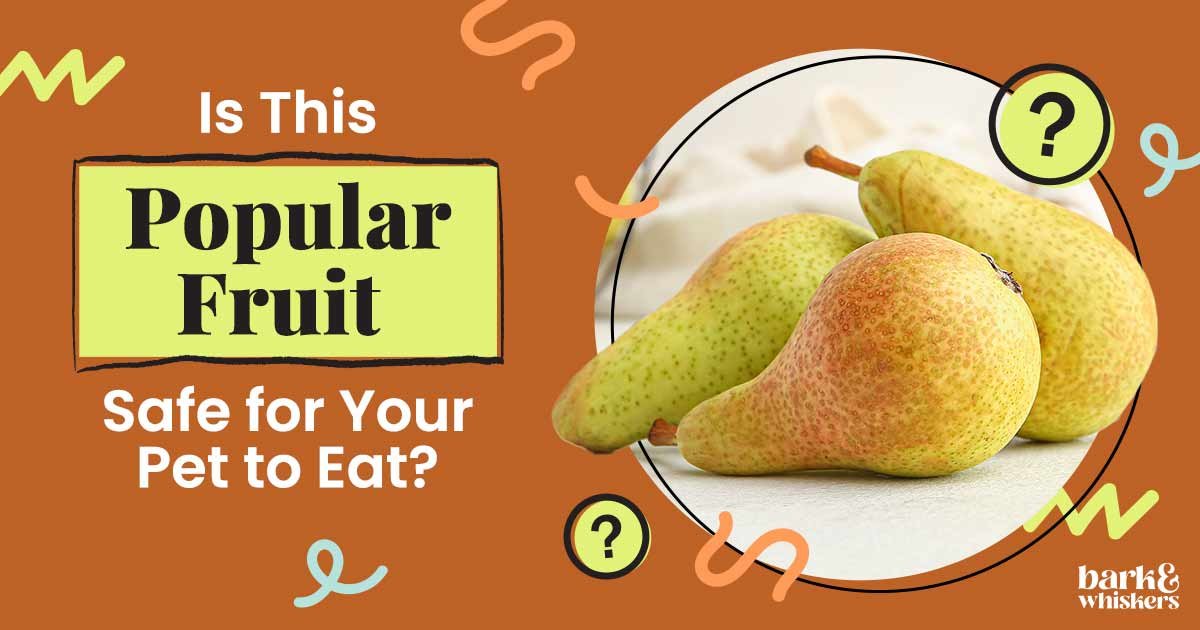
The pear (Pyrus communis or Pyrus pyrifolia) is a fruit popular for its juicy, sweet taste. It’s a relatively old fruit, with dried slices of pears unearthed in Swiss cave dwellings during the Ice Age. This means that pears — or a prehistoric equivalent of pears — were enjoyed by our early ancestors. Pears are also widely documented in historic writings, from Homer’s “The Odyssey” and Pliny the Elder’s “Historia Naturalis” to Leonardo Da Vinci’s “Codex Arundel.”1
For hundreds of years, pears have been valued in human health for their anti-inflammatory, antihyperglycemic and diuretic properties.2 But pet owners will be pleased to know that their furry friends may also benefit from this fruit — as long as you give them fresh fruits and not the canned variety.3
The juicy and sweet flavor of pears make them ideal and healthy treats for your pets. Not only will your furry buddies enjoy the taste, but they’ll also get a surplus of nutrients in every crunchy bite. Read on to learn more about pears’ benefits for pets.
Where Do Pears Grow?
Pear trees tolerate a wide range of climatic conditions, from temperate to subtropical. This means that pears can thrive in various countries, mostly depending on the type of soil and hydration levels.4 The three top annual producers of pears are:5
- China — 16 million tons
- Italy — 718,721 tons
- U.S. — 707,054 tons
Pears’ Phenolic Compounds May Help Ease Oxidative Stress
“Pears contain four main phenolic compounds: chlorogenic acid, arbutin, epicatechin and rutin. These four act as strong antioxidants and are abundant in the fruit’s flesh and skin.”
Phenolic compounds have been found to help protect your pets from chronic diseases, such as cardiovascular disease, as well as enhance their immune system.6 Additionally, they have anticarcinogenic, antimutagenic and antibacterial properties.7
Chlorogenic acid is one of the most abundant phenolic compounds in the human diet and has been found to have protective properties against chronic diseases such as diabetes, cardiovascular disease and cancer. This is due to its effect on lipid metabolism and intracellular glucose regulation. A 2013 review found that chlorogenic acid works by reducing plasma glucose, stimulating insulin release and inhibiting fat absorption.8
Arbutin, a hydroquinone derivative, may help fight inflammation by decreasing toxic substances generated by neutrophils. A 2014 study found that arbutin helps diminish tissue damage by reducing the levels of reactive oxygen species in the body.9
Epicatechin, a flavonoid also found in green tea, may help preserve muscle strength during aging by increasing markers required for muscle growth.10 In addition, epicatechin has been found to have antianxiety and mood-modulating effects by regulating neurotrophic pathways.11
Lastly, rutin, which is a citrus flavonoid glycoside, functions as a natural antioxidant, antibacterial, anti-spasmodic and cytoprotective agent.12 This has also been linked to beneficial effects on colitis, with rutin increasing glutathione levels and reducing oxidative stress in the colon, facilitating faster colonic healing.13
Note that most of these phenolic compounds are abundant in pear peels, with a 2014 study from Food Chemistry noting that you can get about six to 20 times more phenolics and flavonoids in the peel than in the fruit’s flesh. So if you’re trying to get the most out of this fruit, skip peeling and give your pets a few bite-sized chunks with the peel on.14
Fun Facts About Pears
In different cultures, pears are used to symbolize sacred concepts, such as love, justice and fertility. In Egypt, pears were sacred to Isis, the goddess of healing and magic,15 while in China, it symbolizes longevity, purity and wisdom. In many cultures, pears also symbolize the human heart, thanks to their resemblance in shape.16
Enhance Immune Function with Vitamin C and Beta-Carotene
Pears may help boost your pet’s immune function, thanks to both vitamins C and A (precursors). As a potent antioxidant, vitamin C combats free radical damage and protects the immune system, while vitamin A precursors (beta-carotene) enhance immune function by inhibiting inflammation.17,18
But the benefits do not end there. Vitamin C is responsible for activating folic acid, converting cholesterol to bile acids and producing serotonin, while beta-carotene is responsible for maintaining eye health and promoting growth and development. For nutritional content, your pets can get 0.375 milligrams of vitamin C and 2 IUs of beta-carotene for every tablespoon of fresh pears.19,20
Pears Also Provide Fiber to Your Pets
Pears contain high levels of fiber, which is important for promoting the metabolic and digestive health of your pets.21 Fiber works in your pet’s digestive tract by helping to regulate the gut microbiota, which in turn contributes to the maintenance of intestinal barrier integrity and immunity.22 If your dog or cat has been suffering from a mild case of gastrointestinal discomfort, ingesting fiber from fruits like pears may help alleviate the symptoms by modulating transit time and optimizing digestion.23
A Good Reason to Choose Organic Pears
Pears rank No. 10 on the Environmental Working Group’s “Shopper’s Guide to Pesticides in Produce Dirty Dozen” list,24 so make sure to choose organic or “spray-free” pears to minimize exposure to harmful pesticides while getting the most nutrition out of these fruits.
What’s more, in a 2002 study from the Journal of Agricultural and Food Chemistry, researchers found that organic pears contained significantly higher levels of polyphenols and antioxidants than fruits that were conventionally grown.25 So if you’re after the nutrients, then going organic will give you more value for your money.
Did You Know?
Pear fruits don’t ripen well on the tree. This means that the ripe fruits you’re getting are harvested and hand-picked when they’re fully grown but not yet ripe. To facilitate ripening, pears are kept at room temperature until they’re slightly soft, and then kept refrigerated to slow down the process.26
Here’s How to Give Pears Safely to Pets
When feeding pears to your pets, be sure to cut them into small pieces to avoid any choking hazards.27 Feed pears in moderate quantities, so you can sidestep the damaging effects of excessive fructose.28,29 Opt for fresh fruits instead of canned pears submerged in sugary syrup.30
One common concern some pet parents have about pears is the cyanide found in the seeds,31 similar to apples. However, you shouldn’t worry — your pet will not experience any adverse reaction unless they chew and consume an excessive number of seeds.32
Misinformation about many healthy fruits, vegetables, nuts and seeds abounds on the internet. This is because websites have labeled all risks (such as the risk of over-consumption causing gastrointestinal issues, or choking on too large of pieces or pits) as “toxicities,” which isn’t true but has managed to confuse millions of pet lovers, nonetheless. However, to err on the side of caution, it’s best to remove the core and seeds before feeding pets this fruit.
For cat owners, know that your kitties are carnivorous and chances are your cats won’t be interested in eating fruit of any kind. If your cat shows an interest in pears, they are safe to share with your cat in small quantities, no more than 10% of their daily diet.33
Remember that while human foods like pears are a healthy addition to your pet’s diet, you should only give them as treats or snacks. Pears and other types of snacks should only constitute less than 10% of your pet’s daily caloric consumption to ensure that they’re getting enough essential nutrients to support their overall health.
- 1,15,16 The Pear in History, Literature, Popular Culture, and Art
- 2 Nutr Today. 2015 Nov 23;50(6):301–305
- 3,30 American Kennel Club, March 26, 2024
- 4 Pear – Soil, Climate, Planting, Varieties […], (Archived)
- 5 Nation Master, Top Countries in Pears Production
- 6,14 Food Chem. 2014:152:531-8
- 7 International Journal of Food Properties, 2015, Volume 18, Issue 3
- 8 Evid Based Complement Alternat Med. 2013 Aug 25;2013:801457
- 9 Interdiscip Toxicol. 2015 Mar 4;7(4):195–200
- 10 J Nutr Biochem. 2013 Oct 18;25(1):10.1016/j.jnutbio.2013.09.007
- 11 Translational Psychiatry 5, e493 (2015)
- 12 Pharmacology, Toxicology and Pharmaceutical Science, Rutin 2019
- 13 Polyphenols in Human Health and Disease, Volume 1, 2014, Pages 655-663
- 17 Indian J Clin Biochem. 2013 Sep 1;28(4):314–328, Abstract
- 18 J Clin Med. 2018 Sep 6;7(9):258, Abstract
- 19,20 USDA FoodData Central, Pears, Raw
- 21 Nutrients. 2018 Feb 28;10(3):275, Dietary Fibers
- 22 Nutrients. 2020 Mar 23;12(3):859, Introduction
- 23 Nutrients. 2018 Feb 28;10(3):275, Introduction
- 24 EWG’s 2025 Shopper’s Guide to Pesticides in Produce, The Dirty Dozen™
- 25 J. Agric. Food Chem. 2002, 50, 19, 5458–5462
- 26 The Fruit Guys, July 2, 2012 (Archived)
- 27 American Kennel Club, August 30, 2023
- 28 Nutr Today. 2015 Nov 23;50(6):301–305, Abstract
- 29 Nutrients. 2017 Apr 20;9(4):405, Abstract
- 31 AGRES – An International e-Journal, (2014)Vol. 3, Issue 3: 202-216 Abstract, (Archived)
- 32 Dog Health Coach, Can Dogs Eat Pears?
- 33 National Research Council of the National Academies, 2006 (Feeding Practices)
In this free guide, you’ll discover:
-
How your pet’s biology influences their nutritional needs -
Why conventional feeding advice often falls short -
Practical ways to choose better food for your dog or cat
View our Privacy Policy and Terms of Service.
