

STORY AT-A-GLANCE
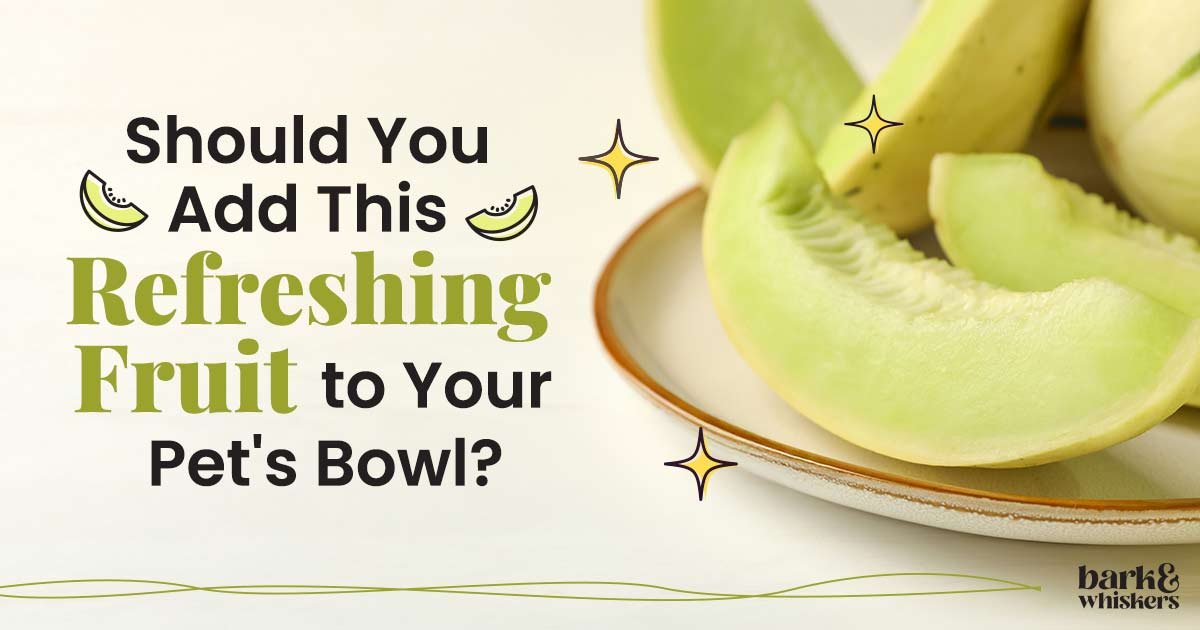
- A close relative to cantaloupe, honeydew melons are known for their smooth, light-colored rind and green flesh
- According to the American Society for the Prevention of Cruelty to Animals (ASPCA), honeydew melons are safe for cats and dogs, and even for horses
- Honeydew melons contain considerable levels of vitamins A and C, as well as important polyphenols and flavonoids
- The orange-fleshed honeydew variety contains high levels of beta-carotene
- As much as possible, buy organic honeydew to avoid exposing your pets to trace amounts of pesticides and synthetic fertilizers used in conventional farming
Editor’s Note: This article is a reprint. It was originally published January 29, 2019.
The honeydew melon is a close relative to cantaloupe, both belonging to the same species of Cucumis melo. While cantaloupes are known for their netted rind and orange flesh, honeydew melons have a smooth, light-colored rind and light green flesh. The nutritional components of honeydew are also very similar to cantaloupes, with both having high fiber content and phenolic phytonutrients.1
With the juicy and refreshing taste of honeydew, you’ve probably eaten it to help cool down on a hot summer day. But if you’re a pet parent, you’re probably curious as to whether or not you can feed it to your dogs as treats.
Where Does Honeydew Grow?
Honeydew melons are native to West Africa but have been cultivated around the world. Today, the three top producers of honeydew are:2
- China
- Turkey
- U.S.
In the U.S., California leads as the main honeydew producer, making up almost 33% of the total acreage of honeydew and cantaloupe cultivation in the country.3
Yes, Honeydew Is Safe for Pets
The good news is that honeydew is a safe treat for pets. According to the American Society for the Prevention of Cruelty to Animals (ASPCA), honeydew melons are safe for cats and dogs, and it categorizes them as nontoxic even to horses.4 They contain important nutrients like beta-carotene and vitamin C, and trace amounts of choline and folate.5
Hence, honeydew melons can be given as pet treats or as an addition to their nutritionally balanced, species-appropriate meals. However, remember that all treats combined should make up less than 10% of their daily caloric intake.
Did You Know?
Next to watermelon and cantaloupe, honeydew is the third most popular melon in the world. This comes as no surprise since honeydew is considered the sweetest out of all its relatives in the Cucumis melo species.6
Fight Off Oxidative Damage with Vitamin C
Honeydew melons contain considerable levels of vitamin C, an essential nutrient that functions mainly as an antioxidant. A two-tablespoon serving of this fruit provides 3.82 milligrams.7
The vitamin C in honeydew will help your pets combat free radical damage, neutralize toxins and curb inflammation in the body.8 In some cases, vitamin C is also used to fight sepsis, a life-threatening condition that can lead to organ dysfunction.9 Vitamin C also plays an important role in collagen production in the body, without which the integrity of your pet’s skin, mucous membranes, blood vessels and bones may become compromised.10
Honeydew Is Rich in Polyphenols and Flavonoids
Aside from the antioxidant properties of vitamin C, honeydew is also loaded with other free radical-scavenging polyphenols and flavonoids.
In a 2020 study from BioMed Research International, researchers investigated the possible effects of honeydew extracts on cancer and other conditions. Honeydew extracts from the whole fruit showed high levels of secondary metabolites that may have a significant effect on neuronal disease, cardiovascular conditions and different types of cancers.11
Support Eye Health with Honeydew’s Beta-Carotene
A two-tablespoon serving of honeydew contains 6.37 micrograms of beta-carotene, a precursor of vitamin A, a fat-soluble nutrient that’s crucial for maintaining eye health, epithelial barrier integrity and immune function. According to a 2013 study from Clinical Interventions in Aging, beta-carotene is one of the essential nutrients needed to support the aging eye, along with zinc, lutein, zeaxanthin and omega-3s.12
For immune health, beta-carotene is especially important in a range of processes important for disease prevention, in both innate and adaptive immunity. With adaptive immunity, vitamin A modulates the production of both T cells and B cells, while with innate immunity it contributes to barrier regeneration and natural killer cell functioning.13
The orange-fleshed honeydew variety also contains high levels of beta-carotene. In fact, a 2011 study published in the Journal of Agricultural and Food Chemistry notes that this type of honeydew is comparable to carrots when it comes to its beta-carotene content, making it a good choice for pet parents if they’re looking to boost their pet’s vitamin A levels.14
Fun Fact About Honeydew
While the most common type of honeydew has bright green flesh, there’s also a variety that comes with bright orange flesh. This is often referred to as the “temptation melon” or “orange-fleshed honeydew.” A cross between the honeydew and the cantaloupe, temptation melons get the best of both fruits: the sweetness of honeydew and the creaminess of cantaloupes.15
How to Safely Feed Honeydew to Your Pets
“Organically grown fresh fruits can be a good addition to a nutritionally balanced, species-appropriate diet.”
As long as you feed honeydew in reasonable amounts, you won’t need to worry about overconsumption risks, including loose stools from too much fruit. Try giving them a few bite-sized pieces (remember to slice in smaller servings if you have a small breed dog) as healthy treats, or grate and add as toppers to their nutritionally balanced meals.
Remember that misinformation about many healthy fruits, vegetables, nuts and seeds abounds on the internet. This is because websites have labeled all risks, such as the risk of overconsumption causing gastrointestinal issues, or choking on too large of pieces or pits, as “toxicities,” which isn’t true but has managed to confuse millions of pet lovers, nonetheless.
When it comes to online warnings about honeydew, too much can cause loose stools, and the rind can be a choking risk, so always remove the tough shell and seeds prior to feeding.
Here’s Why Spray-Free Honeydew Is a Good Choice
When choosing honeydew from the farmers market or grocery store, choose organic, “spray-free” produce, if possible, to make sure that you’re not exposing your pets to trace amounts of pesticides. Ideally, get your produce from trustworthy sources that don’t use any type of synthetic chemicals during cultivation.
Fortunately, honeydew melons are found in the lower ranks of the Environmental Working Group’s 2024 Shopper’s Guide to Pesticides in Produce — coming in at No. 39 — meaning these fruits contain relatively small amounts of pesticides and fertilizers that may negatively affect your pet’s health.16
Honeydew Is a Perfect Refreshing Treat for Pets
The juicy, sweet taste of honeydew can be enjoyable for your pets, especially during hot days. If you’re looking for a refreshing treat, honeydew is a perfect option, especially with the surplus of nutrients it can offer your pets. From beta-carotene to vitamin C, to the active polyphenols and flavonoids, honeydew may help bolster your pet’s ability to fight off infections and inflammation.
Just make sure you give it in moderate amounts and in bite-sized pieces. As mentioned, healthy treats like honeydew should make up less than 10% of your pet’s daily caloric intake.
- 1 University of Arkansas System, Division of Agriculture
- 2 University of Arizona, Honeydew Melons (Archived)
- 3 Agricultural Issues Center, University of California, 2006 (Archived)
- 4 ASPCA, Honeydew Melon
- 5,7 USDA, FoodData Central, Melons, Honeydew, Raw
- 6 Wisconsin Department of Public Instruction, Honeydew
- 8,10 StatPearls, Vitamin C (Ascorbic Acid), May 1, 2023
- 9 Nutrients. 2020 Jan 22;12(2):292
- 11 Biomed Research International, 2020
- 12 Clin Interv Aging. 2013 Jun 19;8:741–748
- 13 StatPearls, Vitamin A, February 19, 2025
- 14 J. Agric. Food Chem. 2011, 59, 9, 4448–4454
- 15 Delighted Cooking, May 16, 2024
- 16 EWG, 2024 Shopper’s Guide to Pesticides in Produce™
In this free guide, you’ll discover:
-
How your pet’s biology influences their nutritional needs -
Why conventional feeding advice often falls short -
Practical ways to choose better food for your dog or cat
View our Privacy Policy and Terms of Service.
