

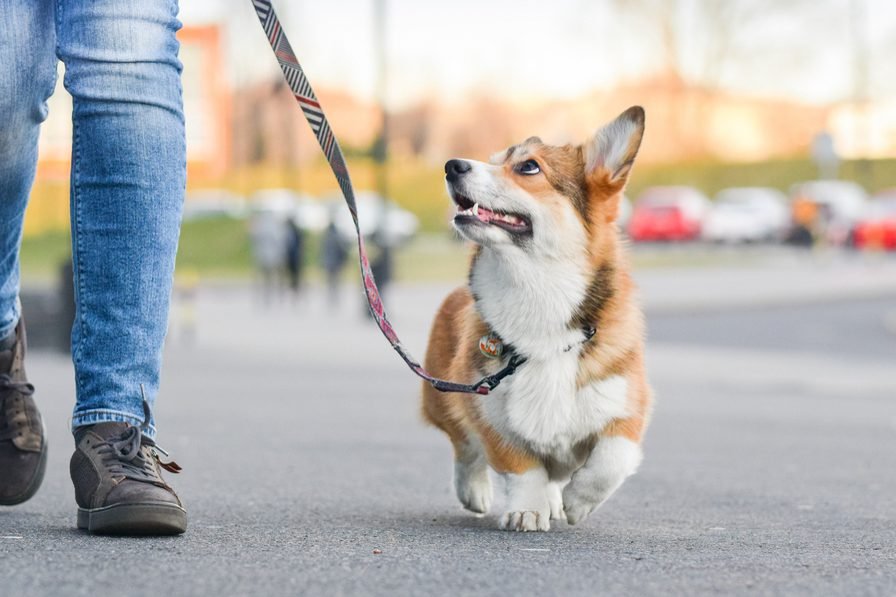
Loose-leash walking training for dogs is often the reason walks feel frustrating instead of enjoyable. Many owners imagine peaceful walks, only to end up being pulled down the street. Dogs choke themselves on collars or drag their owners toward every smell. These problems are common, but they are not inevitable.
Loose-leash walking is not a personality trait. It is a skill.
Why Walks Feel So Hard Even for “Good” Dogs
Many dogs behave well at home but struggle the moment the leash goes on. This surprises owners and creates frustration. The problem usually is not disobedience.
Dogs experience the outside world very differently than people. Walks are full of powerful smells, moving objects, sounds, and social information. For dogs, this sensory input can feel overwhelming.
When a dog pulls and still reaches something interesting, pulling works. Dogs repeat behaviors that get results. Over time, pulling becomes the default walking strategy.
The Leash Changes Everything for Dogs
Leashes limit movement without explaining expectations. Dogs feel pressure, but pressure alone does not teach understanding. Without guidance, dogs simply move harder in the direction they want.
Tension on the leash often creates more tension in the dog’s body. Excitement increases. Frustration builds. Thinking decreases.
Loose-leash walking training helps dogs understand how movement works instead of reacting against restraint.
Why “Just Let Them Sniff” Isn’t the Whole Answer
Sniffing is important and healthy for dogs. Allowing sniffing does not cause pulling. Confusion causes pulling.
Dogs benefit when they understand when sniffing happens and how to access it. Without structure, dogs pull continuously in hopes of reaching the next smell.
Loose-leash walking training teaches dogs that sniffing is available through calm movement. This clarity reduces frustration and pulling.
The Role of Connection During Walks
Successful walking is not about position. It is about connection.
Connection means the dog can notice the handler even while engaged with the environment. This does not require constant eye contact. It requires awareness.
Dogs who feel connected can adjust their movement. Dogs who feel disconnected move independently.
Loose-leash walking training strengthens this connection through timing and reinforcement, not force.
Small Choices Matter More Than Perfect Steps
Many owners look for perfect walking form. Dogs do not learn that way.
Dogs learn through small choices. A loose leash for one step matters. A brief check-in matters. Slowing down matters.
Reinforcing these moments builds understanding. Over time, small choices stack into consistent behavior.
Loose-leash walking improves when handlers reward progress, not perfection.
Why Walks Break Down Around Distractions
Distractions change how dogs process information. Excitement narrows focus. Movement speeds up. Dogs struggle to slow themselves down.
Without practice, dogs default to pulling through distractions. This does not mean they are ignoring their handler.
Loose-leash walking training prepares dogs for distractions gradually. Dogs learn how to recover attention instead of losing control.
How Structured Practice Makes Walks Easier
Many owners only practice walking during real walks. That makes learning harder.
Dogs learn best when skills are introduced in calmer settings. Once understanding improves, those skills transfer to more challenging environments.
This structured approach allows dogs to succeed without pressure. Confidence builds before difficulty increases.
Why Loose-Leash Walking Improves More Than Walks
Loose-leash walking training affects more than leash skills. Dogs who learn to move calmly also regulate emotions better. Recovery from excitement improves.
Handlers gain confidence and clarity. Communication improves. Frustration decreases.
Walks stop feeling like a battle and start feeling cooperative.
What Progress Actually Looks Like
Progress does not mean zero pulling overnight. Progress means shorter pulling moments, faster recovery, and clearer communication.
Dogs improve when expectations stay consistent. Handlers improve when they notice success.
Loose-leash walking training is a process, not a quick fix.
Why Loose-Leash Walking Training for Dogs Is Worth the Effort
Loose-leash walking training for dogs creates habits that last. Dogs who understand how to walk calmly adapt better to new places and routines.
This foundation supports future learning and real-life reliability. It also protects the relationship between dogs and their people.
When walking becomes predictable and calm, everyday life feels easier for everyone involved.
