

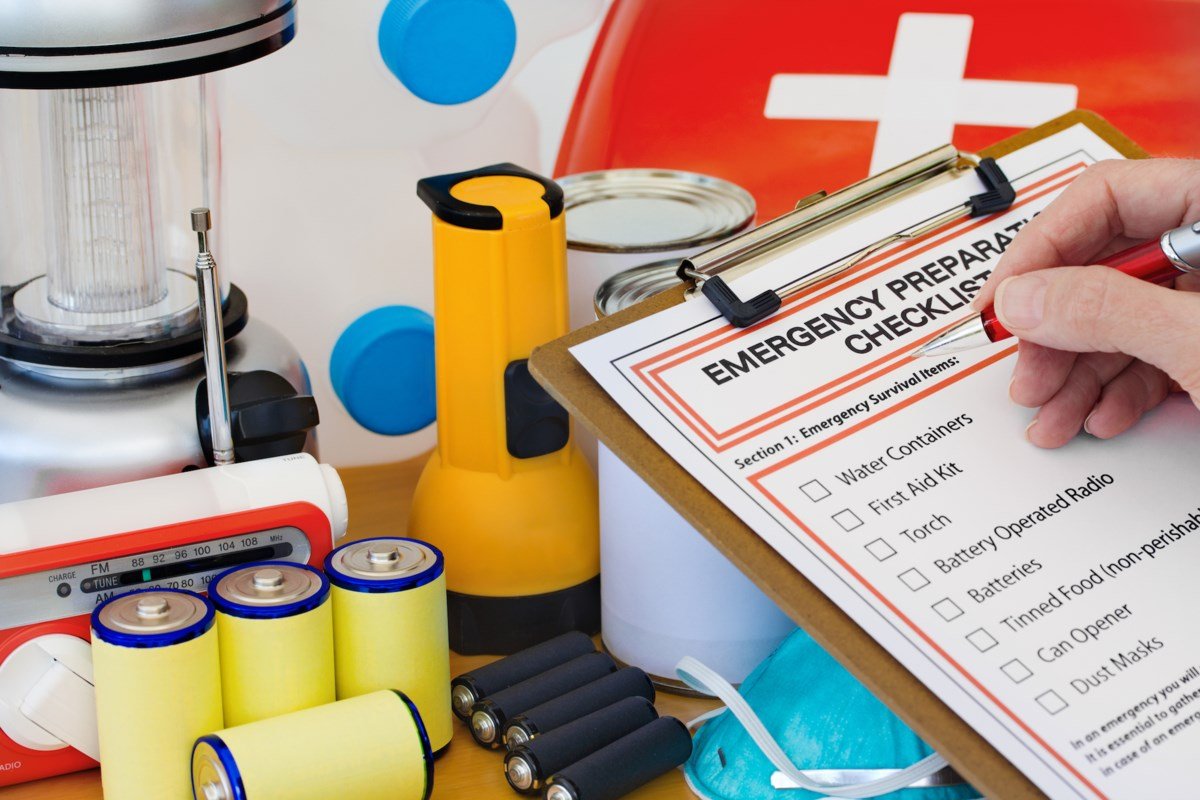
As part of Emergency Preparedness Week, Huron Shores is promoting the national Emergency Kit Challenge, inviting residents to share how they’re getting ready
Emergencies happen. They are hard to anticipate, but that doesn’t mean people can be unprepared for them.
During Emergency Preparedness Week last week (May 3-9), the Municipality of Huron Shores offered challenged residents to build 72-hour emergency kits. Greater Sudbury didn’t run a similar challenge, but the city website does offer information and resources for building your own emergency kit or evacuation kit.
The idea behind the kits is to have a ready resource should you or your family have to make do in the event of severe weather, flooding, power outages and other community emergencies. Having a kit ready can save time in the event of an emergency and help minimize the stress involved.
The city recommends a basic 72-hour emergency kit to include:
- GO Bag Evacuation Kit
- Water (at least 4 litres of water per person per day for drinking, cooking, and cleaning)
- Non-perishable food
- Manual can opener
- Sleeping bag / blanket
- Change of clothing (seasonally appropriate)
- Garbage bags (for disposal of used items)
- Toilet paper
- Safety gloves
- Basic tools (hammer, pliers, wrench, screwdriver)
- Dust mask
- Activities for children (books, cards, toys)
What is a GO Bag, you might be wondering?
“If you are asked to evacuate your home due to a large-scale emergency, it could be a while before you can return,” the city says on its website. “Every person in your household should have their own Go Bag tailored especially for them with the things they will personally need. Go Bags should be compact and easy to carry so you can quickly grab them and evacuate.”
The evacuation bag should include:
- Flashlight and batteries
- Whistle (three blows is the international signal for distress)
- Radio (battery-powered or wind-up)
- Extra batteries
- First Aid Kit
- Your Family Emergency Plan
- Photocopies of personal documents (birth certificate, health card, insurance policies
- Special needs items (prescription medication, spare eye glasses, hearing aids, infant formula, mobility equipment)
- Personal care supplies (toothbrush, toothpaste, soap, deodorant)
- Extra set of keys
- Cash
It is important to check your kits twice a year and tailor what’s included to the upcoming seasons. Replace batteries, water, and food to ensure items remain fresh and ready for use.
For more information, including how to build an emergency kit to keep in your vehicle, an emergency kit for people with disabilities or special needs or a kit for a pet, visit the emergency preparedness page of the City of Greater Sudbury website.
