

Among the many things I do in the animal welfare field, the one closest to my heart is humane education.
A few years ago, I helped launch a humane education program in Fort Worth elementary schools. Since then, it has reached more than 37,000 students, teaching pet care, animal behavior and dog safety. The goal is simple: Help children recognize dog and cat body language and make safer, more responsible choices around animals.
ANIMALS MATTER: Why your cat sounds different
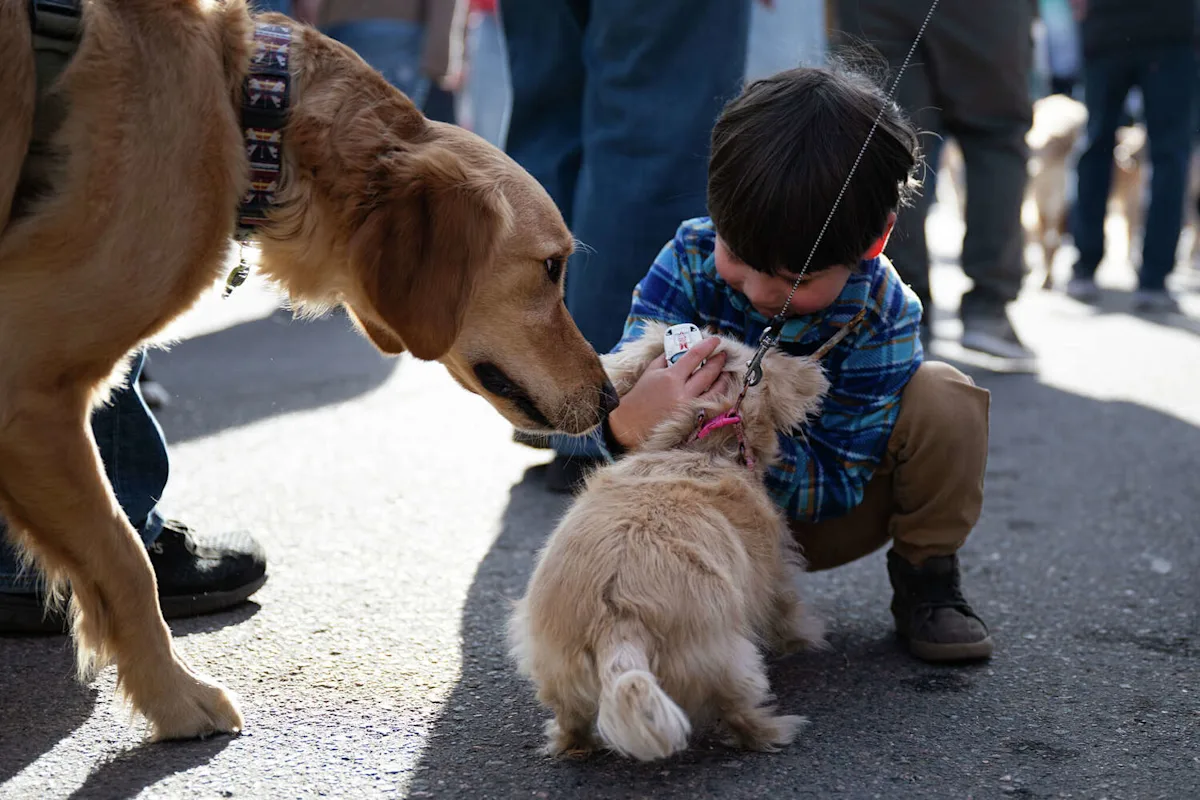
Teaching children to read dog and cat body language can help them make safer choices around animals. (Timothy Hurst/Timothy Hurst/MediaNews Group/The Denver Post via Getty Images)
When the program first launched, we surveyed students and asked, “Have you ever been bitten by a dog?” More than 60% said yes. That number sounds alarming, but it isn’t what you think. We know most of those children were not truly bitten. Instead, they had likely been snapped at, startled by a growl or frightened by flashing teeth. In a child’s mind, that experience becomes a “bite.”
Still, the concern is real. According to the Centers for Disease Control, children between the ages of 5 and 12 are the most common victims of dog bites. And the dog most likely to bite? One they already know, like their own pet or a family member’s dog.
So, the real question for parents becomes: Are your children learning how to speak “dog” and “cat”? Because if a dog or cat snaps or bites, there are almost always warning signs first. Dogs may lick their lips, yawn, stiffen or turn away. Cats may flick their tails, flatten their ears, crouch, hiss or swat before escalating.
When my son was young, I had a rule: When his friends came over, our dog and cats stayed with me. The cats avoided the chaos on their own, but our dog always wanted to join in. The boys, ages 5 to 8, were loud and active, and I couldn’t expect them to recognize subtle canine body language signals.
But even with vigilance, it only takes seconds for something to go wrong.
One afternoon I heard the boys burst into the house. As I headed over to get Rocky, I heard him yelp, followed immediately by one of my son’s friends crying out. The friend had accidentally sat on Rocky who was sleeping on the couch. Startled awake, Rocky snapped at the little boy – as a warning. No skin was broken, but the boy, of course, was shaken.
It could easily have gone differently.
That’s why the most important lesson we teach is this: Give dogs and cats their space – and let them come to you when they’re ready. (Even now, out of respect, I don’t pet a dog or cat, even one I know, unless it approaches or nudges me first.)
This year, Spay Neuter Network is bringing these lessons to San Antonio classrooms, focusing on underserved communities where families may need greater access to affordable spay/neuter and vaccination services.
And while access to pet care is critical, education is just as powerful. It’s about teaching children how to see the world from an animal’s perspective, so they can someday become safer, kinder pet owners.
Send your pet questions, tips and stories to cathy@petpundit.com. You can follow her on Twitter at @cathymrosenthal.
This article originally published at How kids can understand dog and cat behavior.
