

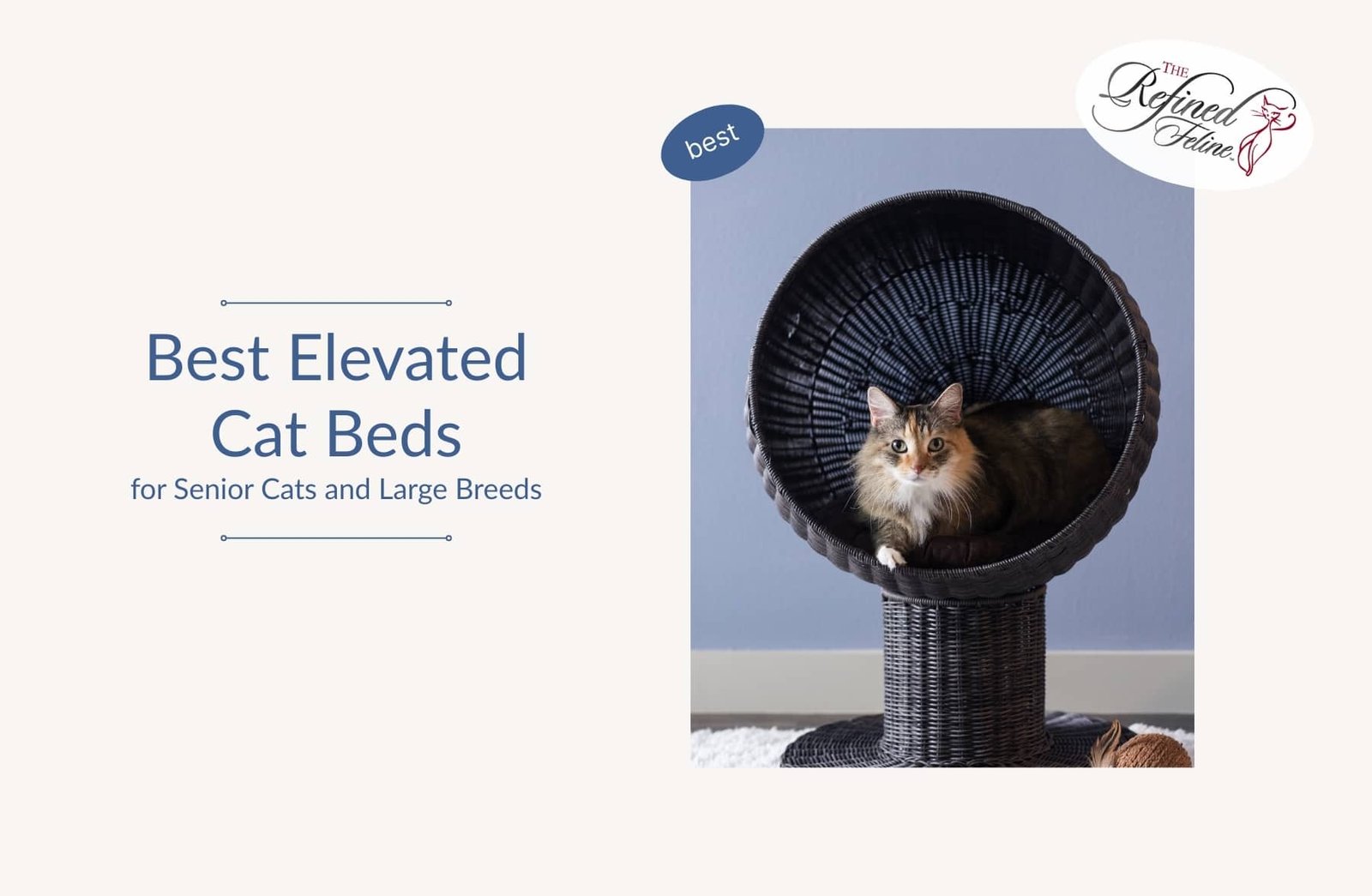
Your senior cat shifts constantly, unable to find a comfortable position. Or your Maine Coon sprawls awkwardly because standard beds are just too small. Watching your cat struggle to rest peacefully tells you something needs to change.
As cats age or reach their full size as large breeds, their needs shift dramatically. What once worked stops providing the comfort and support they need.
Why Height Matters for Your Cat’s Comfort
Cats naturally seek elevated spots. In the wild, being off the ground means safety and a better view of surroundings. Your indoor cat carries these same instincts, even though the biggest threat might be the vacuum cleaner.
Security Through Elevation
Senior cats feel more vulnerable as they age. Raised beds give them the confidence that comes from a secure vantage point. When your cat can see their environment from a comfortable height, anxiety decreases, and rest comes more easily.
Large breeds benefit from this same principle. A 20-pound cat feels more in control when resting above floor level, where they can monitor household activity without feeling exposed.
Better Air Circulation
Elevation creates airflow underneath your cat’s resting spot. During summer, heat doesn’t build up and make sleeping uncomfortable. In winter, your cat stays away from cold floor drafts that can make joints ache.
Senior cats struggle to regulate body temperature as their metabolism slows. Large breeds with thick coats can overheat quickly. Elevated designs solve both problems naturally by allowing air to move freely around your cat.
Joint Support That Actually Helps
Arthritis affects most senior cats eventually. Large breeds like Maine Coons, Ragdolls, and Norwegian Forest Cats stress their joints simply because of their size.
Quality raised options distribute weight evenly across the sleeping surface. Your cat can stretch out or curl up without pressure points causing discomfort. The structure supports their natural sleeping position instead of forcing them into uncomfortable angles.
Getting the Size Right for Large Breeds
Standard cat beds measure about 15 to 16 inches across. Your Maine Coon looks squeezed trying to fit into that space. Adult Maine Coons stretch 25 to 40 inches long, with males often exceeding 25 pounds.
Measure Your Cat
Watch where your cat sleeps now. Do they stretch out fully or curl into a ball? Measure them in their preferred position, then add at least 6 inches in each direction.
For large breeds, start looking at beds measuring 20 inches wide by 30 inches long minimum. Many cat owners discover that beds marketed for medium-sized dogs actually fit their large cats better than anything labeled “cat bed.”
Consider Shared Sleeping
Some senior cats bond closely and prefer sleeping together. Multiple large cats or a bonded pair need even more space.
Watch how your cats actually rest together before buying. Some curl tightly against each other. Others like proximity but maintain personal space. Your observations matter more than product descriptions.
Essential Features for Senior and Large Cats
Choosing the right features makes the difference between a bed your cat loves and one they ignore.
Stability You Can Trust
Wobbly furniture creates anxiety for any cat, but especially seniors with balance issues or large breeds with substantial weight. Look for weighted bases or solid construction that stays firmly in place when your cat jumps up or settles in.
Hand-woven faux rattan offers exceptional durability. Unlike real wicker that can splinter or break, quality synthetic materials withstand scratching, resist moisture, and maintain their shape under significant weight.
Easy Entry Points
Your senior cat with arthritis can’t leap like they used to. Large breeds may develop joint issues even when young.
Choose beds with one low side or a wide, gentle opening. Your cat should walk in comfortably rather than having to jump or contort themselves. Wide openings work especially well for substantial frames that need extra room to maneuver.
Simple Cleaning Solutions
Senior cats occasionally have accidents. Large breeds shed constantly. Both situations require straightforward maintenance.
Machine-washable cushion covers and surfaces you can wipe down make life easier. Removable components mean you refresh just the parts that need cleaning without replacing the entire bed.
Design Options That Work for Everyone
Modern cat furniture solves the problem of function versus aesthetics.
Dual-Purpose Pieces
Beds that double as end tables serve your cat’s need for elevation while giving you functional furniture. Your guests see an attractive piece that fits your decor. Your cat enjoys a private retreat that feels secure and comfortable.
Enclosed Versus Open Spaces
Many cats prefer enclosed sleeping areas. The cave-like feeling provides security without making them feel trapped.
Look for generous openings that allow easy movement in and out. Breathable materials prevent stuffiness. Good construction ensures proper ventilation even in dome-style designs.
Some cats prefer open spaces where they can see everything around them. Large cats, especially, may feel cramped in enclosed designs. Watch where your cat chooses to nap currently for clues about their preference.
Built-In Scratching Surfaces
Cats scratch to maintain claw health and mark territory, regardless of age or size. Furniture with integrated scratching areas channels natural behavior productively.
Sisal panels provide a satisfying texture while protecting the bed itself. Large surface areas let cats do full-body stretches that keep joints flexible and muscles toned.
Setting Up for Success
Even the perfect bed fails if you place it poorly.
Location Makes the Difference
Cats prefer quiet spots with good sight lines. Near a window allows sunbathing that appeals to all ages. Away from high-traffic areas reduces stress and enables deeper sleep.
Think about your home’s temperature patterns. Avoid placing beds directly over vents unless the design specifically accommodates controlled airflow.
Adding Vertical Options
Wall-mounted shelves and climbing platforms complement raised beds beautifully. Senior cats may not climb vigorously, but they still enjoy varied heights. Large breeds need sturdy mounting that supports their weight without wobbling.
Creating vertical territory throughout your home extends the benefits of elevation beyond just sleeping areas.
Introducing New Furniture
Cats resist change. Place the new bed in your cat’s favorite sleeping spot. Add familiar blankets that carry their scent.
Treats and gentle encouragement work better than forcing the issue. Some cats need several weeks to accept new furniture, especially seniors with established routines. Patience consistently leads to success.
Shop the Collection
Your cat deserves furniture that supports their changing needs without compromising your home’s beauty. View our complete line of elevated beds designed specifically for senior comfort and large breed requirements.
Frequently Asked Questions
How high should elevated beds be for senior cats?
Height between 6 and 12 inches works well for most aging cats. Anything higher may require ramps or steps to prevent joint strain. Large breeds often handle slightly more height due to longer legs, but seniors benefit from lower profiles regardless of size.
Can Maine Coons use standard cat beds?
Most standard options prove too small for Maine Coons and similar large breeds. Look for beds measuring at least 20 inches wide and 30 inches long. Many owners of large cats find that beds marketed for medium-sized dogs provide better sizing than products labeled for cats.
Do elevated designs help with arthritis?
Elevation reduces the distance cats need to lower themselves when lying down, which eases arthritic joints. Quality beds distribute weight evenly, reducing pressure on painful areas. Combined with other arthritis management strategies, supportive furniture improves comfort significantly.
What if my cat refuses to use the new bed?
Patience and positive reinforcement work best. Place the bed in your cat’s favorite sleeping area. Add familiar scents through used blankets or clothing. Use treats to create positive associations. Some cats need several weeks to accept new furniture, especially seniors set in their routines.
Are enclosed or open designs better for large cats?
Personal preference varies widely. Some large cats love the security of enclosed spaces when openings are sized generously. Others prefer open designs that allow stretching without spatial restrictions. Observe where your cat naturally chooses to sleep for clues about their preference.
How often should elevated beds be replaced?
Quality construction lasts for years with proper care. Replace beds when cushioning compresses permanently, frames become unstable, or materials develop odors that cleaning cannot remove. Most well-made pieces serve cats through their entire senior years with only occasional cushion replacements.
Previous Post
