

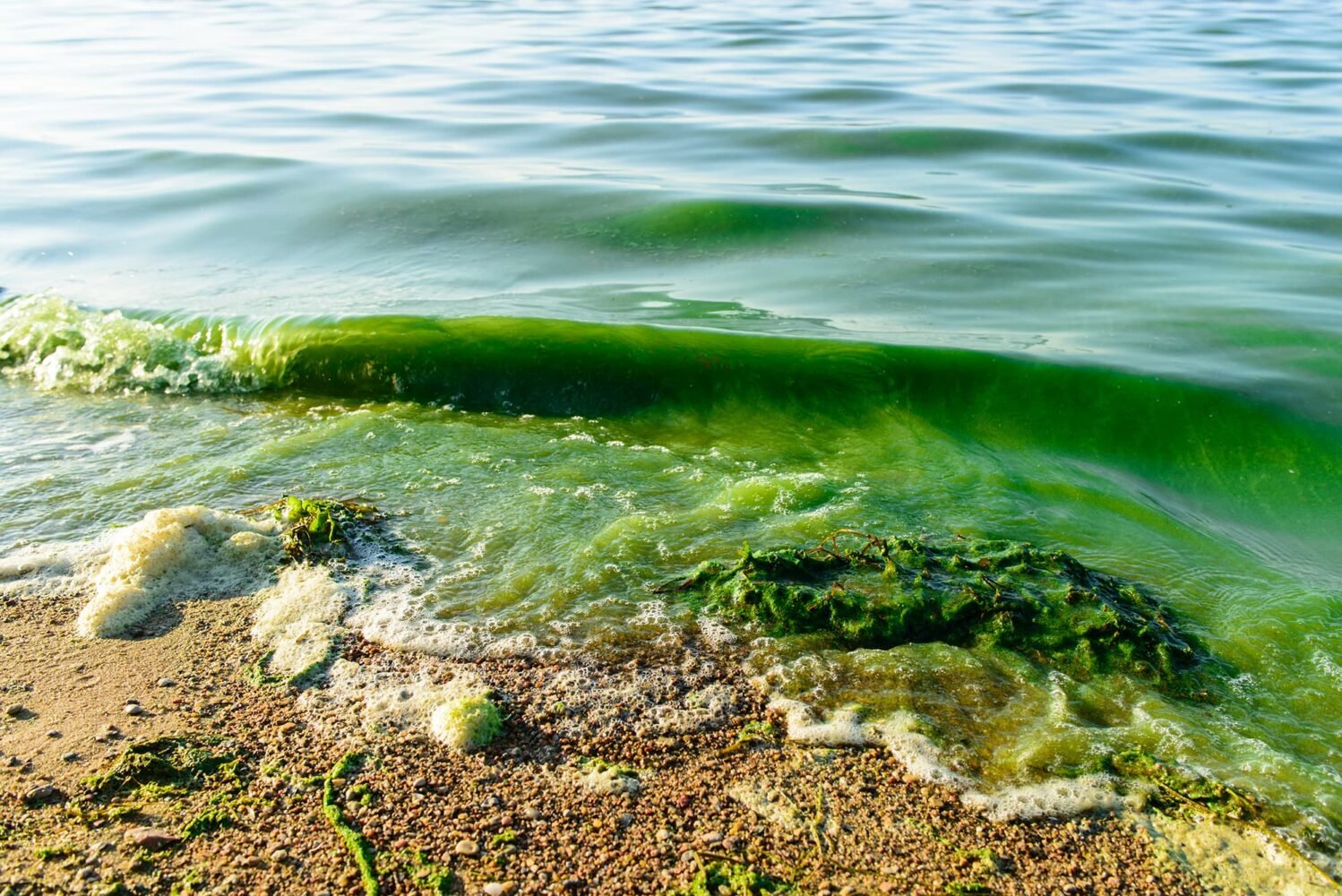
Tallahassee, Fla. — The Florida Department of Health in Leon County (DOH-Leon) has issued a health alert for the presence of harmful blue-green algae toxins in a pond at Dorothy B. Oven Park. The alert is in response to a water sample taken on January 15, 2026. The public should exercise caution in and around the pond.
Residents and visitors are advised to take the following precautions:
- Do not drink, swim, wade, use personal watercrafts, or come into contact with waters where there is a visible bloom.
- Wash your skin and clothing with soap and water if you have any contact with algae, or discolored or water that smells unpleasant.
- Keep pets and livestock away from the area to avoid any contact with water. Waters where algae blooms are present are not safe for animals. Pets and livestock should use an alternative source of water when algae blooms are present.
- Do not cook or clean dishes with water contaminated by algae blooms. Boiling the water will not eliminate toxins.
- Eating fillets from healthy fish caught in freshwater lakes experiencing blooms is safe. Rinse fish fillets with tap or bottled water, throw out the guts, and cook fish thoroughly.
- Do not eat shellfish in waters with algae blooms.
The Florida Department of Environmental Protection (DEP) and partners collect algae samples from reported bloom locations. After samples are analyzed at their laboratory, the toxin results can be viewed on the Protecting Florida Together or on DEP’s Algal Bloom Dashboard.
What is Blue-Green Algae?
Blue-green algae are a type of bacteria that is common in Florida’s freshwater environments. A bloom occurs when rapid growth of algae leads to an accumulation of individual cells that discolor water and often produce floating mats that emit unpleasant odors.
Blue-green algae blooms can also appear as scum, foam, or paint on the surface of the water in various colors. To learn more about the appearance of algae blooms, visit Protecting Florida Together.
Some environmental factors that contribute to blue-green algae blooms are sunny days, warm water temperatures, still water conditions, and excess nutrients. Blooms can appear year-round but are more frequent in summer and fall. Many types of blue-green algae can produce toxins. Blue-green algae may not always be visible as a bloom, but it can still be present in the water.
Is Blue-Green Algae Harmful?
Blue-green algae can produce toxins, which can be harmful to human and pets as well as ecosystems, including fish and other aquatic animals. Sensitive individuals (e.g., children, the elderly and those who are immunocompromised) may still be at risk even at low concentrations and should avoid any exposure.
For additional information on potential health effects of algae blooms, visit the Florida Department of Health’s harmful algae blooms webpage.
Where Can I Find Current Water Status Information?
Current information about Florida’s water quality status and public health notifications for harmful algae blooms and beach conditions is available at Protecting Florida Together.
You can subscribe to receive notifications when water quality changes in your area.
Where Can I Report Issues Related to Algae Blooms?
- Algae Blooms: DEP monitors algae blooms and collects samples for Blooms can be reported to DEP online or by calling toll-free at 1-855-305-3903.
- Human Health: Report symptoms from exposure to a harmful algae bloom or any aquatic toxin to the Florida Poison Information Center by calling 800-222-1222 to speak to a poison specialist.
- Animal Health: Contact your veterinarian if you believe your pet has become ill after consuming or having contact with blue-green algae contaminated water.
- Fish Kills: Dead, diseased, or abnormally behaving fish or wildlife should be reported to the Florida Fish and Wildlife Conservation Commission online or at 800-636-0511.
If you have other health questions or concerns about blue-green algae, please call DOH-Leon at 850-895-8360.
###
About the Florida Department of Health
The Department, nationally accredited by the Public Health Accreditation Board, works to protect, promote, and improve the health of all people in Florida through integrated state, county, and community efforts.
Follow us on X at @HealthyFla and on Facebook. For more information about the Florida Department of Health, visit FloridaHealth.gov.
