

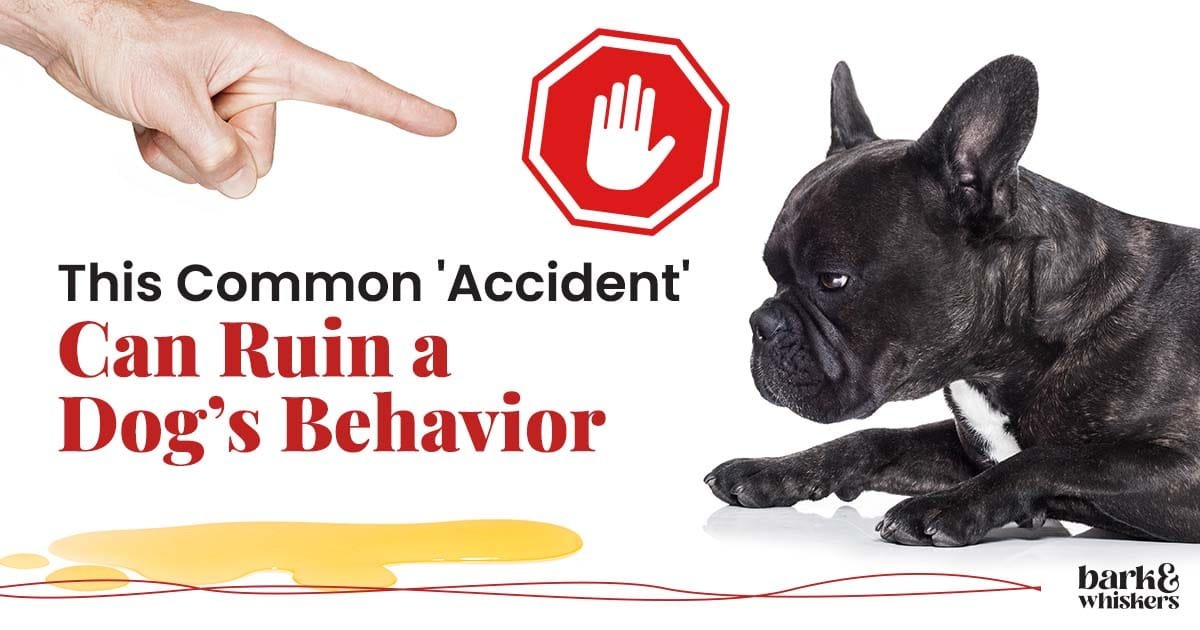
Some owners fail to realize their dog is making this unsavory ‘blunder’ for medical reasons. In fact, your dog may be just as miffed about it as you are, making punishing her a very bad relationship-destroying idea. Check out these 8 triggers of the headache and how to fix them.
STORY AT-A-GLANCE
- Urinary incontinence is the involuntary leakage of urine, not to be confused with other types of urination-related problems
- Involuntary leaking of urine is most often caused by hormone-induced incontinence after a dog is desexed, is very common in spayed female dogs and less common in neutered male dogs
- Other causes of urine dribbling include damage to the pudendal nerve; diseases of the bladder, kidney or adrenal glands; bladder stones or a urethral obstruction; birth defects, and age-related incontinence
- Treatment of urinary incontinence depends on what’s causing it; any underlying disease needs to be identified and resolved
- Treatment of hormone-induced urinary incontinence can often be accomplished using a combination of natural therapies
Editor’s Note: This article is a reprint. It was originally published February 28, 2018.
Urinary incontinence is the involuntary leakage of urine. It’s important to understand that dogs with the condition cannot control the leaking. Urinary incontinence is a very different situation from other urination-related problems like too-frequent urination or behavioral-related problems such as submissive urination.
How to Recognize Urinary Incontinence
Involuntary passage of urine typically occurs while your dog is asleep or resting. When she stands up, you notice urine leakage. It can be just a small wet spot or a good-sized puddle, depending on how much urine is being passed. Other times you might notice a problem, for example, when she jumps up on the couch and leaks a bit of urine, or she dribbles while walking through the house or as she’s running during play.
As mentioned, your pet isn’t intentionally leaking urine. She has no control over what’s happening. This is not a behavioral problem, it’s a medical problem, and so trying to correct or punish her is a very bad idea. In fact, many dogs become quite distressed to realize they are passing urine in places other than a designated potty spot.
A housetrained dog will be confused and even ashamed to know she’s leaving urine in inappropriate spots. That’s why it’s so important to treat urine dribbling as a medical problem requiring a medical diagnosis rather than a behavioral problem requiring behavior correction or worse, punishment.
8 Potential Causes of Urinary Incontinence in Dogs
- Hormone-induced urinary incontinence — Hands down, the most common reason for involuntary urine leakage in dogs is hormone-induced urinary incontinence. After a dog is spayed or neutered, the sex hormones estrogen and testosterone, which are necessary to help close the external urethral sphincter, are no longer available. This often results in urine dribbling.
Hormone-induced urinary incontinence is extremely common in spayed female dogs, and somewhat less common in neutered males. These are typically healthy, vibrant pets that just happen to dribble urine anywhere from multiple times a day to just once or twice a year.
- Age-related urinary incontinence — Older pets can develop weak pelvic floors or poor bladder tone that can result in urine dribbling. If your dog has signs of canine senility or dementia, he can also simply forget to signal you when he needs to potty outside. His bladder can overfill, and there can be leakage.
- Damage to the pudendal nerve — This is a problem of the lower back in dogs, often in older dogs with arthritis, degenerative myelopathy or joint disease, or trauma to the lower back. If the pudendal nerve, which works the neck of your pet’s bladder, is impinged, the bladder neck can remain slightly open, allowing urine leakage.
- Birth defects — Birth defects — structural abnormalities existing from birth — can cause incontinence. If your puppy has been difficult or impossible to housetrain, there could be a birth defect present. An example: the ureter — a tube that collects urine from the kidneys and passes it into the bladder — can bypass the bladder entirely and go directly to the urethra.
This plumbing problem, known as an ectopic ureter, will cause urine, as it’s produced, to dribble right out of your pet’s body. Some dog breeds have more of these types of from-birth plumbing problems than others, including Siberian Huskies, Miniature Poodles, Labrador Retrievers, Collies, Westies, Wirehaired Fox Terriers and Corgis. If your puppy is leaking urine, you should investigate the possibility of a birth defect.
- Bladder stones — A dog with a bladder stone will often strain while trying to urinate. He’ll appear to successfully empty his bladder, but when he’s back inside he’ll continue to leak urine. If you’ve noticed this behavior with your pet, you need to consider the possibility of bladder stones.
- Urethral obstruction — Obstruction of the urethra can also cause involuntary passage of urine. A tumor, for example, can obstruct urine flow and cause dribbling. So can urethral stones.
A stone in your pet’s urethra is a medical emergency. You may notice along with urine leakage that your pet is in pain, seems stressed and might even act panicked. This can be because she needs to empty her bladder and can’t. The bladder is filling up with urine and there’s no way for her to relieve the mounting pressure.
You should seek veterinary care immediately if your pet seems to have pain along with incontinence, and especially if he’s not able to pass any urine at all.
- Disease of the bladder, kidneys or adrenals, Cushing’s disease, hypothyroidism and diabetes can all cause dribbling of urine.
- Central nervous system (CNS) trauma — If your pet’s brain or spinal cord isn’t signaling correctly to the bladder, this miscommunication can cause urine dribbling.
Natural Treatment Options for Urinary Incontinence
The cause of your dog’s urinary incontinence will dictate what treatment she receives. If there’s an underlying disease process or structural abnormality causing the problem, and it can be corrected through medical management and/or surgery, that’s obviously the way to go.
If your pet is diagnosed with hormone-induced urinary incontinence, consider attempting to treat the problem naturally. Cases of hormone-induced urinary incontinence may be treated with Standard Process glandular therapy (Symplex-F for female dogs and Symplex-M for male dogs). Consult your integrative vet for guidance.
Other options include natural, biologically appropriate (non-synthetic) hormone replacement therapy, a few excellent herbal remedies such as corn silk, lemon balm, lignans and horsetail, as well as nutraceuticals specifically formulated to address urine leakage. Acupuncture can help improve function of the pudendal nerve and control or stimulate sufficient closure of the external urethral sphincter. Chiropractic care can also keep the CNS working properly, aiding in normal bladder and neurologic function.
Urinary Incontinence Treatments That Are NOT Recommended
Traditional drugs used to treat urinary incontinence, specifically DES (diethylstilbestrol), are toxic with side effects that can create more problems (e.g., diabetes and cancer) for your pet than the problem you set out to correct. Because of its overall systemic risk to health, it’s best not to use this drug.
Another commonly prescribed drug for urinary incontinence is called PPA, which is substantially safer than DES, but one of the biggest problems with these drugs is that many veterinarians put dogs on them without investigating the cause of the urine dribbling. They just assume it’s hormone-induced.
Dogs on these drugs turn out to have a disease process causing the leakage. Oftentimes, urinary crystals or bladder stones, Cushing’s disease, diabetes or kidney disease are seen in a dog being treated for hormone-induced urinary incontinence. Synthetic hormone replacement drugs can cause some of the same problems in female dogs as they do in women who take them. If your pet is dribbling urine, work with a holistic or integrative veterinarian to determine what’s causing the problem.
Dogs with incontinence that can’t be completely resolved can be fitted with dog bloomers or panties with absorbent pads. You can even use human disposable diapers and cut a hole for the tail. Just remember that urine is caustic and should not remain on your pet’s skin for long periods, so if you use diapers, be sure to change them frequently or remove them during times when your pet isn’t likely to be incontinent.
In this free guide, you’ll discover:
-
How your pet’s biology influences their nutritional needs -
Why conventional feeding advice often falls short -
Practical ways to choose better food for your dog or cat
View our Privacy Policy and Terms of Service.
