

STORY AT-A-GLANCE
- Pancreatitis is one of the most easily missed inflammatory illnesses in pets, especially in cats, where the signs can be very subtle
- The pancreas plays two essential roles: producing the digestive enzymes that break down food and making hormones like insulin that regulate blood sugar — when it becomes inflamed, those enzymes can leak and cause the pancreas to digest itself
- Common triggers include high-fat foods, obesity, trauma, certain infections, inflammatory bowel disease, liver disease, some medications, and underlying conditions like diabetes or cancer
- Fasting a cat through pancreatitis can backfire badly, as cats who skip meals are at risk of developing hepatic lipidosis (fatty liver disease) never stop feeding your cat without your vet’s direct guidance
- Diet does the heaviest lifting in recovery and prevention: low-fat foods (under 10% fat), small frequent meals spread across the day, and highly digestible ingredients reduce the demand on an inflamed pancreas and help keep flare-ups from coming back
Your cat is acting a little off. She did not finish breakfast. She is sleeping more than usual or hiding under the bed. There is no big drama — no obvious limping, no scary cough. Just a quiet shift you might not even notice for a few days. You tell yourself it is nothing.
But sometimes it is not just nothing but is one of the most common and easily missed inflammatory illnesses in cats: pancreatitis. The signs can be so subtle that even the most loving and attentive pet parents do not catch them right away. And by the time the picture becomes obvious, your pet has often been quietly uncomfortable for a while.
What the Pancreas Actually Does
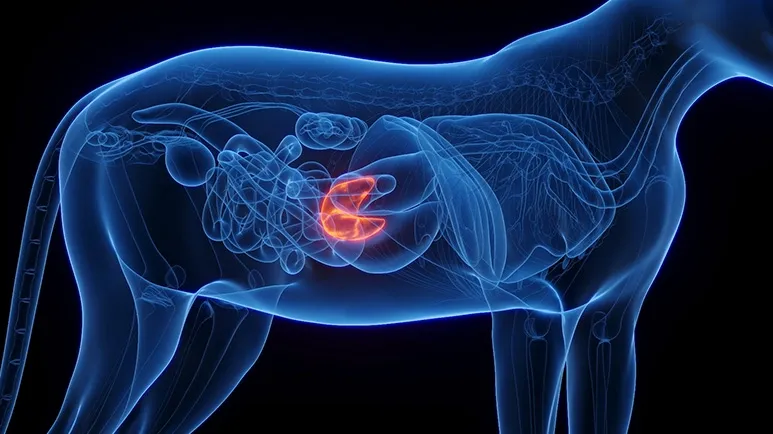
The pancreas is a small, leaf-shaped gland that sits next to the stomach and has a small intestine. It does two big jobs: It makes digestive enzymes that break down food after it leaves the stomach and it produces hormones — most famously insulin — that help control blood sugar.1,2
When the pancreas gets inflamed, those digestive enzymes can start to leak in places they should not. The result is something like the pancreas digesting itself — uncomfortable, painful, and sometimes profoundly serious. That is called pancreatitis.
Pancreatitis can be acute or chronic — Some pets have one acute episode and never have another. Others fall into a frustrating cycle of flare-ups, recoveries, and more flare-ups; developing chronic pancreatitis.3,4
The Signs Are Easy to Miss (Especially in Cats)
This is where pancreatitis really earns its reputation as a sneaky condition. In dogs the symptoms can be obvious. They may vomit, have diarrhea, run a fever, refuse food, or stretch out in what vets call the “prayer posture” — front legs down, rear end up — because their belly hurts.5
Cats, on the other hand, are masters at hiding pain. Their version of pancreatitis often shows up as little more than:
- A drop in appetite or skipping a meal here and there
- More sleeping or hiding than usual
- Looking tired or “just not themselves”
- Mild dehydration
- Occasional vomiting
- Withdrawing from family activity
- A body temperature that runs slightly low
Notice what is missing? The flashing-red emergency signs. No howling, no obvious belly pain, no dramatic tells. That is why pancreatitis in cats can quietly drag on for days or even weeks before anyone realizes something is wrong.
In severe cases, pets can become unsteady on their feet, lose noticeable weight, or develop dangerous complications like dehydration or bleeding issues. If your cat or dog has gone more than a day without eating much or just seems “off” for several days in a row, it is worth a vet visit. Catching pancreatitis early gives you a lot more options.6,7
What Causes It
In many pets, especially cats, the honest answer is nobody knows. Many cases of pancreatitis are idiopathic, meaning the exact cause cannot be determined.8 That said, there are several known triggers that show up again:9,10,11
- High-fat foods — the holiday turkey skin, the leftover bacon, the dollop of butter, the “just one bite” of fatty food
- Obesity
- Trauma, including the aftermath of surgery
- Certain infections, including some parasites
- Inflammatory bowel disease (IBD)
- Liver disease
- Some medications and toxins
- Diabetes
- Certain types of cancer
One important note for cat parents: Cats with IBD and those with liver disease have a higher risk of pancreatitis. These conditions can show up together due to the proximity of the pancreas, liver, and small intestine, and is called “triaditis” when all three are inflamed at the same time. This is one more reason that vague, ongoing changes in your cat deserve a closer look.12
How Vets Figure It Out
Diagnosing pancreatitis can be tricky because the symptoms overlap with so many other things. Your vet will usually start with a hands-on exam, ask about changes in appetite and if there is any vomiting as well as litter box habits; then run blood work that includes specific pancreatitis tests. An abdominal ultrasound can also show changes in the size and shape of the pancreas, plus any fluid building up around it.13
None of these tests are perfect on their own, which is why vets often piece together the diagnosis from a combination of clinical signs, lab work, and imaging.
How It’s Treated
Treatment usually centers on supportive care. Fluid therapy is common, often given under the skin (subcutaneous) or by IV, along with pain medication and anti-nausea meds. Some cases of pancreatitis can be treated as outpatient; which means that your cat will receive treatment and can go home with you, while other more severe cases may require a hospital stay and intravenous fluids; especially if your cat is not eating.
One myth worth busting: People are sometimes advised to “fast” their pets to give the pancreas a break — this is fine for dogs. However, in cats, this can lead to a dangerous liver condition called hepatic lipidosis, also known as fatty liver disease. So, do not stop feeding your cat without your vet’s direct guidance.14
Many integrative vets pair conventional care with supportive therapies that may help calm inflammation and ease recovery. These often include digestive enzymes to help break down food and lessen the work of the pancreas and low-fat fresh food diets. Other recommended supplements may include cbd oil for pain and inflammation, probiotics, omega-3 fish oils, vitamin b12 and antioxidants like vitamin E or milk thistle. There are also specific herbal formulas used to treat pancreatitis. Your holistic vet can also help your pet heal with acupuncture treatment as well as laser therapy to treat pain and inflammation. Always consult with your holistic vet before adding supplements.15,16
The Diet Piece Matters Most
If there is one thing every vet agrees on for pancreatitis, it is that diet plays a huge role — both in helping your pet recover and in keeping flares from coming back. The three big rules of pancreatitis-friendly feeding are:
- Low fat — Fat is the main trigger for pancreatic enzyme release, so foods under 10% fat are the goal. There are many fresh or raw food diets that fit this profile, although your vet may also recommend a prescription diet.
- Small, frequent meals — Four or more smaller portions across the day put far less demand on the pancreas than one or two big meals.
- Highly digestible — Lean proteins such as chicken or turkey and easily digestible carbohydrates such as rice or pumpkin along with a fiber source and omega threes are usually recommended for cats.
Some pet parents work with their vets on home-cooked options for their cat, but homemade diets need supplements to stay balanced for long term use. For cats specifically, remember they are obligate carnivores, so meat-based, moisture-rich foods are better than dry kibble heavy on grains and starches.17,18
Hydration is part of the diet picture, too. Add a splash of water or low-sodium broth to meals, set out fresh water in multiple spots around the house, and consider a pet water fountain — many cats prefer moving water.19
Keeping Flare-Ups from Coming Back
Once a pet’s pancreatitis has been treated, there is still a possibility for it to come back. The good news is that with a few habits in place, you can keep the next flare-up at bay:
- Stick to a low-fat diet long-term — Refrain from feeding high fat snacks such as bacon, cheese or chicken skin.
- Keep your pet at a healthy weight — Extra pounds raise the risk.
- Reduce stress — Cats especially benefit from a quiet routine, predictable feeding times, and a cozy resting spot away from busy household areas.
In addition, always keep a careful eye on them and call your vet right away if you notice anything amiss. Keeping up with regular check-ups and bloodwork helps you determine underlying problems before they worsen.
The Bottom Line
Pancreatitis is one of the most common — and most overlooked — illnesses in pets. It hides in plain sight, especially in cats, where the signs may amount to little more than “he’s just not himself this week.” But behind those minor changes is a real, treatable condition that gets better with the right care.
If your cat seems off for more than a day or two, do not just wait for it out. A quick vet visit can rule out pancreatitis or catch it early when treatment is easier and recovery is faster. Trust your gut. You know your pet is better than anyone — and noticing the quiet changes is one of the kindest things you can do for them.
- 1,5,11,15,17 Bhatt Integrative Veterinary Specialty, August 9, 2025
- 2,4,7,10,13,14,18 Purrfectly Holistic, November 19, 2017
- 3,6,8,9,12,16,19 Animal Wellness Magazine, April 29, 2026
In this free guide, you’ll discover:
-
How your pet’s biology influences their nutritional needs -
Why conventional feeding advice often falls short -
Practical ways to choose better food for your dog or cat
View our Privacy Policy and Terms of Service.
