

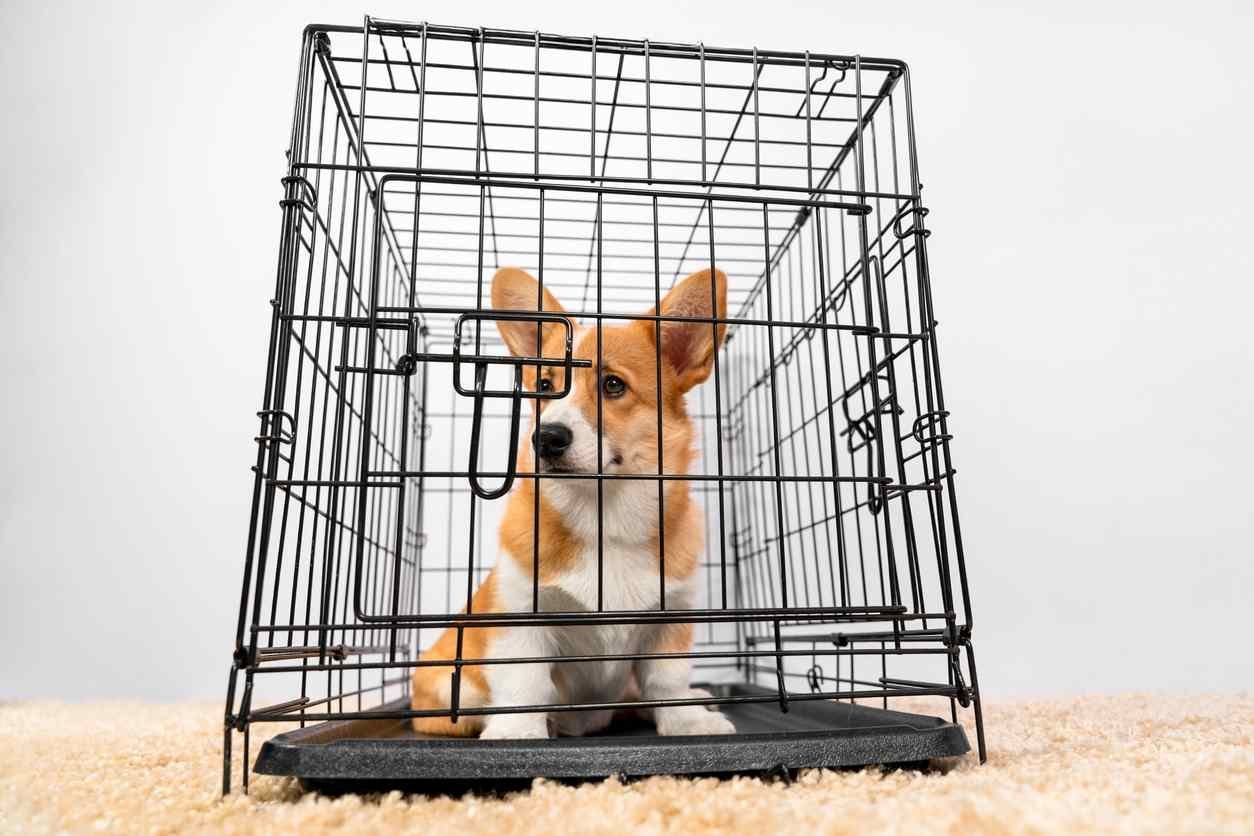
Crate training a puppy can be daunting; it takes patience and time. But in the long term, it will be much easier to leave the home, knowing that your puppy can be relaxed and not able to get up to mischief while you are away. In this blog, we will discuss why crate training is important by discussing the main perks of crate training.
It’s a cozy place to sleep without distractions
Puppies need plenty of rest. And just like toddlers, it can be hard for them to nap with distractions around. Fortunately, a crate can provide your puppy with a comfortable and safe place to rest. You can set up the crate in a quiet and dark area that is away from noise.
It gives you some peace of mind while you aren’t able to supervise your puppy
Does your puppy get into mischief when you leave them at home alone, in another room, or when you are distracted? Maybe your puppy sees you walking into the kitchen as an opportunity to chew up the carpet, gnaw at your pillows, or go potty in the corner? Fortunately, we can better manage a puppy’s environment through crate training.
Instead of worrying about what your puppy might be getting into, you can have peace of mind knowing they’re safe, secure, and not getting into anything mischievous. A crate trained puppy will also learn to be comfortable in the crate while you are away from home, which helps them relax and be learn to be more independent.
Crate training helps with potty training
When you can’t watch your puppy during the day or overnight, we recommend using a crate. Crate training encourages better housebreaking habits, since you can schedule their potty breaks, and no puppy wants to go potty where they sleep and eat. A puppy that is contained and monitored will also not have the opportunity to go potty in the house.
Of course, puppies still need regular potty breaks and should never be left in a crate for too long. Keeping your puppy on a regular food and water schedule will make crate training more effective with housebreaking a puppy. Since puppies usually need to go potty shortly after eating or drinking, a consistent routine helps to encourage your puppy to go potty outside.
It helps with veterinary visits and when traveling
Does your puppy feel uncomfortable when boarding overnight, or stressed during vet visits? A crate-trained puppy is often more comfortable in a carrier and can relax better during boarding. Because they are already comfortable relaxing in their own safe space, they may handle separation from you with less stress and more confidence.
We are here to help
Would you like help crate training your puppy, teaching high-level obedience and manners? or to discuss any behavioral concerns that you may have? You can contact our pet behavior specialists for a free consultation to discuss your training goals and any questions you may have.
We use scientifically proven training methods, backed by over 20 years of hands-on experience. At Beyond the Dog, we apply science-based training methods, including reward-based training and behavior modification, to support your dog’s behavioral wellness. Beyond the Dog is led by our co-founders, Dr. Echterling-Savage, a Certified Applied Animal Behaviorist (CAAB) and Board Certified Behavior Analyst (BCBA), and Sean Savage, a Certified Dog Behavior Consultant (CDBC) and Certified Professional Dog Trainer-Knowledge Assessed (CPDT-KA).
