

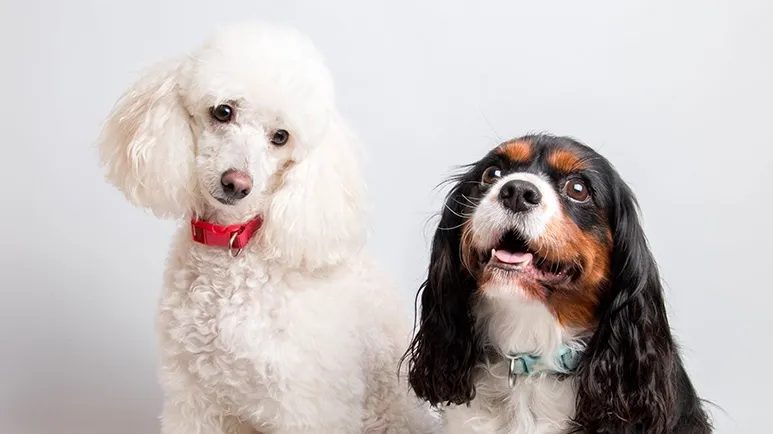
Bringing home a second dog isn’t a decision to be taken lightly. To avoid heartbreak and disappointment later if it doesn’t work out (on all parties), don’t skimp on the homework. Make sure everyone is comfortable and can answer yes to all five of these questions.
STORY AT-A-GLANCE
- The decision to bring a second dog into the family can’t be taken lightly
- It’s important to anticipate how your current pet will respond to a new dog, as well as the type of dog that would get along best with him
- Properly setting the stage for the first meeting between the dogs is crucially important, as is arranging to spend several days at home to help both dogs adjust
- It’s also important to take steps to make sure your current dog doesn’t feel ignored or replaced
- Additional considerations when getting a second dog are increased pet care expenses and the extra time, effort, and energy required to care for two dogs versus one
Editor’s Note: This article is a reprint. It was originally published March 28, 2018.
If you’re a dog parent who’s considering adding a second pooch to your pack, there’s a lot to think about, including whether you may live to regret it! Some people have a very positive experience bringing another dog into the family, while others, especially pet owners whose dogs don’t get along, wish they’d left well enough alone.
The success of a two-dog arrangement depends on several factors, including the personalities of both dogs and the humans in the household, how much time and effort are spent integrating the new dog into the family, and how well dog-to-dog aggression (if it exists) is managed.
Obviously, deciding whether to get a second dog is not a decision to be made lightly. If things don’t go well, you can rehome the new arrival, but this will be hard on everyone involved — especially the dog. It’s best to spend plenty of time arriving at the right decision for your family, your current dog, and the new pet.
5 Questions to Ask Yourself Before Bringing Home a Second Dog
Adding another dog may sound exciting, but long-term success depends on more than good intentions. These questions can help you evaluate the decision wisely.
- Does my current dog show friendly interest in other dogs? If your dog clearly enjoys being around other dogs, you’re way ahead of the game. Conversely, if he seems fearful of other dogs, or growls or lunges at them, it could be a problem. There are also pups who are so bonded with their humans that they have no real interest in other dogs and tend to develop major jealousy issues when forced to share their owner’s attention and affection.
A wise piece of advice is to proceed very cautiously if you suspect or know your existing pet will not be thrilled sharing his life with another dog. It may be best to allow him to keep his “only child” status in the family.
- What type of dog would get along best with my current pet? Opposite sex dogs do better together. In the case of two males, the dominant dog will become more dominant than he would have been on his own, and the submissive dog may become much more so. Since the dogs are living in your home rather than in the wild, they’re stuck with this arrangement, and it can be very stressful.
Two female dogs thrust together often cannot establish a stable pack order. And believe it or not, females are more likely to fight to the death than males are.
Same-sex dogs living under the same roof can be a particular problem if one of them is a terrier, or even a terrier mix, according to terrier experts. Normally, a dog will stop attacking when the other dog yields, but terriers have a trait called gameness that may cause them to continue to attack even after the other dog surrenders.
You can consider a dog of the same breed, but opposite gender, as your current dog. You can also consider a different breed and gender. Often, larger males and smaller females work well together in the same household.
Generally speaking, males are inhibited against aggression toward females, and larger dogs are inhibited against aggression toward smaller ones. That said, if there’s a tremendous size disparity between the two dogs, you’ll need to take precautions to prevent the bigger dog from accidentally injuring the smaller dog.
- What’s the best way to introduce my existing dog and a new dog? Arrange for the dogs to meet one-on-one (group meetings can be overwhelming, which is why some dogs don’t do well at dog parks). Introduce them on neutral ground rather than in either dog’s home territory. Make sure the first meeting is outside, so they can urinate and do the sniffing thing to get familiar with each other.
Also, ensure the first meeting takes place where both dogs have room to move around freely, preferably off-leash unless you’re concerned one (or both) dogs might become aggressive. Introductions on-leash and in confined spaces can be stressful. Keep the first introduction short, and don’t add treats or toys to the mix. The dogs will be stimulated enough without those things, and if your pup gets possessive, it can quickly become a problem.
Remain calm. Your dog will sense your emotions and respond in kind. If you’re nervous, stressed, or overly excited, chances are he will be, too. Also, avoid hovering over him. It’s fine to stay close enough to intervene if something goes wrong, but hovering will only increase your pet’s stress. Give the dogs some space to check each other out.
- Can I arrange to take a few days off from work to help both dogs adjust? The first week your new dog spends in your home is a crucial time of building new relationships — between the new dog and human family members, and between the dogs. Take at least a few days off work, and ideally about a week, so you can stay home and focus on smoothing the way for everyone in the household.
This will give you the time you need to successfully introduce dog No. 2 into your daily routine, which will help her feel secure. It will also allow the dogs to gradually get to know each other under your watchful eye. If your new dog has been rescued from a shelter, keep in mind that the transition may take more time. Use A Sound Beginning to help in your rescue’s adjustment to her new home.
Take care not to force any new introductions if your current dog isn’t ready; allow him to get to know his new housemate at his own pace. Senior dogs may also need additional time and attention when adjusting to a new pet in your home.
- How can I ensure my current dog doesn’t feel he’s being replaced? Getting a new dog acclimated to your home takes considerable time and energy. So, while you’re busy falling in love with your new pet, make sure not to ignore your existing dog. You never want him to feel abandoned or second best, so make sure the newcomer isn’t sucking up every bit of your time and attention.
Start by focusing on your long-time companion, as it helps create a positive pack order and sets a warm, supportive tone for everyone. It’s a good idea to get other family members involved so that both dogs get plenty of attention, affection, exercise, and playtime.
Additional Considerations
Adding a second dog to your family can more than double your pet care expenses and the work involved in caring for your four-legged companions. If one dog acquires a contagious disease, the other can also catch it. The dogs can injure each other in fights or simply during play. Keeping two dogs separated for medical or behavioral reasons can present its own set of challenges.
Travel is much easier with one dog than with two. And not only is boarding two dogs more expensive, but bringing your pet along on trips tends to benefit his socialization and behavior. If you typically take your dog on trips but don’t think you can manage with two dogs, keep in mind that leaving your current dog behind will put him at a serious disadvantage.
It’s important to consider all angles and gather as much information as you can before deciding whether to add a second dog to the family. It can mean a huge change in daily life. With sufficient resources of time, energy, money, and physical facilities, two dogs can be a great arrangement. If possible, a trial period with the new dog is ideal. Only you can decide.
In this free guide, you’ll discover:
-
How your pet’s biology influences their nutritional needs -
Why conventional feeding advice often falls short -
Practical ways to choose better food for your dog or cat
View our Privacy Policy and Terms of Service.
