

STORY AT-A-GLANCE
- Copper is an essential mineral your dog needs in tiny amounts to support red blood cell production, iron balance, and immune function, but excess levels can be harmful
- Copper storage disease is a condition that occurs when the liver cannot process and remove extra copper properly, allowing it to accumulate over time and gradually injure delicate liver tissue
- Certain breeds are more likely to develop this condition due to genetic predisposition. Other factors include diet and liver stress
- The warning signs can be subtle, like lower energy and less interest in food, and often overlap with other common conditions, which can make the disease harder to recognize early
- With the right testing, treatment plan, and long-term care, many dogs can still do well, which makes early awareness one of the most helpful tools pet parents have
When we think of copper, most of us picture old pennies, pipes, and the insides of electrical wires. It is not something you would expect to be quietly at work inside your dog’s body. Yet copper is an essential nutrient for both people and pets, supporting a range of everyday functions that keep you and your furry friend healthy. The more you know about how copper works in your dog’s body, the easier it is to spot when something is off — and to feel confident talking to your vet about it.
What Happens When Dogs Store Too Much Copper?
Copper is an essential trace mineral, meaning your pet only needs it in small amounts to stay healthy. It plays a role in building strong connective tissue, keeping the nervous system healthy, balancing iron levels, and even maintaining the color of your pet’s coat. When it comes to copper, there is a fine line between too little and too much. End of the spectrum can cause issues with your pet’s health.
If copper levels are too low, it can lead to issues like anemia, a dull coat, or weaker bones. This may occur occurs when higher than normal levels of other minerals make it harder for the body to absorb copper.1 However, when copper levels are too high, they can cause even more of a problem. Once copper is absorbed from food, it travels to the liver, where it is processed, stored, and eliminated as needed. Think of your dog’s liver like a water filter — it catches copper and flushes the extra out. Problems begin when that system breaks down.
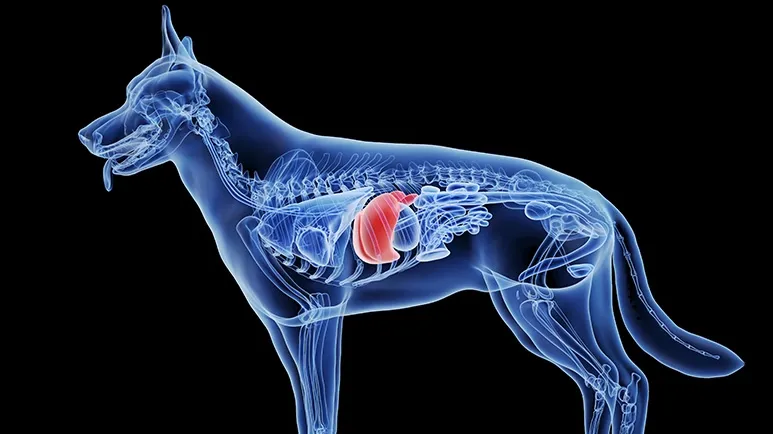
Copper storage disease, also called copper-associated hepatopathy, is a condition where the liver cannot clear excess copper properly. Instead of being excreted, the copper, it builds up inside liver cells. Over time, this buildup can trigger inflammation, which can gradually damage liver tissue.2
Copper storage disease is more commonly seen in dogs than in cats, but humans can develop a similar condition as well. In dogs, it’s most commonly due to genetics — which means inherited genes that abnormally affect how copper is metabolized.3 Diet or ongoing liver strain may also contribute to the development of this disease.
According to the Veterinary Information Network (VIN), copper storage disease is usually diagnosed in dogs around 7 years old, though it can present earlier or later. Breeds believed to be at higher risk include:4
- Bedlington terrier
- West Highland white terrier
- Skye terrier
- Doberman pinscher
- Labrador retriever
- Keeshond
- American cocker spaniel
If your dog is one of these breeds, it is worth discussing copper storage disease at your next vet visit and getting your pet’s liver levels checked with a blood test, even if your pup seems perfectly healthy.5
Where Your Dog May Be Getting Too Much Copper
Organ meats like liver are packed with nutrition, but they are also naturally high in copper, so frequent or heavy feeding may not be ideal for every dog. Liver treats are just one piece of the puzzle, though. There are a few other places copper can sneak into your pup’s day. Understanding these sources helps you make informed choices for your pet.6
- Commercial dog food — Commercial diets are the primary source of dietary copper for most dogs. Some formulas, however, contain higher or more easily absorbed forms of copper, which may contribute to buildup in dogs.
- Supplements — Chews and vitamin or mineral supplements can add extra copper on top of what your dog is already getting from their regular diet. This is why it is important to work with your veterinarian before adding supplements into your pet’s routine.
- Water and environmental sources — Copper pipes in older homes can leach tiny amounts of copper into drinking water, particularly if the water is acidic. In addition, dogs may ingest trace amounts from soil, fertilizers, or by chewing on treated materials.
Now here is the part you need to pay attention to what it looks like when copper starts causing trouble.
Signs Your Pup May Have Copper Storage Disease
Here’s the tricky part: Copper can build up in your dog’s liver for months or years without any obvious signs. As copper levels climb, though, the signs get harder to miss and you may notice the following:7,8
- Lethargy
- Decreased appetite
- Weight loss
- Vomiting
- Diarrhea
- Drinking and peeing more than usual
- Yellowish tint in the eyes or skin (jaundice)
- Pale gums
- Swollen belly from fluid buildup
Because these signs overlap with many common health issues, copper storage disease is not always the first thing anyone suspects. If your dog develops ongoing or unexplained symptoms like the ones listed above, especially if they are a higher-risk breed, it is always worth a conversation with your veterinarian.
What to Expect at the Vet
Your veterinarian will start by reviewing your dog’s health history, including what symptoms they are having, when the symptoms began, and any risk factors, such as if your dog belongs to a breed that is more prone to copper-related liver problems.9
The first round of testing often includes basic bloodwork. These tests can show whether the liver is under strain and help rule out other potential causes of your dog’s symptoms. In some cases, your vet may also recommend additional tests, such as a urinalysis, to get a more complete picture of how your dog’s body is functioning.
Blood tests can point to a problem with your pet’s liver, but they alone cannot confirm copper storage disease. To know for sure, veterinarians usually need a liver biopsy, which involves collecting a small sample of liver tissue to assess it for copper storage disease.
A biopsy can sound scary, but the procedure is often quick, performed under sedation, and most dogs recover well. It gives your vet the clearest answers and confirms the diagnosis, making it possible to build a treatment plan tailored to your dog’s needs.
Supporting Your Pet’s Liver Health Over Time
Dogs with copper storage disease usually need long-term care to lower copper levels and keep them from building up again. While this is not a condition that simply goes away, many dogs can still live comfortably when the right plan is in place. Treatment often includes a mix of medication, diet changes, and regular follow-up with your veterinarian.10
- Removing extra copper from the liver — Vets often prescribe a medicine called D-penicillamine, a chelation drug that binds to copper so the body can flush it out through urine. It may take several months or longer to remove the accumulated copper from the liver.
- Changing to a lower-copper diet — Adjusting your dog’s diet helps reduce the amount of new copper they consume while still meeting their nutritional needs. This may include avoiding copper-rich foods such as organ meats and mushrooms, and any other food they are consuming that contains elevated levels of copper. In some cases, veterinarians may recommend a specially formulated diet designed to reduce copper intake.
- Using zinc when needed — In some cases, vets may recommend zinc as part of the treatment plan. Zinc can help block some copper from being absorbed and may be used for long-term maintenance.
- Supporting liver health — Some dogs may also benefit from added liver support, depending on how much damage has already occurred. Your vet may recommend liver supplements, such as S-adenosyl methionine (SAMe) and milk thistle, to assist in healing their liver. If you collaborate with your holistic vet, there are also specific herbal remedies and other modalities such as acupuncture which can help your pet’s liver function.
- Keeping up with long-term monitoring — Monitoring liver function through your pet’s bloodwork will be done often at first. This allows your vet to monitor your pup’s liver enzymes, copper levels, and adjust their treatment plan as needed. As your dog’s condition stabilizes, these visits can usually be spaced farther apart.
Finding the Copper ‘Lining’
Copper storage disease can sound scary at first, especially because the signs are often easy to miss, which is why awareness matters. Understanding the condition, knowing the risks, and recognizing warning signs early play a role in getting timely care for your dog. With the right veterinary guidance and consistent care and follow-ups, this condition can be managed successfully, and your furry best friend can continue to live a full and comfortable life.
- 1,6,7 Animal Wellness, Copper levels in dogs
- 2,8,9,10 PetMD, March 20, 2024
- 3 Schwarzman Animal Medical Center, August 30, 2023
- 4,5 Veterinary Partner, October 21, 2020
In this free guide, you’ll discover:
-
How your pet’s biology influences their nutritional needs -
Why conventional feeding advice often falls short -
Practical ways to choose better food for your dog or cat
View our Privacy Policy and Terms of Service.
